
A major legal and economic drama is unfolding in Washington after a federal trade court ordered the U.S. government to begin refunding billions of dollars collected under tariffs imposed by Donald Trump.
The ruling came from the United States Court of International Trade, where Judge Richard Eaton instructed federal authorities to start processing refunds for duties that had been collected under emergency powers legislation.
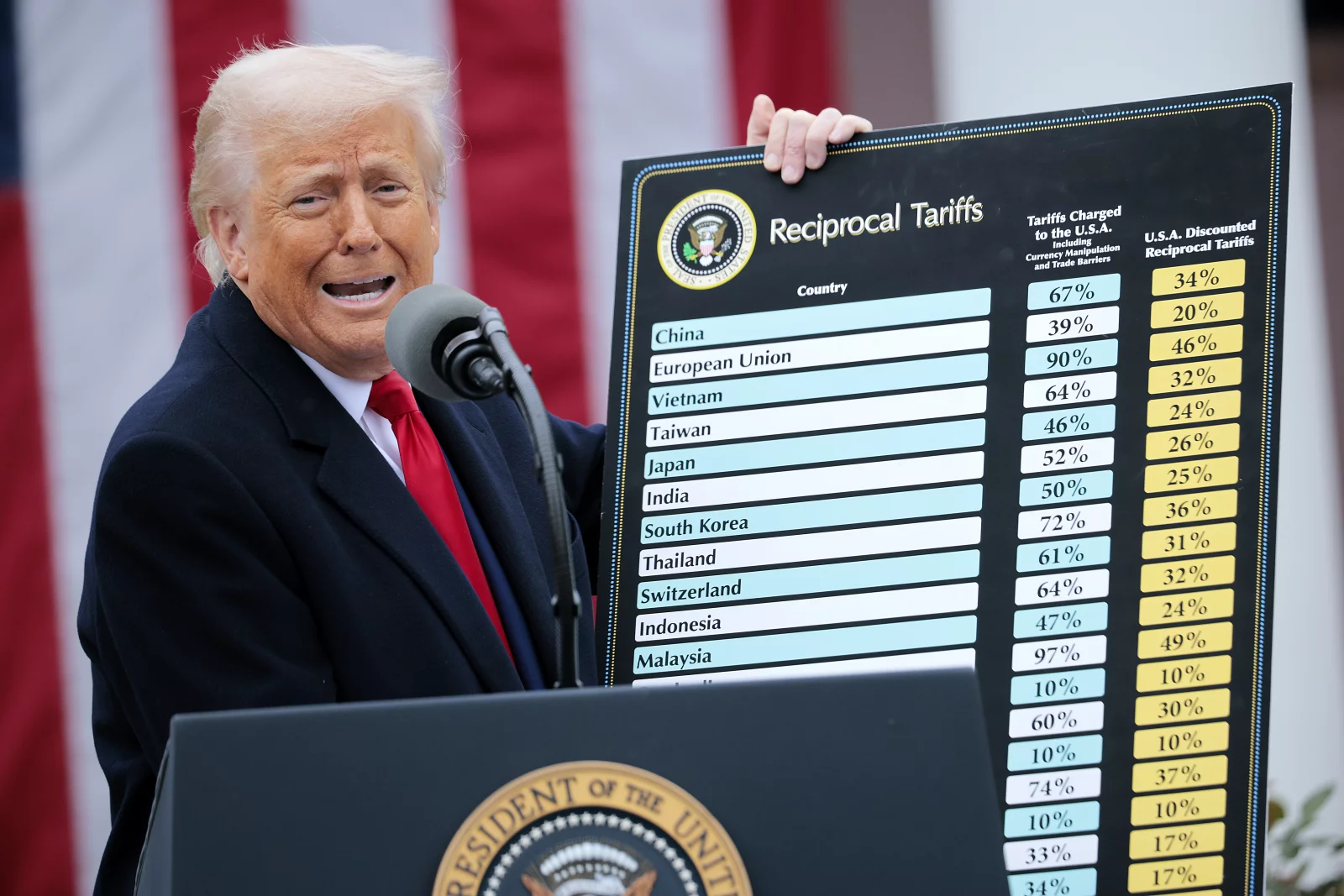
The tariffs in question were introduced under the International Emergency Economic Powers Act (IEEPA), a law normally used to impose sanctions during national emergencies. The administration argued the measure was necessary to confront economic threats and trade imbalances.
Be that as it may, the U.S. Supreme Court ruled earlier this year that IEEPA does not grant a president authority to impose broad import tariffs, declaring the policy unlawful and reaffirming that the power to levy taxes rests with Congress.
The financial implications are enormous. By late last year the U.S. government had collected more than US$130 billion in tariffs, and legal analysts say the eventual repayment could rise as high as US$175 billion once interest is included.
Judge Eaton has now directed U.S. Customs and Border Protection to begin recalculating import duties and issuing refunds to companies that paid the tariffs. The order affects hundreds of thousands of importers ranging from large corporations to smaller businesses that had challenged the duties in court.
The process is expected to be administratively complex. Officials say it could require reviewing tens of millions of import records, and further litigation may still follow.
For global trade watchers the case is significant. It represents one of the most consequential judicial checks on executive trade policy in modern American history.