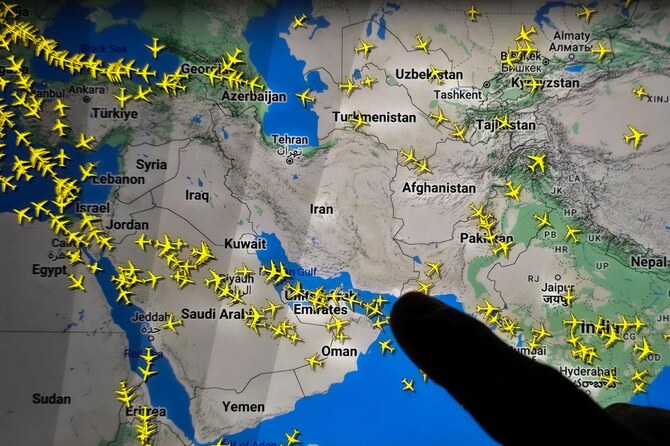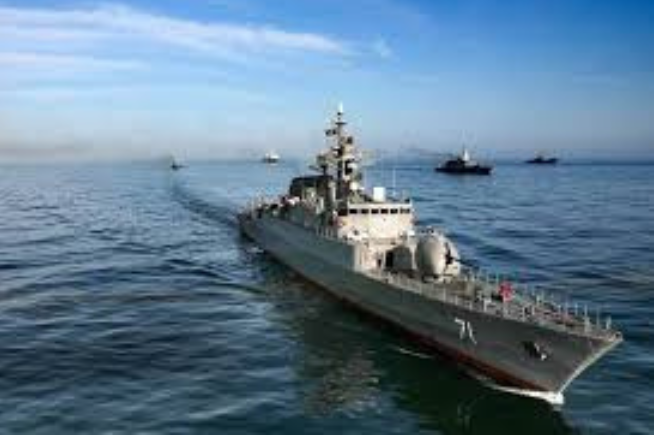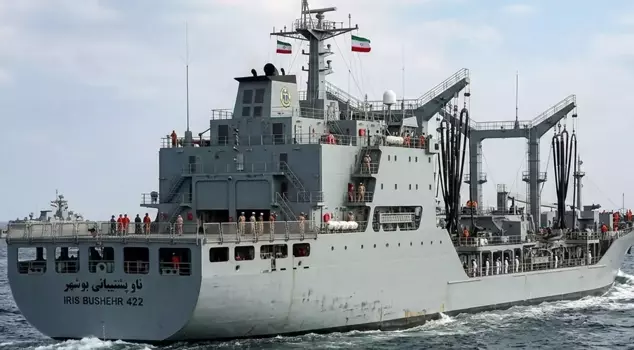

As tensions escalate in the Gulf, Sri Lanka’s economists are watching one number above all others: the price of oil.
The island imports nearly all its fuel, meaning every rise in global crude prices feeds directly into the country’s fragile economic recovery.
Shipping insurance has already risen across parts of the Gulf while traders nervously track developments around the Strait of Hormuz, the narrow corridor through which much of the world’s oil flows.
Be that as it may, Sri Lanka’s vulnerability lies not only in energy imports but also in remittances.
Hundreds of thousands of Sri Lankans work across the Gulf region, sending billions of dollars home each year. Any instability affecting those economies would reverberate quickly across the island.
For policymakers the equation is clear.
Rising oil prices mean higher fuel costs, pressure on foreign exchange reserves and potential inflationary strain.
The global crisis may appear distant on a map.
But on Sri Lanka’s balance sheet it is very close indeed.