
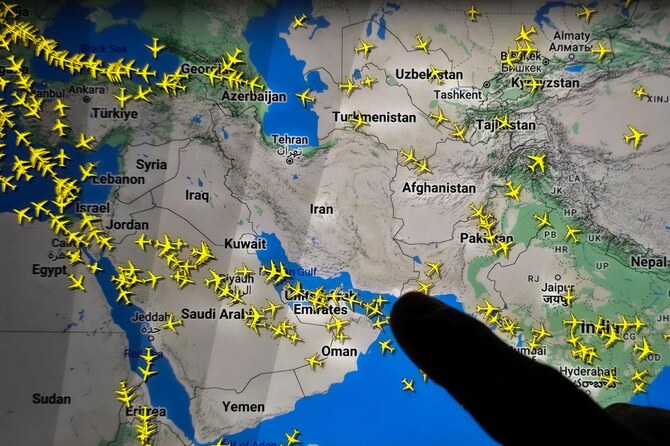
The Middle East crisis has begun to ripple through aviation networks, and Sri Lanka’s airlines are watching developments closely.
Flights connecting Colombo with Gulf cities form one of the busiest corridors in Sri Lankan aviation. Workers travelling to jobs, families visiting relatives and cargo shipments all depend on those routes.
Airlines are reviewing flight paths and schedules as airspace security concerns ripple across the region.
Be that as it may, aviation authorities insist operations remain stable for now.
The concern is not immediate shutdown but the possibility of disruption if the conflict widens.
Sri Lanka’s connectivity with the Gulf is not merely about tourism. It is about labour migration, trade and the flow of remittances that support thousands of households.
When global tensions reach the skies, the consequences can travel far beyond the battlefield.
LONDON FLIGHT — A SMALL STORY WITH BIG SIGNALS
Amid the weighty headlines of war and geopolitics, a smaller story has quietly drawn attention.
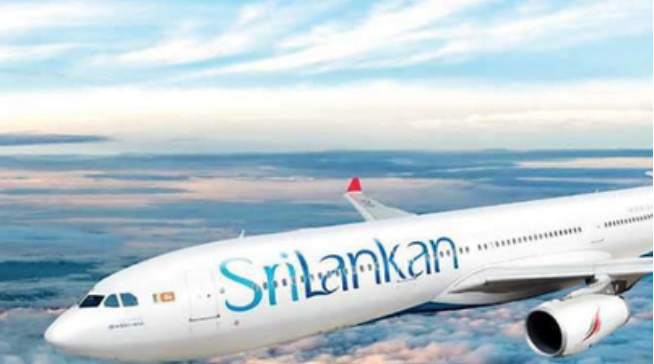
SriLankan Airlines has scheduled an additional Colombo–London flight, reflecting strong travel demand between the island and the United Kingdom.
Be that as it may, the story carries broader meaning.
Travel links between Sri Lanka and its diaspora remain one of the country’s most resilient connections.
Every additional flight reflects business travel, tourism, family visits and the enduring ties between the island and its global community.
In difficult times such links matter.
They remind the country that while geopolitics may dominate headlines, everyday life continues to move through airports, homes and workplaces around the world.
Sometimes the quiet stories tell us as much about a nation as the loud ones.