
The overall mood in Sri Lanka today reflects a mixture of concern, curiosity and caution.
The war unfolding thousands of kilometres away has unexpectedly reached the island’s strategic doorstep.
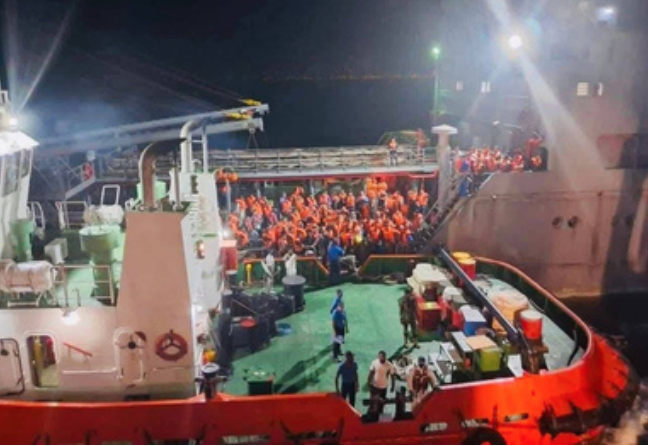
From naval rescues to fuel queues and diplomatic balancing, the conflict now shapes headlines across Colombo.
Be that as it may, Sri Lanka’s challenge remains clear.
Stay neutral.
Protect lives.
And avoid being drawn into a confrontation that belongs to larger powers.
Because sometimes the most important act in geopolitics is simply not taking sides.
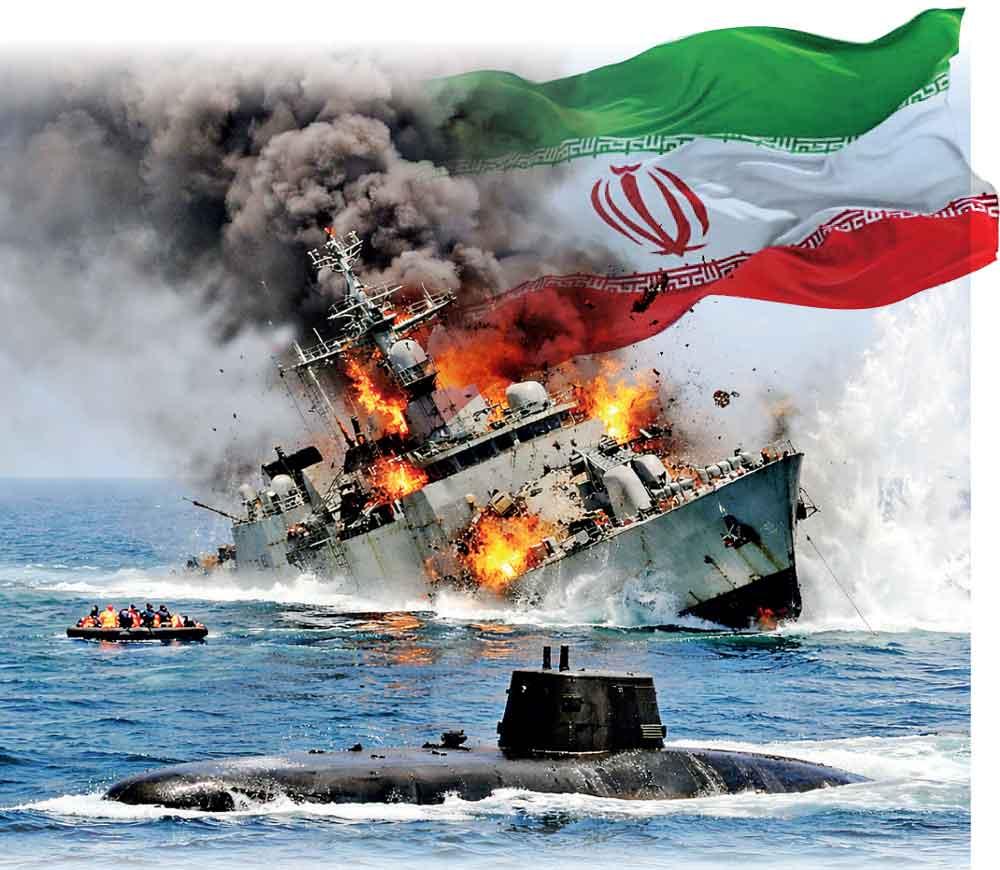
The Iranian naval logistics carrier widely reported as IRINS Bushehr is now effectively under the supervision of the Sri Lanka Navy, but several outcomes remain possible.
Nothing final has yet been formally announced, and the decision will depend on international maritime law, diplomacy and the ship’s condition.
The most realistic scenarios.
Temporary custody followed by departure (most likely)
If the vessel is seaworthy after inspection, Sri Lanka will most likely:
• allow repairs or technical checks
• ensure the crew is safe and medically cleared
• require the vessel to leave Sri Lankan waters within a limited timeframe
This approach allows Sri Lanka to comply with humanitarian maritime obligations while avoiding deeper involvement in the conflict.
This is the standard procedure internationally when military vessels seek emergency assistance.
Escort out of Sri Lankan waters
If the ship is able to sail but remains sensitive politically, Sri Lanka could require that:
• the vessel leave port quickly
• the Sri Lanka Navy escort it out of territorial waters
This allows Colombo to demonstrate neutrality while maintaining control of the situation.
Repairs under strict supervision
If the ship suffered mechanical damage or operational issues, Sri Lanka could permit limited repairs under naval supervision.
However, because the ship is a foreign military vessel belonging to a belligerent state, any repairs would likely be:
• minimal
• time-limited
• monitored by Sri Lankan authorities
Crew repatriation if the ship cannot sail
If the vessel is not seaworthy, the crew could be:
• temporarily housed ashore
• repatriated through diplomatic channels
The ship itself might remain immobilised until arrangements are made.
Why Sri Lanka must be careful
Sri Lanka sits on one of the world’s most sensitive sea lanes. Allowing a military vessel from a country engaged in conflict to operate from its ports could be interpreted as taking sides.