
For a country accustomed to watching wars unfold from a distance, Sri Lanka suddenly finds itself uncomfortably close to the theatre of global conflict.
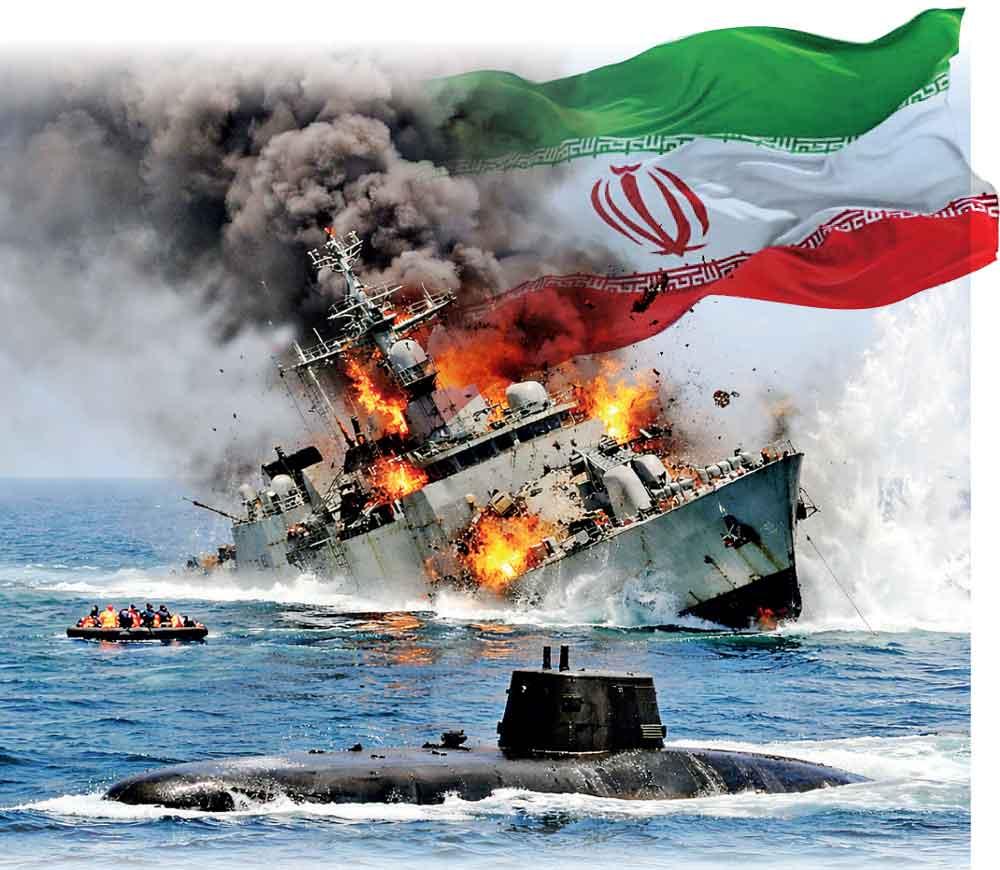
Earlier this week the Iranian naval frigate IRIS Dena was sunk by a United States submarine roughly forty nautical miles south of Galle. The attack left at least 87 sailors dead and dozens rescued by Sri Lankan forces, according to naval sources.
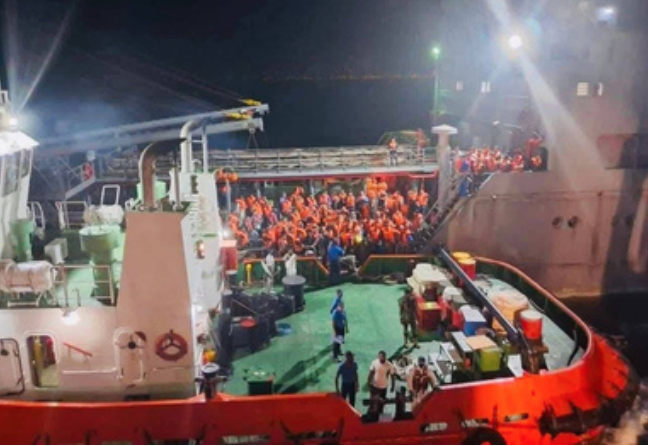
The Sri Lanka Navy and Air Force responded immediately to the distress call, conducting search and rescue operations and bringing injured sailors to hospitals on the southern coast.
Be that as it may, the strategic implications are far larger than a rescue mission.
The sinking marks the first confirmed torpedo attack on a warship by a U.S. submarine in active combat in decades, and it unfolded almost within sight of Sri Lanka’s shores. For Colombo the incident underscores a geographical truth often overlooked in quieter times. Sri Lanka sits at the crossroads of major sea lanes linking the Middle East, Asia and Europe.
In peace this location brings commerce. In conflict it brings unwanted proximity to great power confrontation. Government officials have emphasised that Sri Lanka remains neutral and that its response has been strictly humanitarian.
Yet the images of oil slicks, naval patrols and recovered bodies drifting near Sri Lanka’s coastline have left a lasting impression.
Because sometimes the world’s storms arrive without warning
SECOND IRANIAN SHIP — SRI LANKA WALKING A DIPLOMATIC TIGHTROPE
If the sinking of the Iranian frigate shocked the nation, the arrival of another vessel has complicated matters further.
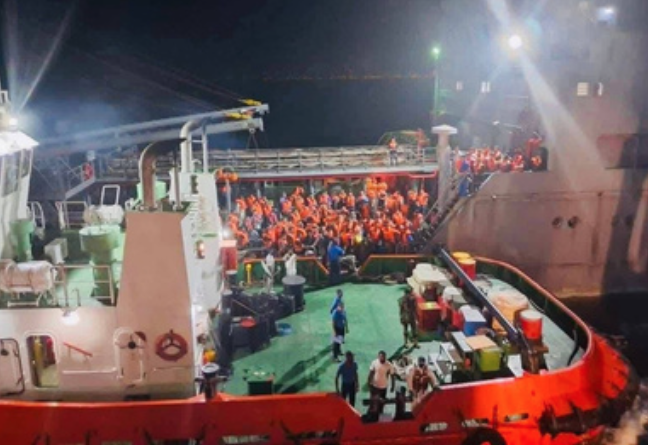
The Iranian naval support ship IRINS Bushehr approached Sri Lanka’s maritime zone shortly after the attack and requested assistance after experiencing mechanical difficulties.
Sri Lanka allowed the vessel to dock and brought 208 crew members ashore for medical checks and processing, while the ship itself was taken under the supervision of the Sri Lanka Navy.
The decision places Colombo squarely in the middle of a delicate diplomatic calculation.
International maritime law requires assistance to vessels in distress. Yet the ship belongs to a nation engaged in a widening confrontation with the United States and its allies.
Be that as it may, Sri Lanka has emphasised neutrality.
Officials say the country acted under humanitarian obligations and international conventions governing maritime safety.
For a small state dependent on global trade and diplomacy, neutrality is more than a slogan. It is survival