
Strait of Hormuz: The World’s Oil Lifeline on Edge
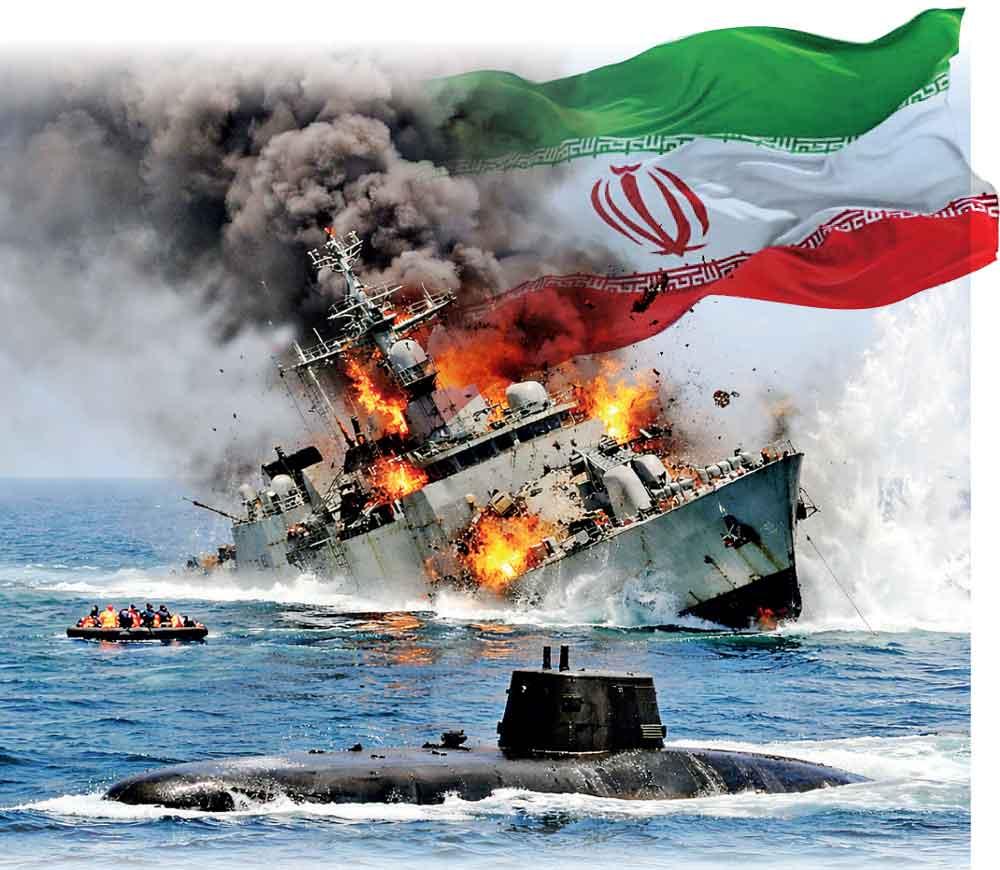
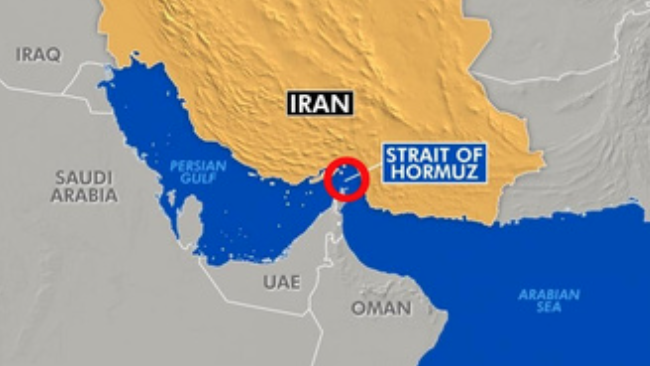
The Strait of Hormuz, through which roughly one-fifth of the world’s oil flows, has become the epicentre of global anxiety as the Iran-US confrontation intensifies. Tankers are avoiding the narrow waterway and several Gulf producers are already feeling the shock.
Kuwait has declared force majeure and begun cutting oil production, warning that shipments are increasingly difficult as the conflict disrupts maritime routes. Meanwhile Saudi Arabia is scrambling to reroute crude through its Red Sea terminals in an effort to keep supplies flowing to global markets.
Yet the arithmetic is brutal. Pipelines and alternate ports simply cannot replace the enormous daily flow that normally squeezes through Hormuz. Even a partial blockage has already rattled traders and driven oil prices higher.
For energy-hungry Asia — including Sri Lanka — the consequences could be immediate. Shipping insurance premiums are rising, tanker routes are lengthening and fuel markets are turning jittery.
In the Gulf, a quiet truth is settling in: when Hormuz sneezes, the world catches a very expensive cold.
Missiles Over the Gulf: A Region That Tried to Stay Neutral
The Gulf states have long prided themselves on stability — gleaming skylines rising from desert sands. But that illusion cracked when Iranian missiles and drones struck several Gulf countries hosting U.S. forces, including targets around Dubai, Qatar and Bahrain.
The attacks were Tehran’s retaliation for strikes against its territory by the United States and Israel.
Airports, ports and even luxury districts in Gulf cities briefly became theatres of war.
Authorities say air-defence systems intercepted the majority of missiles, limiting casualties and damage. But the symbolism was unmistakable: the Gulf’s commercial capitals are no longer insulated from the region’s conflicts.
For decades, the Gulf Cooperation Council countries sought a delicate balancing act — partnering with Washington while maintaining cautious relations with Tehran. That balance is now under severe strain.
The Gulf states insist they do not want to be dragged into a wider war. Yet geography is unforgiving.
The Middle East’s most prosperous neighbourhood suddenly finds itself living on the front line.
Oil Giants Adjust as War Disrupts Energy Routes
Behind the dramatic headlines lies a quieter but equally consequential battle: the fight to keep oil flowing.
Energy giant Abu Dhabi National Oil Company (ADNOC) says it is adjusting offshore output and using international storage to manage disruptions caused by the conflict.
Across the Gulf, producers are improvising. Saudi Arabia is redirecting shipments to the Red Sea while other exporters are considering temporary production cuts as storage facilities fill up.
Shipping companies are reacting even faster. Many tankers are avoiding the region altogether, forcing oil to travel longer and more expensive routes. Insurance costs for vessels entering the Gulf have surged, adding another layer of pressure to already volatile energy markets.
For the Gulf’s oil economies, the challenge is existential: their prosperity depends on uninterrupted exports.
If the region’s energy arteries remain clogged, the ripple effects will extend far beyond the desert — from Asian refineries to European petrol pumps.
The Gulf’s Tech Ambitions Meet a Harsh Geopolitical Reality
The Gulf’s leaders have spent the past decade attempting to transform their economies from oil kingdoms into digital powerhouses. Massive investments in AI, data centres and subsea internet cables were meant to anchor that future.
But those ambitions now face a sobering obstacle: geography. The two key maritime corridors linking the region’s digital infrastructure — the Strait of Hormuz and the Red Sea — are both caught in conflict zones.
Submarine internet cables carrying global data traffic run through these chokepoints. Any disruption risks slowing the data flows that underpin the Gulf’s trillion-dollar tech ambitions.
For the UAE and Saudi Arabia, which are positioning themselves as global hubs for artificial intelligence and digital commerce, the stakes are enormous.
The Gulf ’s economy was designed to reduce new dependence on oil.
Yet the same geopolitical fault lines that once threatened oil tankers now threaten fibre-optic cables — reminding the region that even in the digital age, geography still writes the script.
UAE Declares “State of Defence”
The United Arab Emirates has effectively moved into a defensive security posture after a series of missile and drone attacks linked to Iran. Officials described the strikes as “brutal and unprovoked” and said the country is taking measures to protect its sovereignty and population.
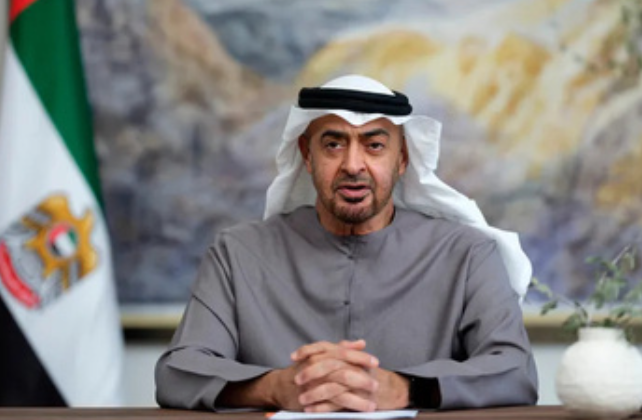
President Mohammed bin Zayed Al Nahyan reassured residents that the UAE remains strong and capable of defending itself, stating the country is “no easy prey.”
Air defence systems have been intercepting incoming missiles and drones across several emirates, with authorities urging residents to follow safety instructions.
Missile Alerts and Interceptions
Residents in Dubai and Abu Dhabi received emergency alerts warning of potential missile threats earlier today. Air defence systems intercepted multiple drones and missiles, and authorities later lifted the immediate alert after confirming the situation was under control.
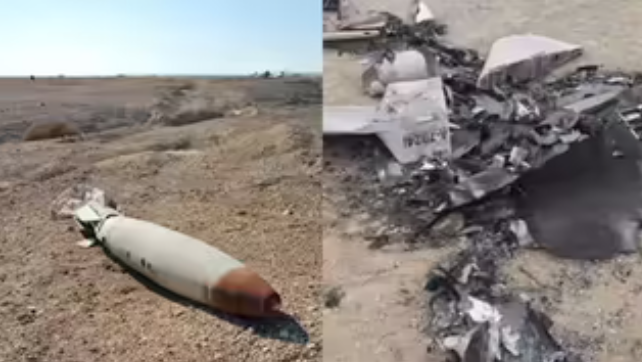
Officials say hundreds of projectiles have been intercepted since the start of the crisis, preventing major damage to infrastructure.
Airports and Aviation Disruptions
Dubai International Airport — normally the world’s busiest airport for international travel— briefly suspended operations due to security concerns.
Flights have since resumed in limited numbers, but the disruption stranded thousands of passengers and forced airlines to reroute or cancel flights across the region.
Global aviation networks are feeling the shock because Dubai is a major transit hub between Europe, Asia and Africa.