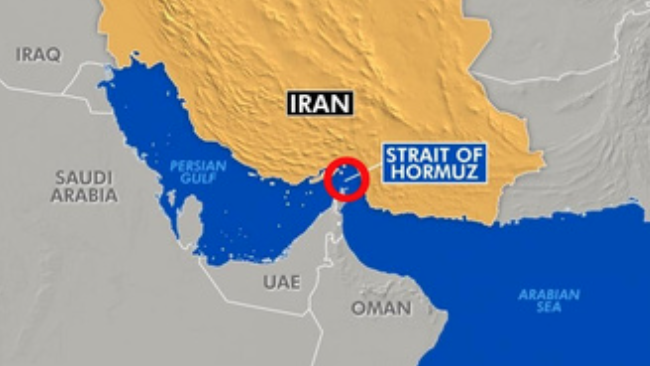

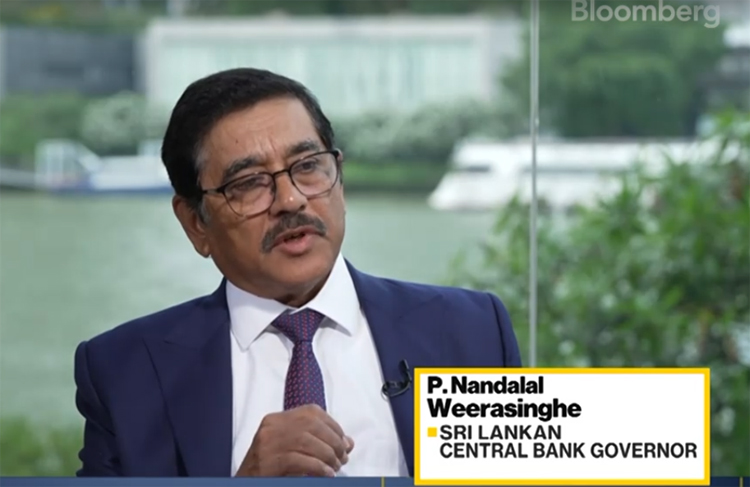
In an interview with Bloomberg on March 7, 2026, Governor Dr. P. Nandalal Weerasinghe provided insights into Sri Lanka’s preparedness to handle potential global economic shocks.
Dr. Weerasinghe emphasized that Sri Lanka currently possesses sufficient policy buffers, including stronger foreign reserves and a flexible policy framework, to manage external pressures. With inflation at approximately 1.6%, significantly below the 5% target, the country has room to accommodate potential price shocks resulting from global uncertainties.
He acknowledged that Sri Lanka, like any other nation, will face global economic challenges. However, he noted that the economy is better positioned today due to improved macroeconomic fundamentals. He further explained that cost-reflective pricing mechanisms, flexible inflation targeting, and exchange rate flexibility will assist the economy in adjusting to external shocks.
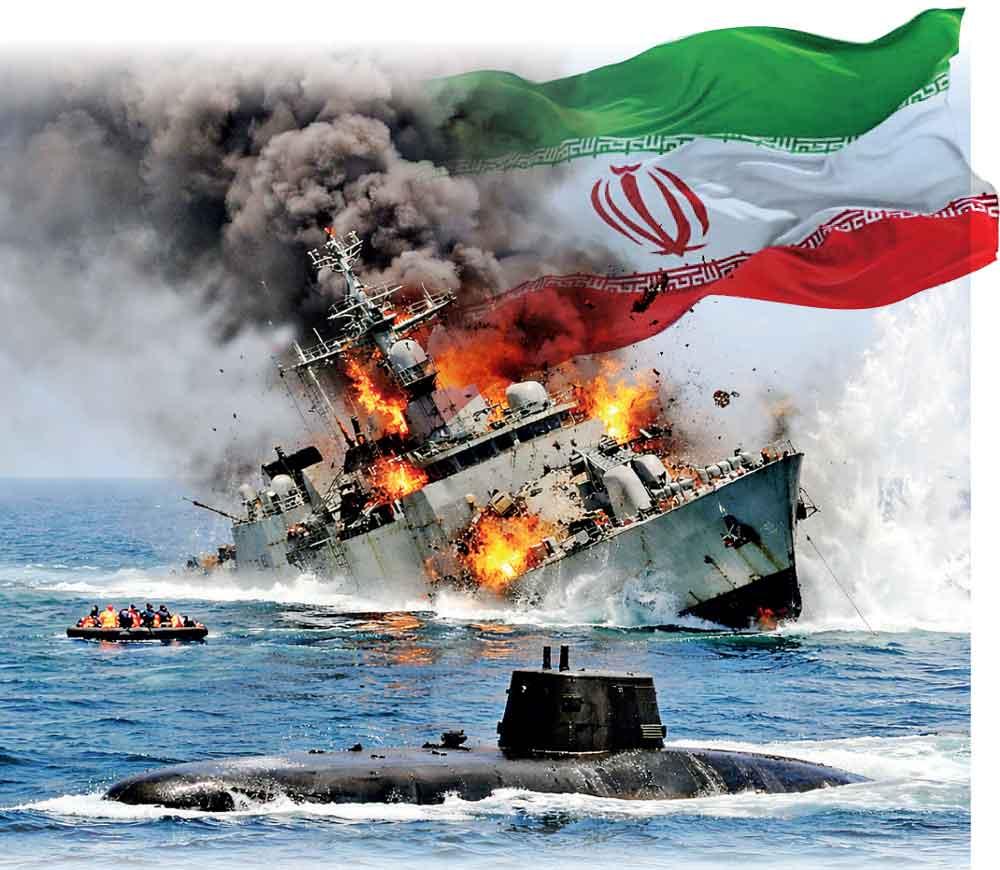
Addressing ongoing global conflicts, Dr. Weerasinghe stated that any significant external shocks might necessitate discussions with the International Monetary Fund (IMF). Nonetheless, he expressed hope that geopolitical tensions would ease in the near future.