

Oil prices experienced a significant decline on Tuesday, following a peak at their highest level in over three years during the previous session. This drop came after U.S. President Donald Trump suggested that the conflict in the Middle East might soon come to an end, alleviating concerns about potential long-term disruptions to global oil supplies.
Brent crude futures decreased by $6.51, or 6.6%, reaching $92.45 per barrel at 0018 GMT. Meanwhile, U.S. West Texas Intermediate (WTI) crude saw a decline of $6.12, or 6.5%, settling at $88.65.
On Monday, oil prices soared past the $100 mark, with Brent and WTI hitting session highs of $119.50 and $119.48, respectively, marking their highest levels since mid-2022. This surge was driven by supply cuts from Saudi Arabia and other producers amid the escalating U.S.-Israeli conflict with Iran, which sparked fears of significant disruptions to global oil supplies.
Later, prices pulled back after Russian President Vladimir Putin engaged in a phone conversation with Trump, where he presented proposals for a swift resolution to the conflict with Iran. This development helped to ease concerns about a prolonged supply disruption, according to a Kremlin aide.
In a CBS News interview on Monday, Trump expressed confidence that the conflict with Iran “is very complete” and noted that Washington was “very far ahead” of his initial four- to five-week estimated timeframe.
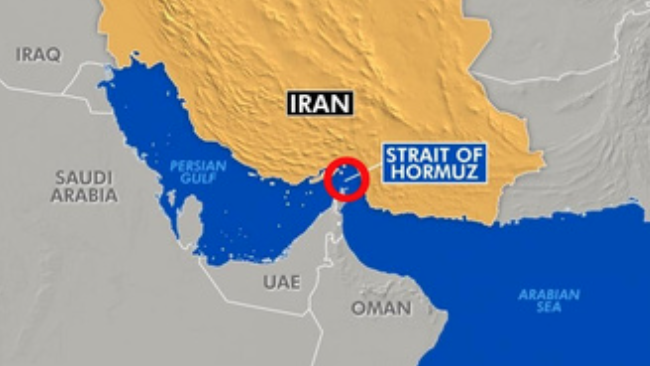
Responding to Trump’s remarks, Iran’s Revolutionary Guards declared that they would “determine the end of the war” and warned that Tehran would prevent “one litre of oil” from being exported from the region if U.S. and Israeli attacks continued, as reported by state media on Tuesday, citing an IRGC spokesperson.
Despite these statements, oil prices remained under pressure. This was partly due to Trump’s consideration of easing oil sanctions on Russia and releasing emergency crude stockpiles, which are part of a suite of options aimed at addressing the spiking global oil prices amid the Iran conflict, according to multiple sources.
IG market analyst Tony Sycamore commented in a note, “Taking the events of the past 24 hours into account, I expect crude oil to remain highly volatile, trading within a wide range between $75ish and $105ish in the sessions ahead.”
Gulf oil producers have initiated output reductions as the U.S.-Israeli conflict with Iran disrupted regional shipping. Over the weekend, Iraq reduced production at its main southern oilfields by 70%, down to 1.3 million barrels per day, while Kuwait Petroleum Corporation also began reducing output and declared force majeure. Additionally, Saudi Arabia has started cutting production, sources reported on Monday.
The G7 nations announced on Monday their readiness to implement “necessary measures” in response to the surging global oil prices but stopped short of committing to release emergency reserves.