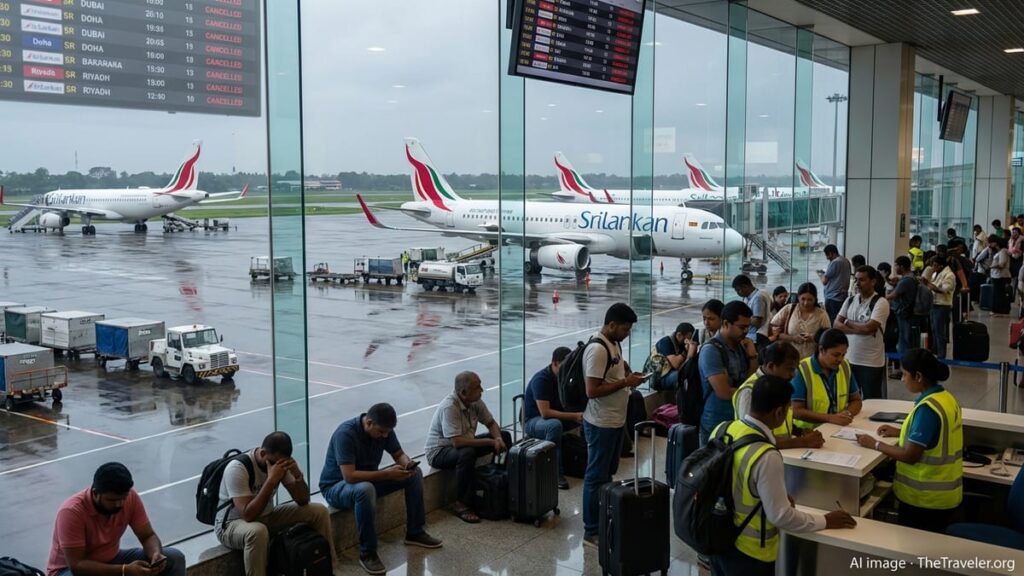

Colombo: As Sri Lanka slowly emerges from the devastating economic collapse of 2022, economists warn that the recovery remains fragile and that decisive policy action is required to prevent another financial crisis. The island nation, which suffered severe shortages of fuel, food and foreign currency, is still navigating a complex recovery path under an international bailout and ongoing debt restructuring.
– Defending the Rupee and Monetary Stability
– Reducing unnecesary Imports
– Expanding Renewable Energy
– Work-From-Home to Save Fuel
– Strategic Neutrality in Global Conflicts
– Building a Crisis-Resilient Economy
Analysts say the crisis was largely driven by a combination of excessive external debt, declining foreign reserves, and heavy reliance on imports that drained the country’s scarce foreign currency.
To avoid repeating the mistakes that led to bankruptcy, policymakers are being urged to implement a series of pragmatic economic and strategic measures designed to protect foreign reserves, stabilize the currency and strengthen national resilience.
Defending the Rupee and Monetary Stability

One key recommendation from economists is the use of tighter monetary policy to defend the Sri Lankan rupee. Increasing interest rates during periods of external pressure can reduce excessive credit growth and limit demand for imports, thereby protecting foreign exchange reserves.
During the height of the crisis, monetary expansion and low reserves weakened the currency and accelerated inflation, which at one point surged to extreme levels and sharply reduced household incomes.
Maintaining disciplined monetary policy, experts say, is essential to preserving financial stability and restoring investor confidence.
Reducing Import Dependence
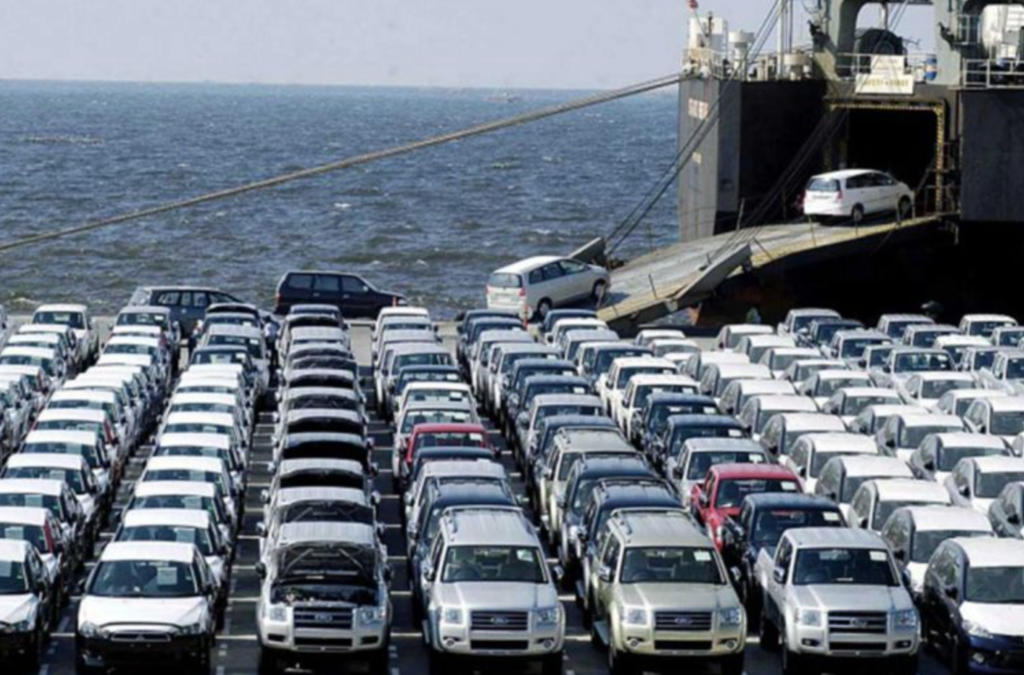
Another critical policy step is to significantly curb non-essential imports in order to conserve foreign currency. Analysts suggest that Sri Lanka should consider temporarily restricting the import of high-value consumer goods such as motor vehicles and selected food products like sugar and milk powder.
Sri Lanka’s past economic crisis was exacerbated by the fact that the country imported far more goods than it exported, placing immense pressure on its balance of payments.
By prioritizing essential imports such as fuel, medicine and industrial inputs, the country can ensure that limited foreign reserves are used strategically.
Expanding Renewable Energy

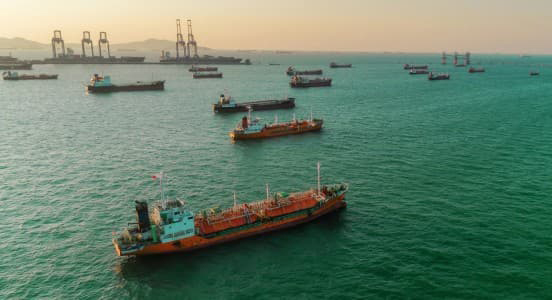
Energy imports remain one of the largest drains on Sri Lanka’s foreign currency reserves. Experts argue that a nationwide transition toward renewable energy particularly solar power — could significantly reduce long-term dependence on imported fossil fuels.
Encouraging rooftop solar installations for households, businesses and government institutions could cut electricity generation costs while strengthening energy security.
Such a transition would also align with global trends toward sustainable energy and reduce vulnerability to international oil price shocks.
Work-From-Home to Save Fuel
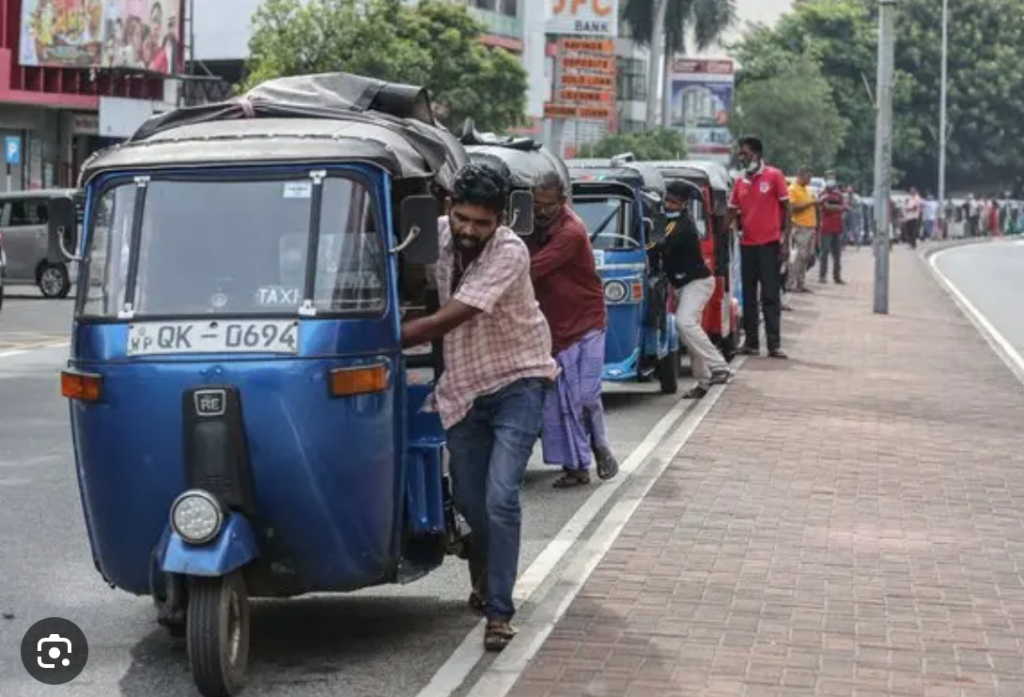
A practical measure proposed by several policy analysts is the expansion of work-from-home arrangements across both public and private sectors.
During the crisis, Sri Lanka experimented with remote working in order to reduce commuting and conserve fuel. Making such policies permanent in selected sectors could substantially lower national fuel consumption, particularly in urban areas.
Reduced travel demand would also ease pressure on transport infrastructure while improving productivity and work-life balance.
Strategic Neutrality in Global Conflicts
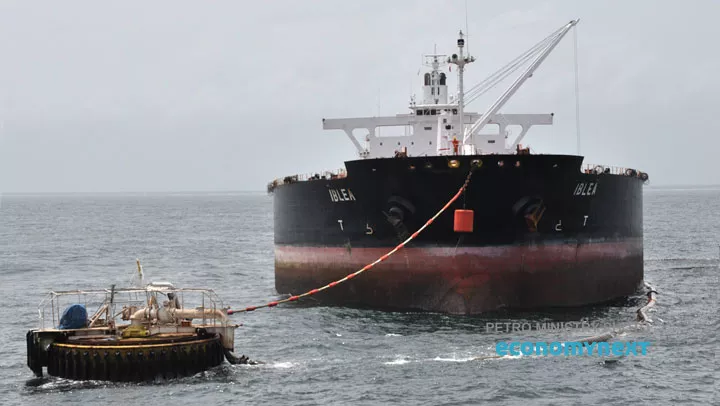
Geopolitical risks are another factor that policymakers must consider. Analysts caution that escalating global tensions — including potential conflicts involving major powers — could disrupt trade routes, energy supplies and capital flows.
In such an environment, maintaining a neutral foreign policy stance is seen as critical for small economies like Sri Lanka. Strategic neutrality allows the country to preserve trade relationships with multiple global partners while avoiding entanglement in geopolitical rivalries.
Building a Crisis-Resilient Economy
Sri Lanka has already begun implementing reforms under an international support programme aimed at stabilizing public finances, restructuring debt and rebuilding foreign reserves.
However, economists emphasize that sustainable recovery will require long-term structural changes — including stronger fiscal discipline, export growth, and policies that protect foreign currency reserves.
If carefully implemented, measures such as reducing import dependence, expanding renewable energy, defending the currency, and maintaining geopolitical neutrality could help ensure that Sri Lanka never again faces a crisis of the magnitude experienced in 2022.
For a nation that has endured one of the worst economic collapses in its history, the challenge now is not merely recovery — but resilience.