
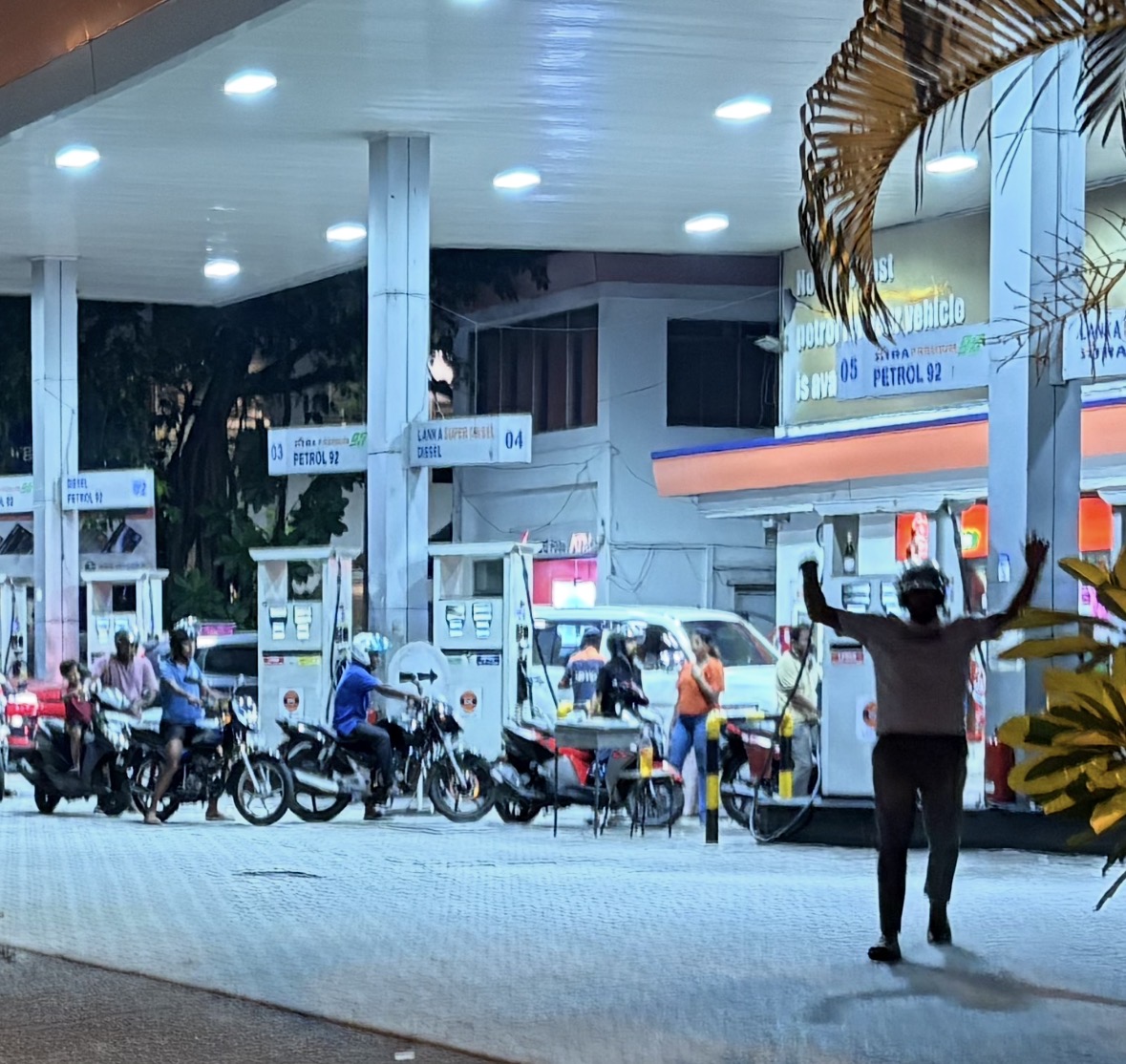
Sri Lanka is preparing for possible fuel supply disruptions triggered by the escalating conflict in the Middle East, with the government announcing the re- activation of the national QR code fuel distribution system from 6.00 a.m. on 15 March 2026.
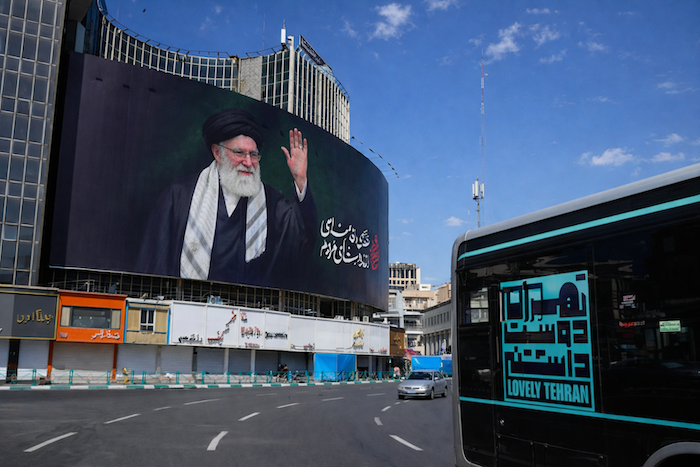
In a media release issued by the Ministry of Energy (Sri Lanka) on 14 March, authorities warned that global fuel supply routes are increasingly under strain due to the ongoing war situation in the Middle East, while domestic demand for fuel has risen sharply.
Officials said the country’s limited fuel reserves must now be carefully managed toensure that economic activity continues without disruption. The government also pointed to illegal hoarding by certain groups, which it says has contributed to the sudden spike in demand.
Under the new directive, no fuel will be issued from any filling station without a valid QR code beginning Sunday morning. Motorists who were previously registered in the system will be able to download their codes online
while new users will be required to register through the official fuel pass website.
The QR code system was first introduced during Sri Lanka’s 2022 economic crisis as a mechanism to control fuel queues and ration supplies, and its return signals growing concern within government circles over the potential impact of geopolitical tensions on energy imports.
According to the allocation schedule released alongside the notice, weekly fuel quotas will apply to various vehicle categories. Motorcycles will be limited to 5 litres per week, motor cars to 15 litres, vans to 40 litres, and buses to 60 litres, while heavy vehicles transporting goods will receive 200 litres weekly to maintain supply chains.
Authorities say special arrangements will also be made to ensure that essential services and key economic sectors receive fuel through dedicated mechanisms, allowing production and transport systems to continue operating.
The announcement comes as global energy markets watch developments in the Middle East with increasing concern. Sri Lanka, which imports most of its fuel requirements, remains particularly vulnerable to disruptions in shipping lanes and refinery supply chains.
For many Sri Lankans, however, the reappearance of the QR fuel pass carries memories of the long queues and shortages that marked the country’s worst economic crisis in decades.
This time, officials insist the measure is preventive rather than reactive – an attempt to manage supplies before a shortage emerges rather than after one takes hold.
Still, the message from Colombo is unmistakable: the world’s geopolitical tensions are once again beginning to ripple through Sri Lanka’s fuel pumps.