
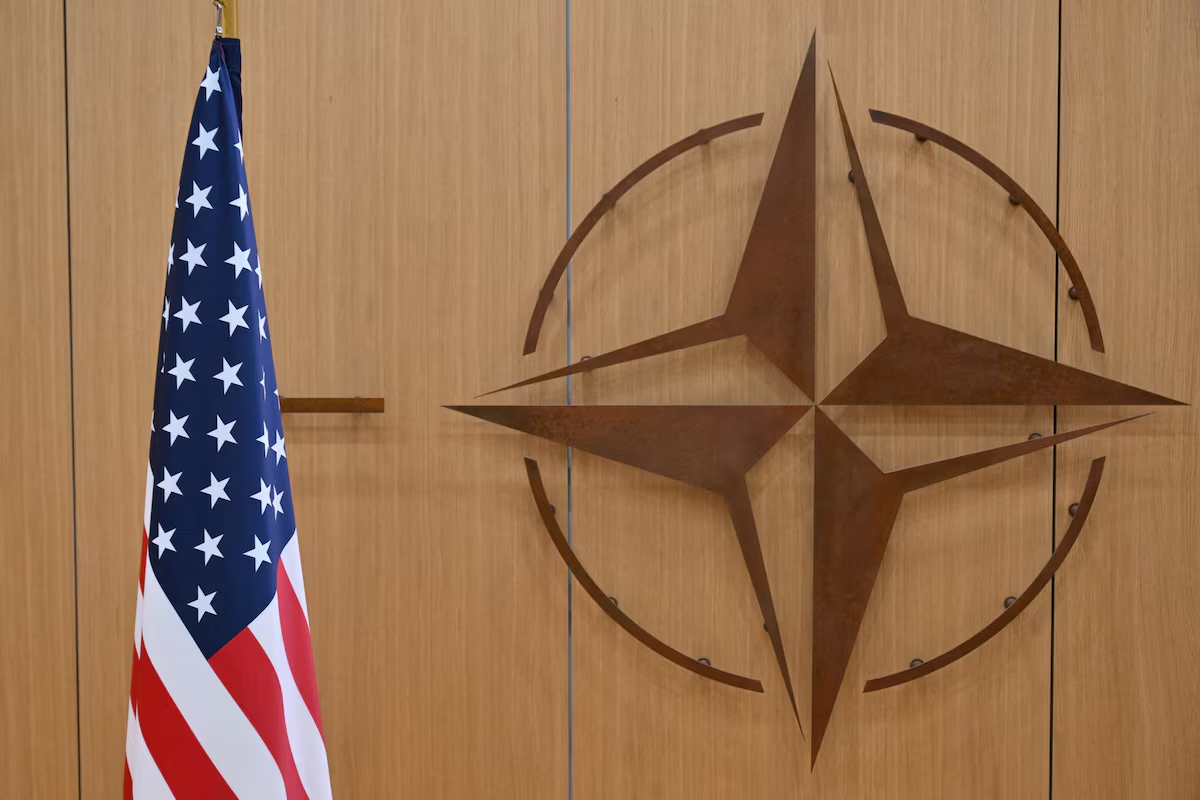
The crisis in the Gulf is exposing growing divisions within NATO as member states debate whether the alliance should take a direct role in protecting shipping through the Strait of Hormuz.
U.S. President Donald Trump has urged allies to contribute naval forces to ensure the safe passage of energy shipments through the strategic waterway. However, several European governments have signalled reluctance to commit warships to the mission.
Officials in Germany, Spain and Italy have indicated that the crisis is not formally a NATO operation and should instead be handled through broader international maritime security arrangements.
The debate highlights a recurring tension within the alliance: how far European members are willing to support U.S.-led security initiatives outside the traditional NATO theatre.
ATO allies and other Western nations on Monday rejected US President Donald Trump’s demand that alliance members help reopen the Strait of Hormuz, a vital oil passageway effectively closed by Iran.
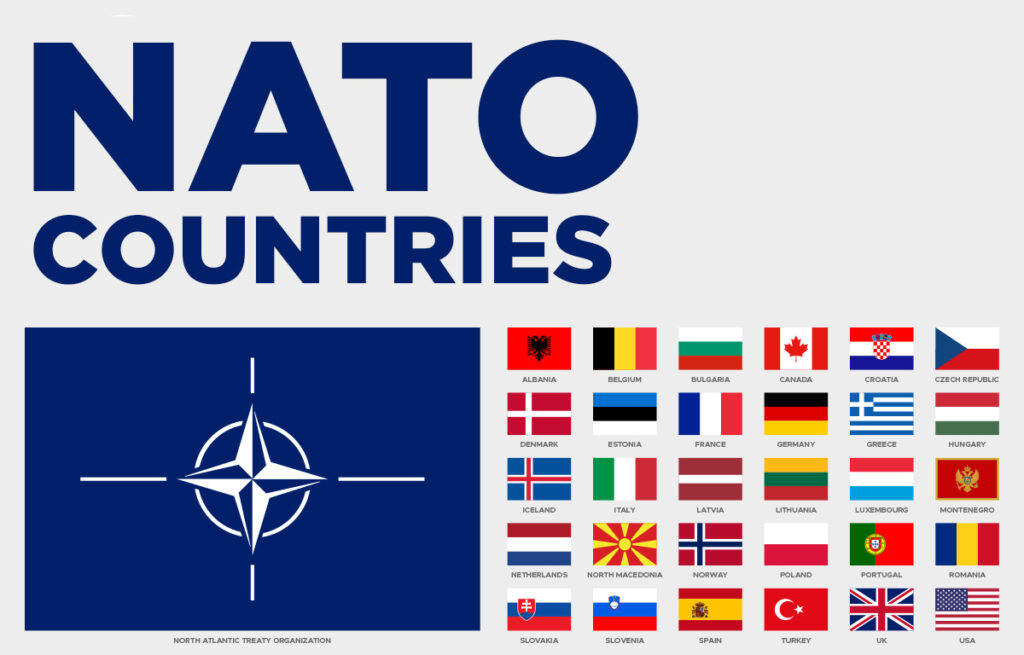
NATO Allies Reject Trump Call to Reopen Strait of Hormuz
As CNA reported, British Prime Minister Keir Starmer said London was working with allies to develop a “viable” plan to reopen the waterway, but rejected the NATO mission. Berlin, meanwhile, insisted this war was “not a matter for NATO.”
Polish Foreign Minister Radoslaw Sikorski noted that the country’s president had “rejected the participation of the Polish Armed Forces in this operation,” while Spanish Defense Minister Margarita Robles said Madrid was “absolutely not” considering a military contribution.
The less than enthusiastic response from European capitals came after Japan and Australia echoed similar sentiments hours earlier, with Canberra noting that it would not send naval vessels to the Strait of Hormuz.
Over the weekend, Trump called on countries including China, France, Japan, South Korea, and the UK to send warships to escort tankers through the strait. He warned that a refusal would be “very bad for the future of NATO.”
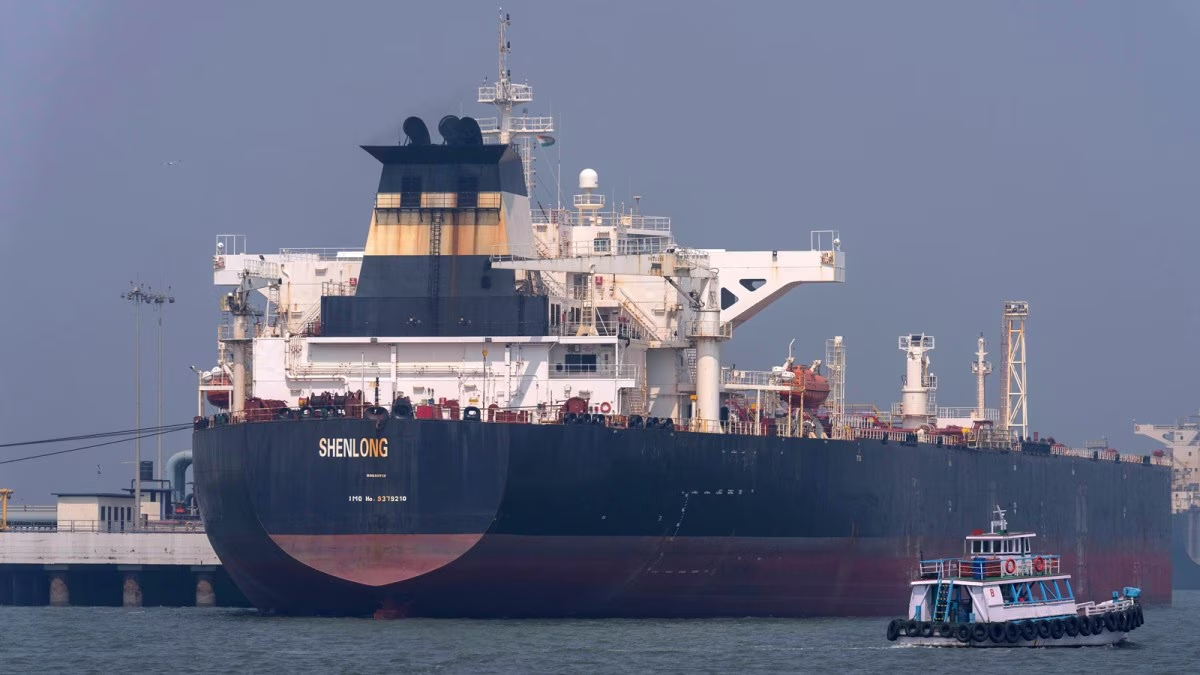
Oil prices surged after the Strait of Hormuz was closed, and on Monday remained above $100 as the Iran war entered its third week. This volatility further underscores the importance of ensuring safe passage for tankers through the vital transport route.
Starmer, who has faced harsh criticism from Trump over Britain’s refusal to join the US and Israel in an offensive against Iran, told reporters that he had discussed the waterway with the US leader on Sunday.
“We’re working with all of our allies, including our European partners, to bring together a viable collective plan that can restore freedom of navigation in the region as quickly as possible and ease the economic impacts,” he said in Downing Street.
“Let me be clear: that won’t be, and it’s never been envisioned to be, a NATO mission,” Starmer said, while also emphasizing that the UK “will not be drawn into the wider war.”
“That’ll have to be an alliance of partners,” he added of any mission in the Strait of Hormuz.
Call for De-escalation
In Berlin, Stefan Kornelius, a spokesperson for German Chancellor Friedrich Merz, said that this war has nothing to do with NATO. “It’s not NATO’s war,” he said.
“NATO is a defensive alliance” and “there is no mandate to deploy NATO” in the current situation, Kornelius told reporters.
Meanwhile, German Defense Minister Boris Pistorius said that Germany would “not participate with its military” from his country, but added that the country was ready to support diplomatic efforts “to ensure safe passage through the Strait of Hormuz.”
“What does Trump expect from a handful of European frigates that the powerful US Navy cannot do? This is not our war, we have not started it,” Pistorius said, as reported by TRT World.
Foreign Minister Johann Wadephul said in an interview with Germany’s ARD television on Sunday that he was “very skeptical” that expanding the Aspides into the Strait of Hormuz would provide greater security.
The European Union’s Aspides mission—named after the Greek word for “shields”—was established in 2024 to protect ships from attacks by Yemen’s Houthi rebel group in the Red Sea.
Foreign Minister Antonio Tajani said that diplomacy was the right way to resolve the crisis in the Strait of Hormuz. He added that no naval mission involving Italy could be extended to the region.
Meanwhile, a government spokesman said that Greece would not be involved in any military operations in the Strait of Hormuz.
Remaining Open But Reluctant to Commit
Following Trump’s request for military support, several other European countries have attempted to appear open-minded while remaining non-committal.
“We did not want this war. From day one, we have called for de-escalation,” Denmark’sForeign Minister Lars Lokke Rasmussen told Danish media in Brussels before a meeting of EU foreign ministers.
“That said, I believe we need to keep an open mind and look at how we can contribute,” he said, describing the situation as “very, very serious.”
Lithuanian Foreign Minister Kestutis Budrys told reporters in Brussels, “NATO countries should consider” the US request for assistance, but cautioned, “we need to look at the entire operational environment and the capabilities we can provide.”
His Estonian counterpart Markus Tsahkna struck a similar note, saying Tallinn is “always ready to discuss with the US, including now regarding the situation in the Strait of Hormuz.”
“However, this primarily means we need to understand the US’s goals and plans in the ongoing conflict,” added Tsahkna.