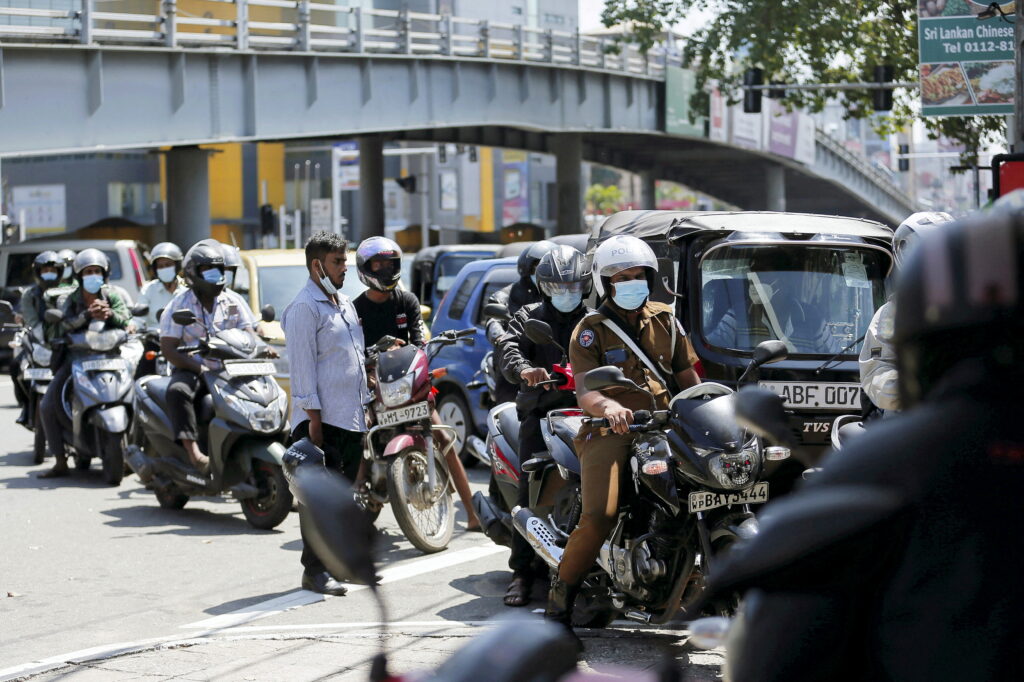

In a move both pragmatic and unsettling, Sri Lanka has effectively shortened its working week. The shift to a four- day operational structure across large parts of the public sector is being framed as a fuel-saving measure.
In reality, it is something more profound – a controlled slowing of the national engine. Schools, universities, and government offices are adjusting schedules, while work- from-home protocols are being quietly encouraged.
The objective is clear: reduce movement, conserve fuel, and buy time. Be that as it may, such measures carry consequences. Productivity, already uneven, risks further disruption. The informal sector – which depends on daily activity – absorbs the shock more immediately than the formal economy.
And then there is the psychological effect. A nation that reduces its working week under constraint sends a message to itself and to the world. This is not a policy of growth; it is a policy of preservation.
Yet it must also be acknowledged that the government has few easy options. In the face of constrained supply and rising global uncertainty, demand management becomes inevitable.
The four-day week is therefore less a choice and more a necessity. The question is how long it can be sustained before it begins to cost more than it saves. For now, Sri Lanka is learning once again to live within limits – not by design, but by circumstance.