
Beneath the surface – pressure builds.
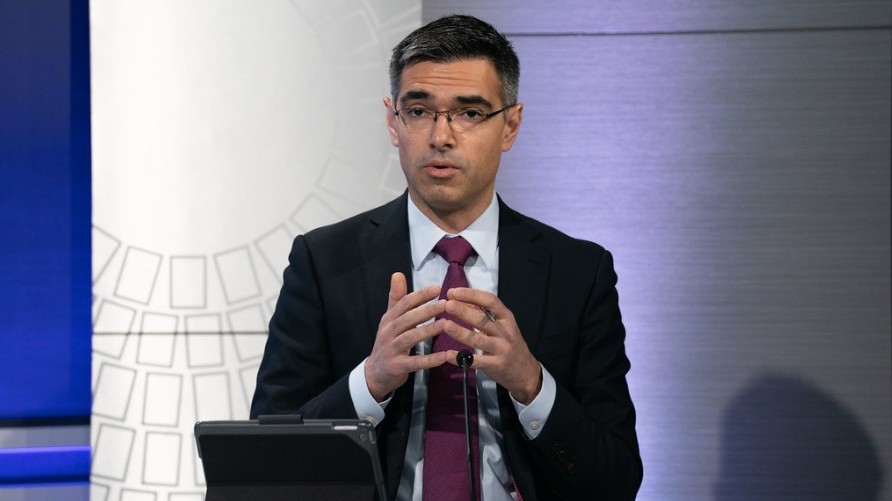
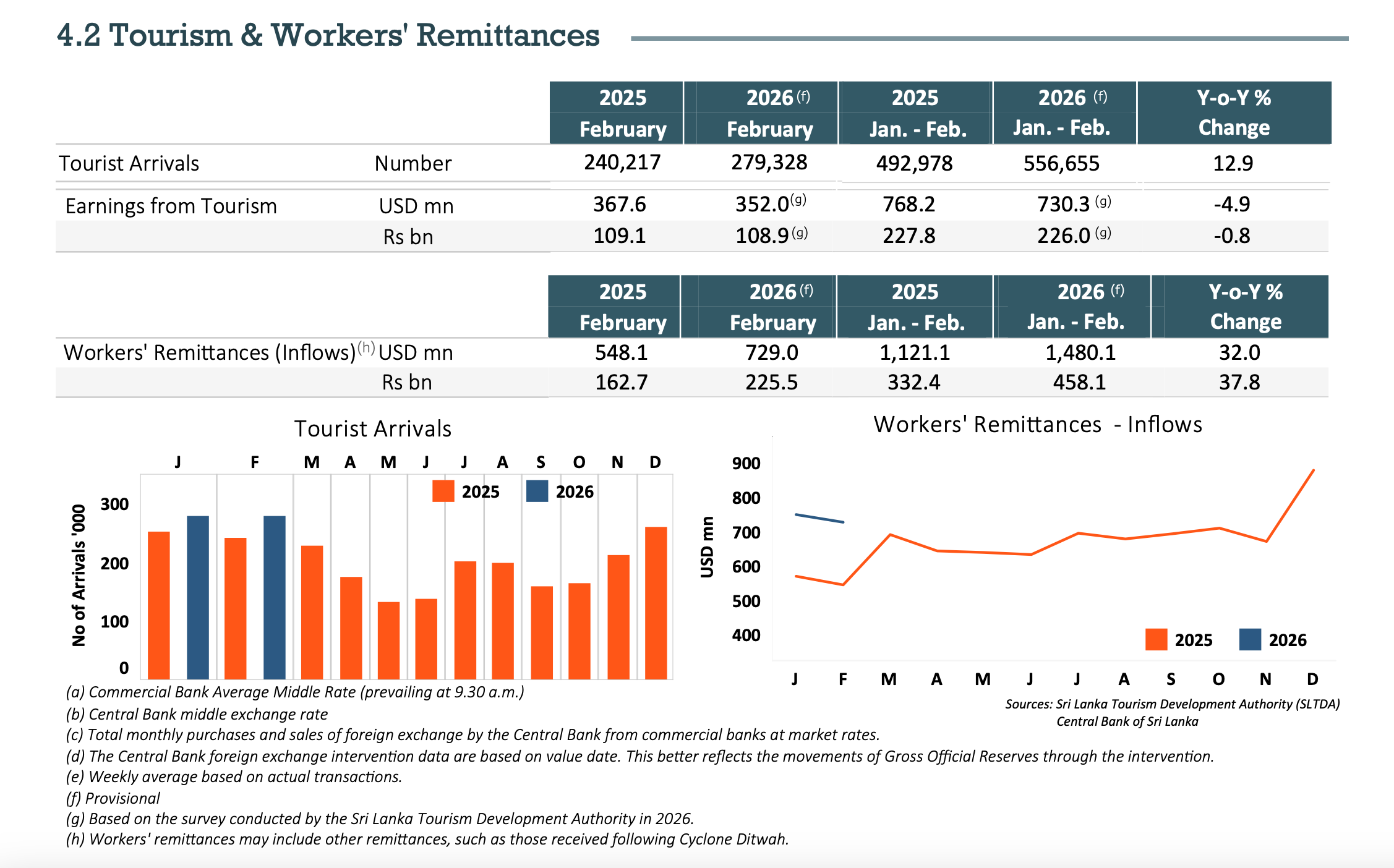
Warnings are growing that Sri Lanka’s fragile recovery may once again be under threat. Former Minister Harin Fernando has described the economy as sitting on an “economic volcano,” pointing to the country’s heavy reliance on the Middle East for remittances and tourism.
Majority of remittances originate from the Gulf region, while a significant share of tourists arrive via Middle Eastern hubs. Any sustained disruption could trigger a cascade of effects – currency pressure, reduced foreign exchange inflows, and a slowdown in economic momentum.
Be that as it may, this is not merely about numbers. It is about exposure. Sri Lanka’s economic model remains heavily dependent on external stability. When that stability falters, so too does the island’s recovery trajectory.
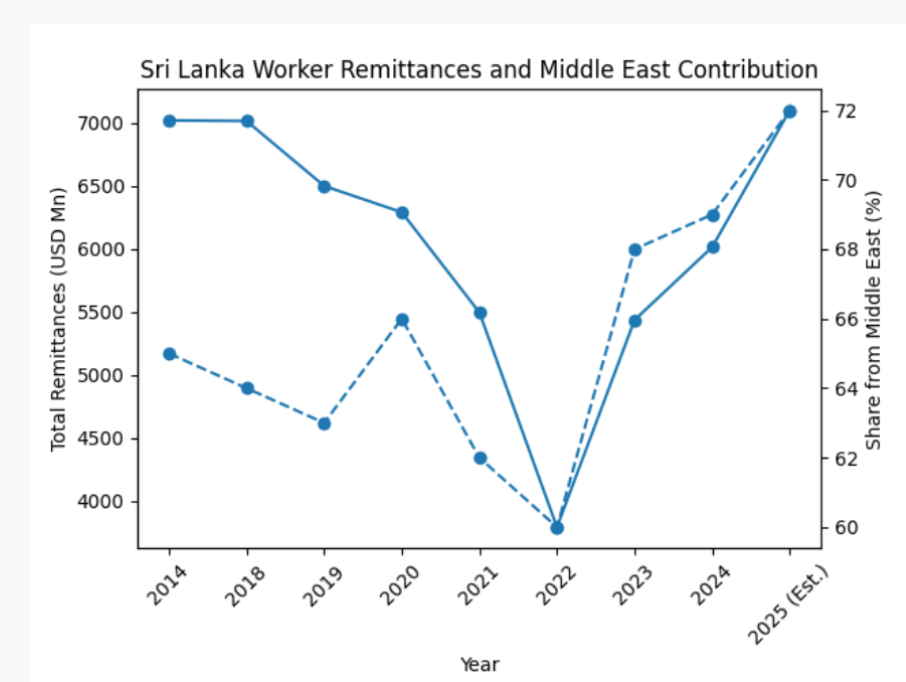
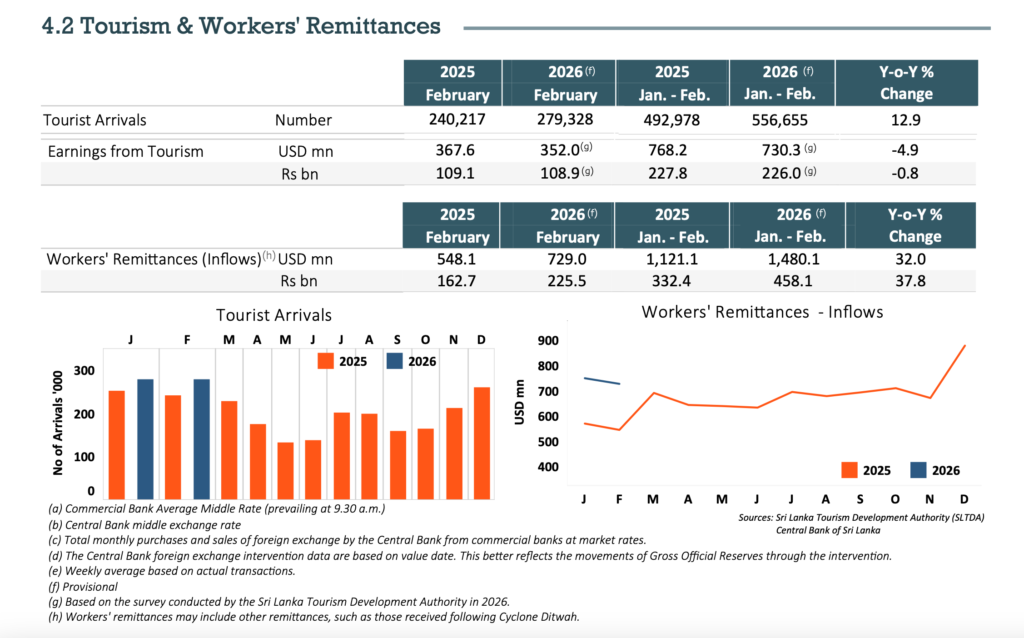
Worker remittances maintained stable double-digit growth in both 2024 and 2025, providing crucial support to Sri Lanka’s external sector during the recovery phase. A partial easing of global inflation and strengthening labour markets in the Gulf helped sustain overseas worker incomes, while higher deployment of Sri Lankan workers to construction and service sectors across GCC countries further boosted inflows in 2025.
However, this positive trend faces emerging downside risks from the escalating Iran–US conflict. Given that a substantial (70%) share of Sri Lanka’s remittances originates from the Middle East, any disruption to economic activity in the Gulf region could have a direct impact on inflows. Heightened geopolitical tensions may lead to slower growth in key sectors such as construction and services, where many Sri Lankan workers are employed, potentially affecting job security, wages, and remittance capacity.