
Airlines don’t choose routes. governments do!
COLOMBO Every international flight that departs or lands in a country does so not simply because an airline sees opportunity — but because two governments have agreed to allow it.
At the centre of this system are Bilateral Air Service Agreements (BASAs) — formal treaties negotiated government to government, which determine how air connectivity between countries actually works.
Critically, airlines themselves are not parties to these negotiations.
They do not sit at the table. They do not decide the terms. Instead, it is states — through ministries, aviation authorities, and diplomatic channels — that decide:
• How many flights can operate between two countries • Which airlines are designated to fly
• What capacity is allowed
• Which cities can be connected
Airlines operate within the rights granted by governments — not outside them.
A NEGOTIATED SKY
Under a typical BASA, countries agree on specific limits such as:
• A fixed number of weekly frequencies
• Restrictions on aircraft type or seating capacity
• Designation of national carriers or approved operators
This means that even when demand rises, airlines cannot simply increase flights unless those limits are renegotiated at the state level.
Be that as it may, the system was never designed as a free market.
Historically, BASAs were structured to:
• Protect national carriers
• Ensure reciprocal access
• Maintain strategic control over aviation links
For decades, this allowed governments to shield domestic airlines from overwhelming foreign competition while preserving national connectivity.
THE SHIFT TO OPEN SKIES
In recent years, some countries have moved toward so- called “Open Skies” agreements, which remove many of these restrictions and allow airlines greater operational freedom.
These agreements can increase: • Competition
• Passenger choice
• Route frequency
But they also expose smaller national carriers to intense global competition, often from larger and better- capitalised international airlines.
SRI LANKA’S STRATEGIC BALANCE
For Sri Lanka, BASAs remain a critical policy tool.
They shape:
• The presence of Middle Eastern and Asian carriers in Colombo
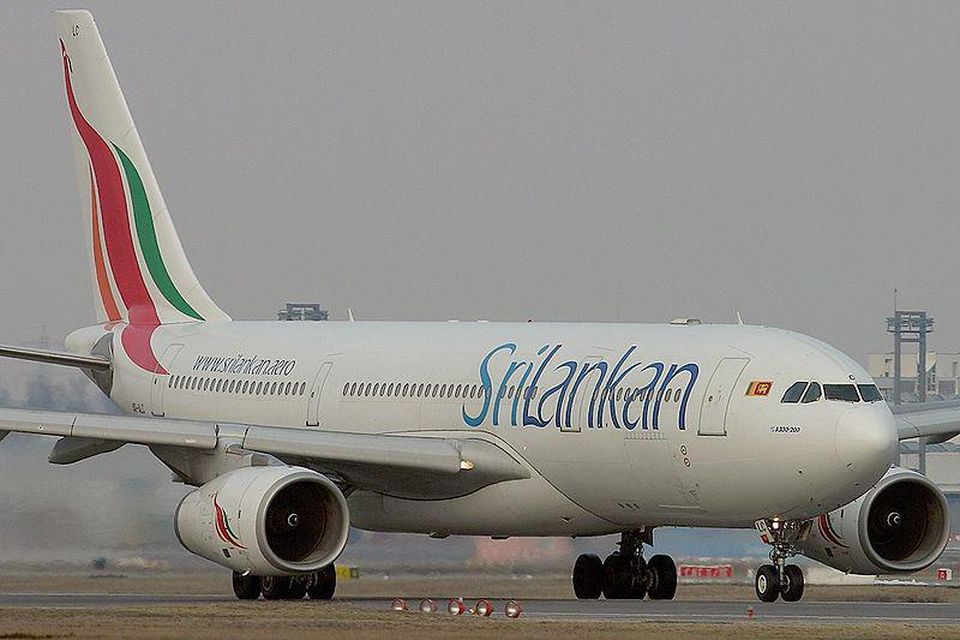
• The competitive environment for SriLankan Airlines
• The broader tourism and trade ecosystem
Too restrictive an approach can limit growth and connectivity. Too liberal an approach can weaken the national carrier. The balance is delicate — and ultimately political.
THE REALITY BEHIND EVERY FLIGHT
What passengers rarely see is that every additional flight, every new destination, and often even pricing dynamics are influenced by these state-level agreements.
A BASA is not simply an aviation document. It is a reflection of economic priorities, diplomatic relationships, and national strategy.
And most importantly:
It is negotiated between governments — not airlines.
THE BIGGER QUESTION
As global aviation evolves and economic pressures mount, countries are being forced to rethink how open — or protected — their skies should be.
For Sri Lanka, the challenge is clear: How to maximise connectivity and economic benefit…Without losing control of its own airspace. Because in the end, the sky may look open —
But access to it is carefully, deliberately, and politically controlled.