
FINANCIAL CHRONICLE – Tehran is prepared to supply fuel and other essential goods to Sri Lanka if requested, according to the Iranian Ambassador to Sri Lanka. This statement comes as the island nation faces significant fuel shortages and rising prices for essential items.
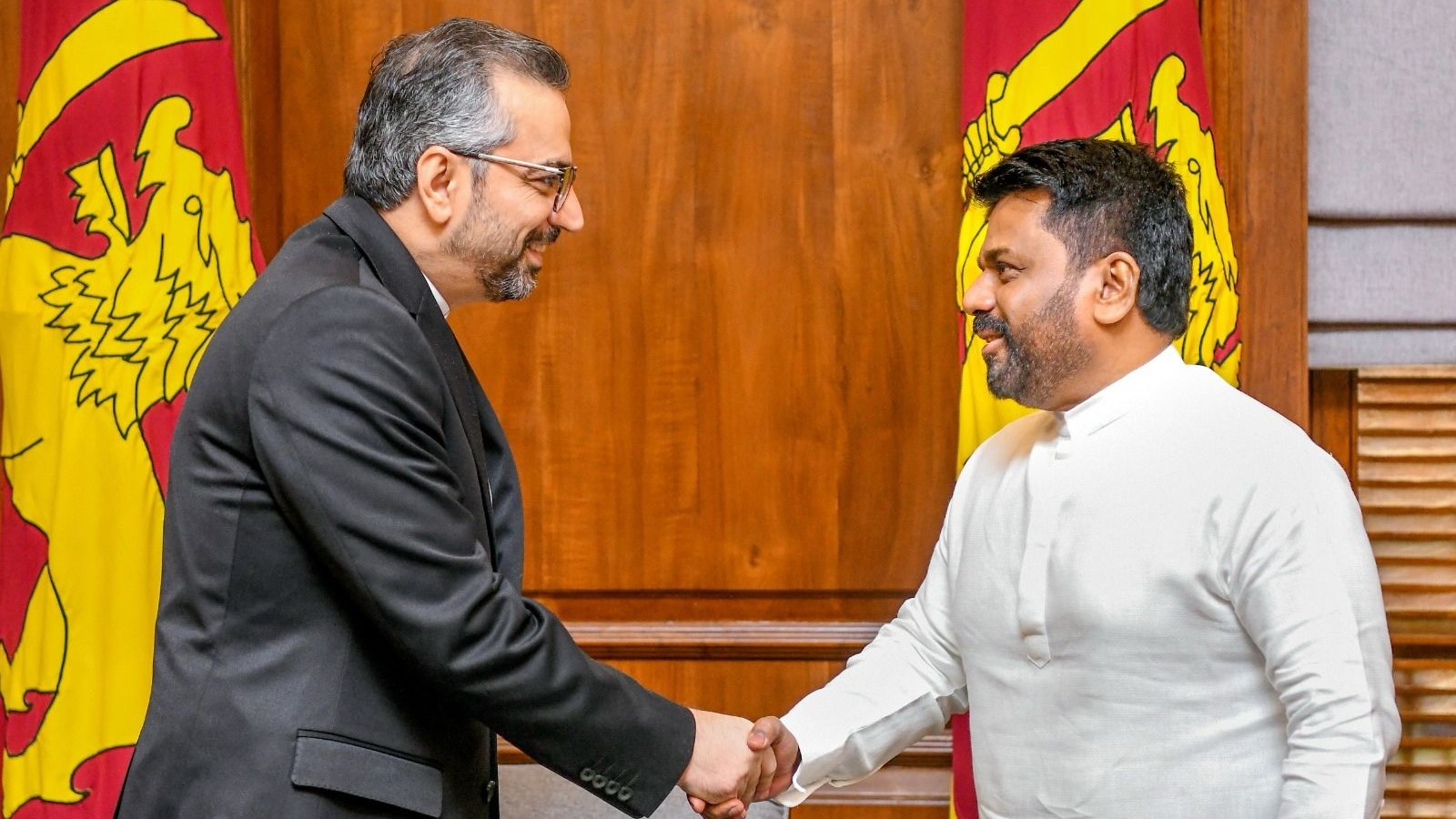
“Sri Lanka is our friendly country. The Strait of Hormuz is not closed to our friendly country’s vessels. Because of that, Iran is always ready to provide all necessities for friendly countries like Sri Lanka,” said Alireza Delkhosh, the Ambassador of the Islamic Republic of Iran to Sri Lanka, during a media briefing in Colombo on Monday (23).
“And in any case, if Sri Lanka demands oil or any other necessary goods, Iran will supply and provide these goods to Sri Lanka,” he added. “We don’t want to see Sri Lanka in trouble. The Nation of Sri Lanka is highly esteemed and respected by Iran.”
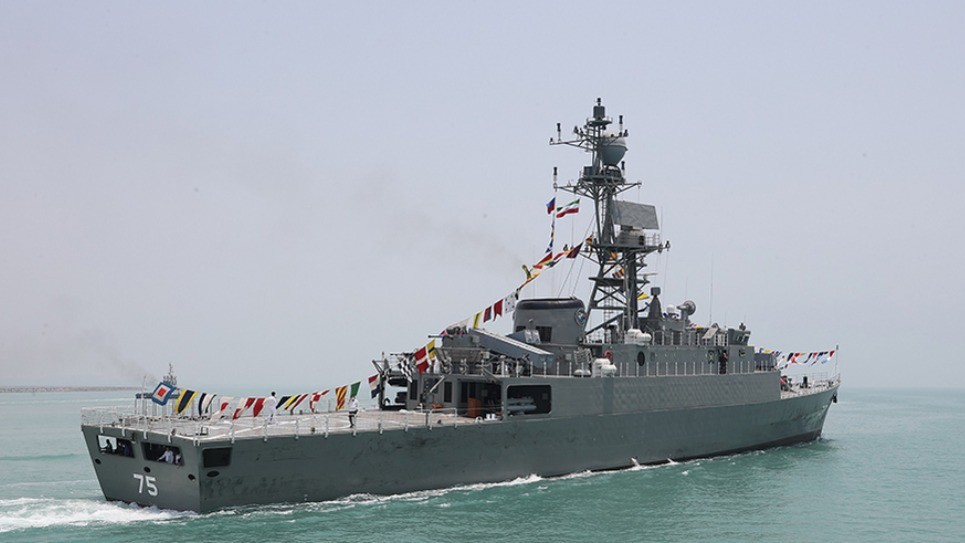
Sri Lanka previously rescued 32 Iranians from the IRIS Dena, a warship that was torpedoed by a U.S. submarine missile on March 4. The Ambassador expressed gratitude towards Sri Lanka for its hospitality in assisting the survivors and for helping 208 Iranians who were on the IRIS Bushehr, a vessel that suffered engine failure after the attack on IRIS Dena.
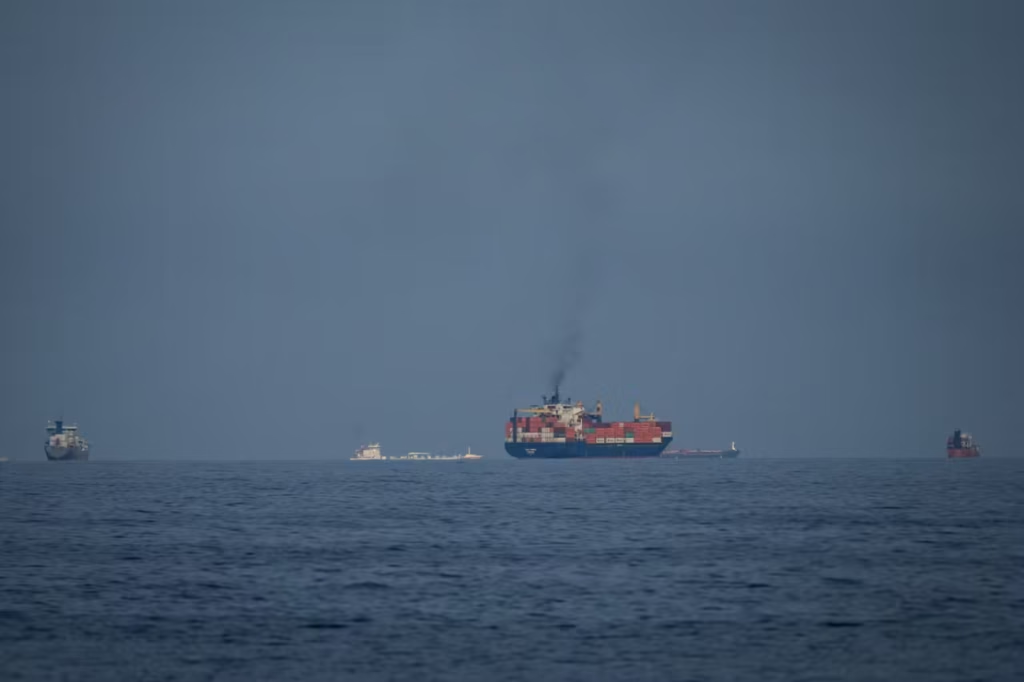
The ongoing Middle Eastern crisis has heightened the risk of fuel shortages in Sri Lanka, compounded by delays in shipments through the Strait of Hormuz, which Iran has blocked for security reasons. Currently, Sri Lanka is struggling with fuel shortages and increasing global oil prices.
The impact of these fuel shortages and price increases has reached a critical level, with prices surging to heights not seen since the 2022 economic crisis. Following the escalation of the Middle East conflict and the closure of the Strait of Hormuz, the government implemented a 25% price increase on March 22, marking the second hike within a week.
In an effort to prevent a complete depletion of national reserves, which are currently estimated to last only six weeks, the government has enforced stringent fuel rationing and introduced a mandatory four-day work week for the public sector, designating every Wednesday as a public holiday.
The island nation’s private bus operators have warned that up to 90% of their fleet could be grounded without a minimum 15% fare increase. Meanwhile, three-wheeler drivers are experiencing a significant drop in passengers who can no longer afford the increased rates.
Farmers and rice producers have cautioned that price increases are unavoidable due to rising transport and distribution costs, with rice prices expected to rise soon.
Despite the rising prices, the government continues to shoulder a monthly subsidy burden of approximately 20 billion to keep diesel and petrol prices from reflecting the full volatility of the global market.
In an effort to conserve energy, the President has called for a return to work-from-home arrangements and the suspension of public ceremonies, indicating a shift towards a managed austerity economy.
(Colombo/March 23/2026)