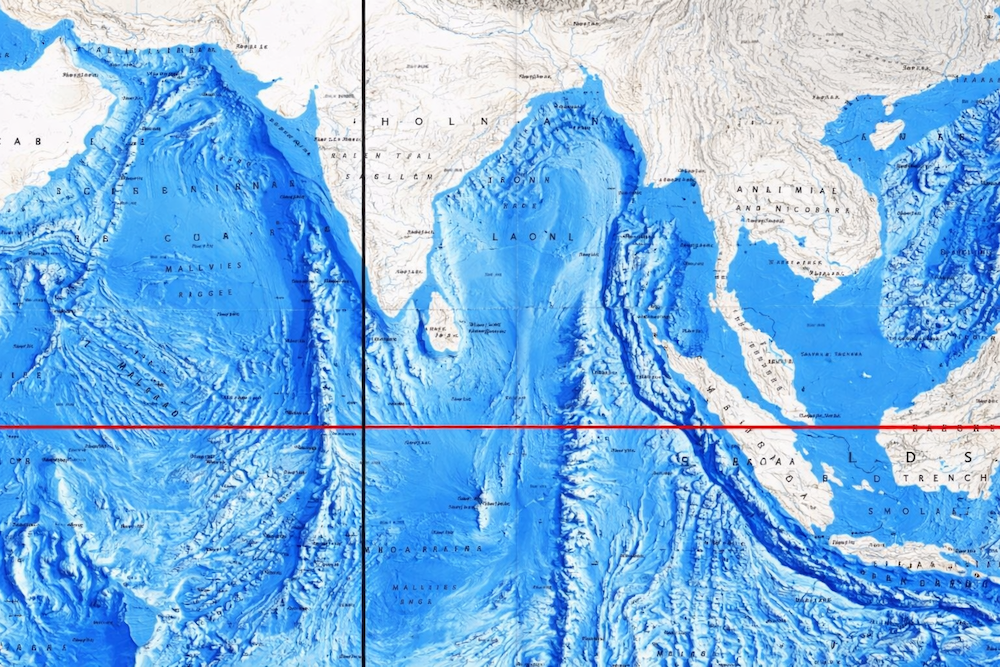
COLOMBO – On most world maps, Sri Lanka appears as a small, teardrop-shaped island just below India easy to miss against the vast expanse of the Indian Ocean. Yet, in the calculations of strategists, shipping operators, and military planners, its position just north of the equator and adjacent to one of the world’s busiest maritime corridors has drawn increasing and urgent attention.
A Geography That Multiplies Advantage
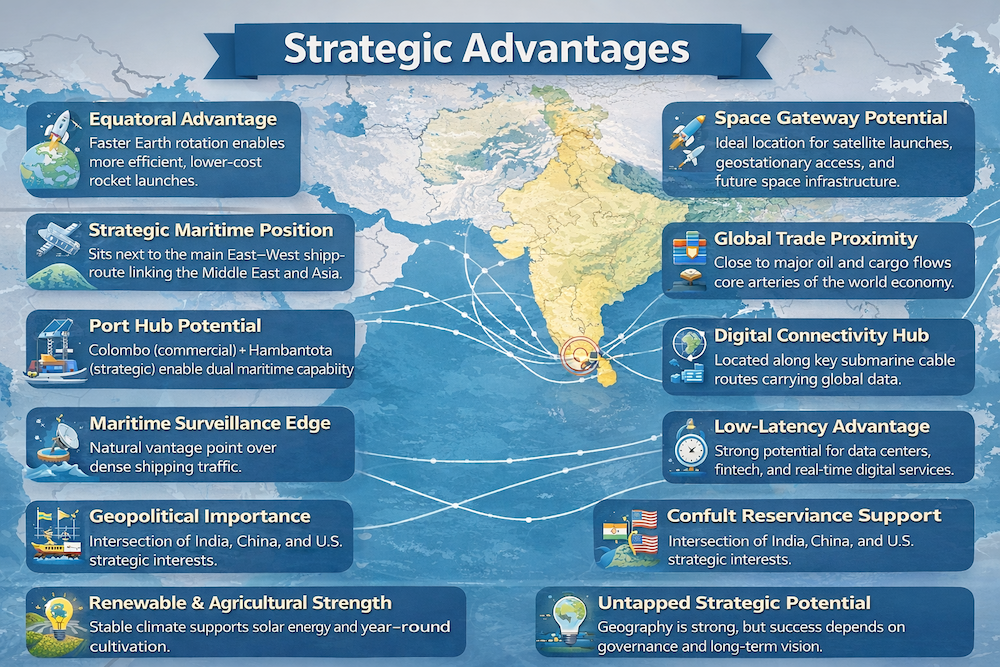
Sri Lanka’s location offers a rare combination of geographic and technological advantages. Near the equator, the Earth’s rotational speed reaches its maximum about 1,670 km/h providing a natural boost to rockets launched eastward. This reduces fuel consumption and allows for heavier payloads, making equatorial regions highly efficient for space launches.
Such positioning also enables direct access to geostationary orbit with minimal orbital correction, a critical advantage for communications and broadcasting satellites. In addition, equatorial regions are ideally suited to support low-Earth orbit (LEO) satellite constellations, enhancing global connectivity and narrowing digital divides. Frequent satellite passes over tropical regions further improve environmental monitoring, disaster tracking, and climate observation.
Beyond aerospace, the equatorial belt supports year-round agriculture due to stable temperatures and predictable rainfall. It is also home to some of the planet’s richest biodiversity zones and plays a vital role in carbon sequestration. Strong and consistent solar exposure adds another layer of value, making such regions ideal for large-scale renewable energy generation.
At the Crossroads of Global Trade
Just as significant as its latitude is Sri Lanka’s proximity to critical sea lanes. The waters south of the island carry the lifeblood of the global economy: oil moving eastward from the Persian Gulf and manufactured goods flowing westward toward Europe. These routes have remained largely unchanged for decades, shaped by geography rather than politics.
Sri Lanka does not control these sea lanes, but its proximity grants it strategic influence particularly in areas such as refueling, transshipment, logistics, and maritime surveillance. Few countries of comparable size occupy such a consequential position.
In Colombo, one of South Asia’s busiest ports operates with relentless efficiency, handling cargo that often connects directly to the Indian market. Further south, Hambantota port sits closer to the main shipping lanes, representing both economic ambition and geopolitical debate. Together, these ports suggest the potential for Sri Lanka to evolve into a dual maritime hub serving both commercial and strategic functions in the Indian Ocean.
The Subtle Advantage of Gravity
Equatorial regions are also associated with slightly reduced effective gravity due to the Earth’s rotation and its equatorial bulge. While the difference is small, it has meaningful implications for space operations. Launches from near-equatorial locations require less energy, improving efficiency and reducing costs.
Sri Lanka, by virtue of its location, could theoretically serve as a future space gateway supporting satellite launches, tracking infrastructure, and emerging commercial space activities. This concept is even reflected in Arthur C. Clarke’s The Fountains of Paradise (1979), which imagines Sri Lanka as the site of a space elevator a symbolic bridge between Earth and space.
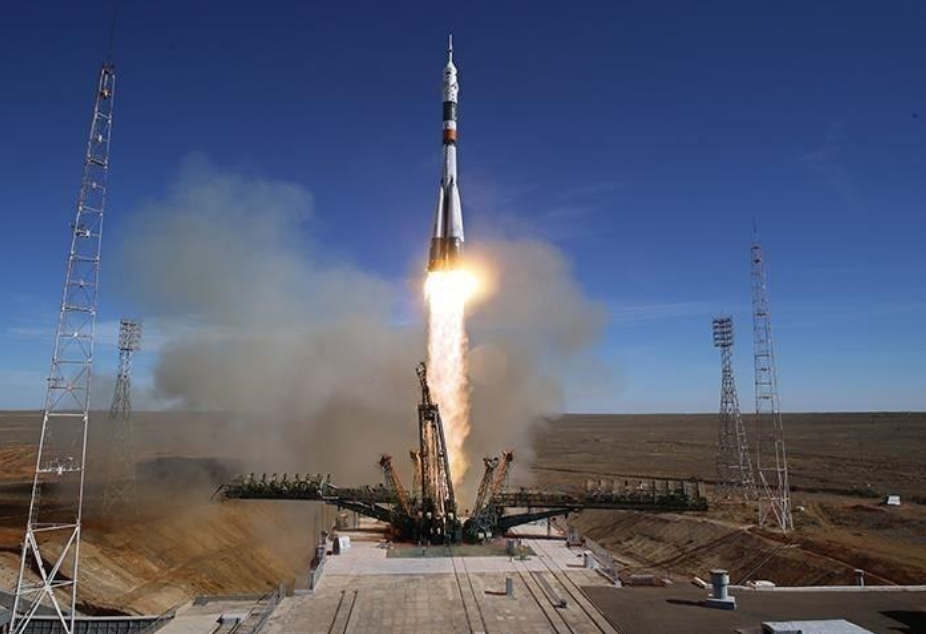
In Arthur C. Clarke’s novel
The Fountains of Paradise (1979), the fictional Sri Pada (based on Adam’s Peak/Sri Pada) is selected as the ideal location for a space elevator, acting as a “gateway to the stars”. It is highlighted as the ultimate “bridge” between Earth and space.
A Stage for Global Competition
Such advantages inevitably attract attention. Over the past decade, Sri Lanka has found itself at the intersection of competing global interests. India views the island as central to its security environment. China has invested heavily in infrastructure, seeing Sri Lanka as part of a broader network of connectivity across the Indo-Pacific. Meanwhile, the United States and its allies increasingly recognize the Indian Ocean as a region where influence must be actively maintained.
What has emerged is not direct confrontation, but a more nuanced competition focused on access, partnerships, and long-term presence. Sri Lanka’s domestic decisions, particularly regarding ports and infrastructure, are now interpreted within a broader geopolitical framework.
Beneath the Surface: The Data Highways
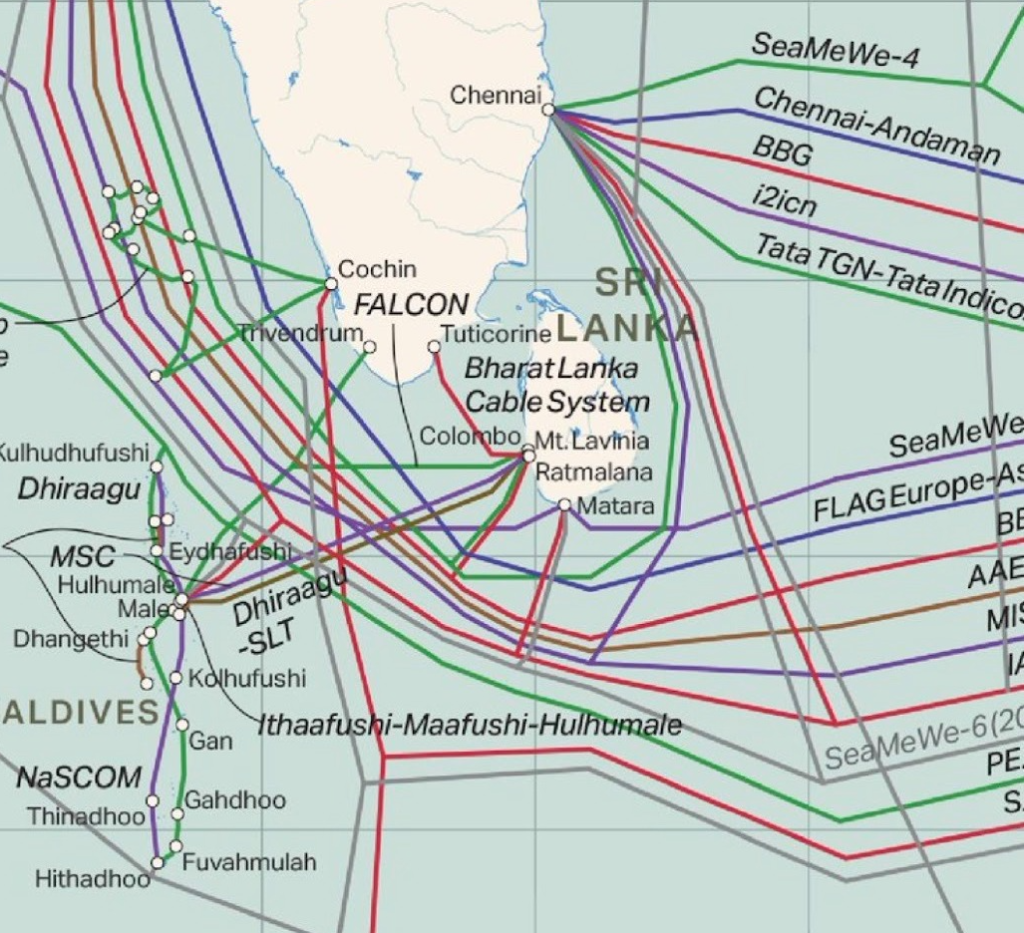
Less visible but equally important is Sri Lanka’s role in global digital infrastructure. Beneath the surrounding seas runs a dense network of submarine cables carrying the world’s data financial transactions, communications, and cloud services.
Sri Lanka sits along these critical routes, with cable landing points concentrated around Colombo. This allows the country to function as both a transit node and a redundancy hub, helping stabilize global connectivity. Its location also offers low-latency advantages, making it attractive for time-sensitive digital operations.
As data becomes as strategically important as trade and energy, Sri Lanka has the potential to evolve into a regional digital hub hosting data centers and supporting next-generation technologies. However, this role also comes with vulnerabilities, as undersea cables are critical yet fragile assets requiring protection and governance.
Between Trade and Power Projection
Sri Lanka’s position gains further significance when viewed alongside other strategic locations in the Indian Ocean. It lies just north of the main east–west shipping corridor linking the Strait of Hormuz to the Malacca Strait an artery through which a substantial share of global oil and trade flows.
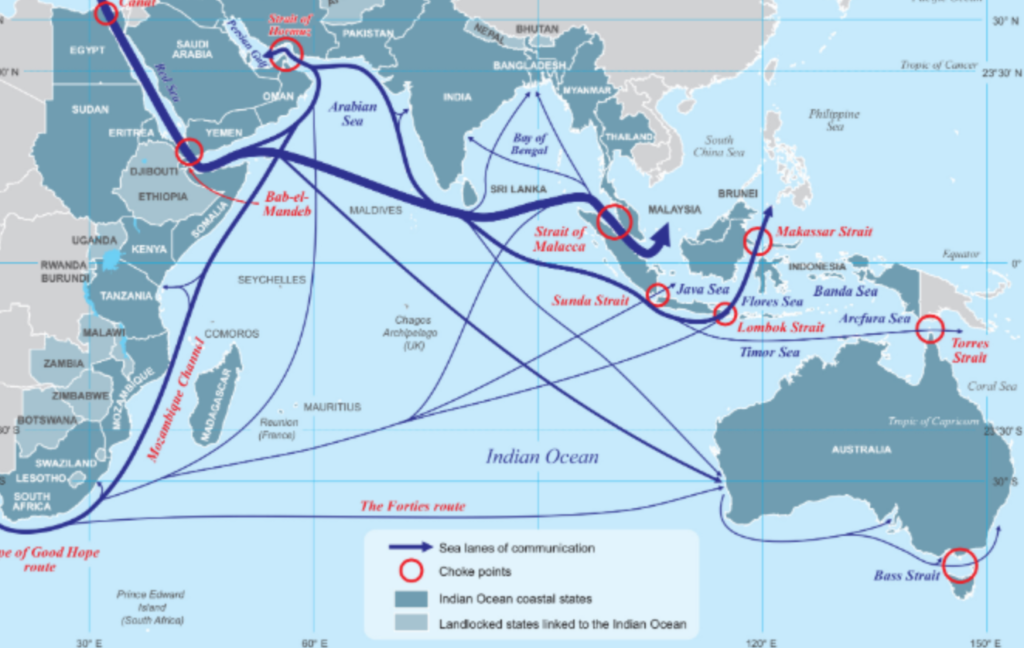
In contrast, Diego Garcia located deeper in the Indian Ocean serves primarily as a secure military base, enabling long-range power projection and surveillance. While Diego Garcia offers strategic depth, Sri Lanka sits directly adjacent to active commercial routes, giving it immediate relevance to global trade flows.
A Potential Flashpoint in Conflict
In any major geopolitical conflict, Sri Lanka’s location becomes critically important—particularly for the United States and China.
For the United States, ensuring the openness of sea lanes is essential for both economic stability and military mobility. Sri Lanka offers proximity to these routes, making it strategically valuable for monitoring and influence.
For China, the stakes are equally high. A significant portion of its energy imports passes through these waters, making any disruption near Sri Lanka a direct threat to its economic security an extension of its well-known “Malacca dilemma.”
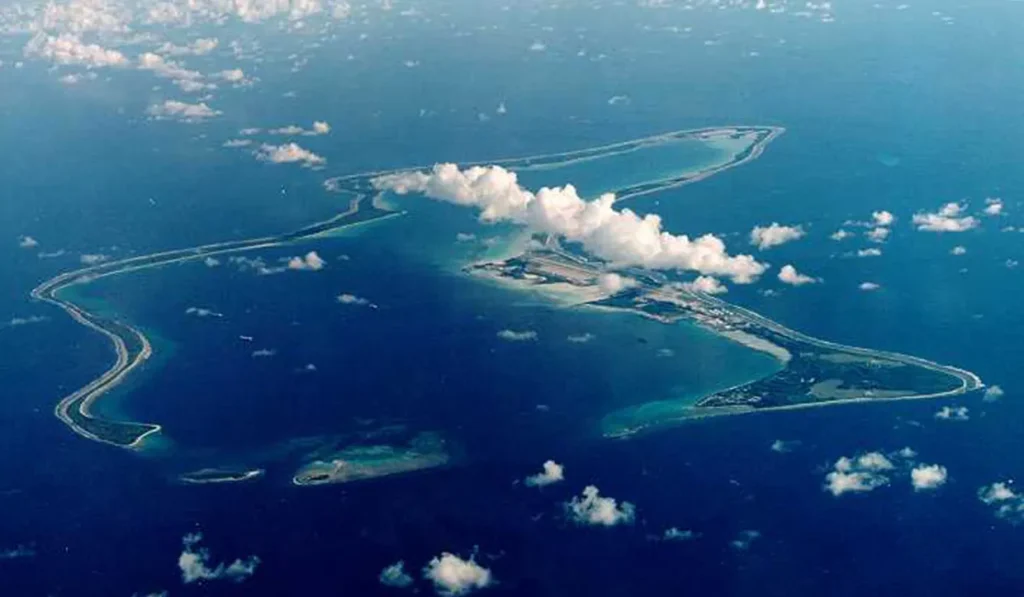
Unlike remote bases such as Diego Garcia, Sri Lanka sits within the flow of global commerce itself. This makes it not only strategically valuable but also potentially vulnerable a place where economic lifelines and military interests converge.
Untapped Potential
Despite these advantages, Sri Lanka’s full potential remains only partially realized. Geography alone does not guarantee success; it must be matched by governance, stability, and long-term strategic vision.
Countries like Singapore have demonstrated how location can be transformed into lasting influence through consistent policy and planning. Sri Lanka’s path has been more uneven, shaped by economic challenges and shifting priorities.
Yet the underlying reality remains unchanged. In a world where geography continues to shape power, Sri Lanka occupies a position that cannot be replicated. Nations may compete for influence, invest in access, or build partnerships—but the logic of the map endures.
What appears small on the surface reveals itself, upon closer examination, as profoundly central. Sri Lanka is no longer at the margins of global strategy—it sits, quietly but unmistakably, near its core