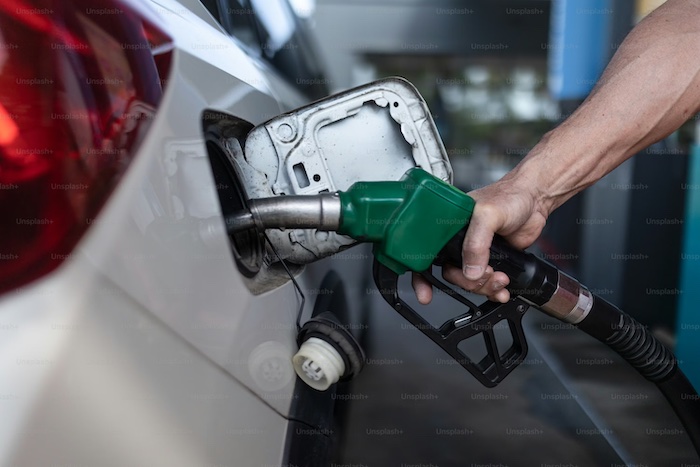
For years, Sri Lankan motorists have watched the fuel pump with near-obsessive focus – eyes fixed on the digits, trusting that what flashes on the screen is what flows into the tank.
But what if that trust is misplaced?
A NewsLine investigation, supported by insights from a senior petroleum sector insider with over three decades of experience, suggests a disturbing possibility:
In many cases, you may not be getting the fuel you pay for.
At first glance, the process appears airtight: you pay, the meter resets, the numbers climb, and the transaction ends.
But according to industry sources, the flaw lies inside the machine itself.
Inside every fuel pump is a calibration unit – the mechanism that determines how much fuel is actually dispensed. That unit can be manipulated.
For example: the pump may show 5.0 litres while only around 4.5 litres are actually dispensed.
Sri Lanka has nearly 1,200 filling stations, with almost half the fuel consumption concentrated in the Western Province.
Many pumps reportedly lack mandatory regulatory seals. Some seals are tampered with or removed, while inspections are infrequent and under-resourced.
The problem is believed to have worsened after increased competition in the sector, with cheaper pumps introduced that were not always properly certified.
Many of these pumps were designed to last five years but have now been in operation for over fifteen years.
Even without manipulation, wear and tear can result in under-delivery of fuel.
By law, every station should have a standard 5-litre testing container. In reality, many do not – or use tampered versions. This leaves consumers with no reliable way to verify what they receive.
The question now is simple: is the theft happening in plain sight?