Be that as it may, Sri Lanka’s recurring energy crises are not simply the result of global shocks. They are, in large part, the consequence of choices not made.
For years, the country has spoken about renewable energy, energy security, and diversification. Yet progress has been uneven, often slowed by policy hesitation, regulatory complexity, and competing institutional interests. The question is no longer whether Sri Lanka should move decisively toward renewable energy – but why it has not done so already.
The economic logic is straightforward.
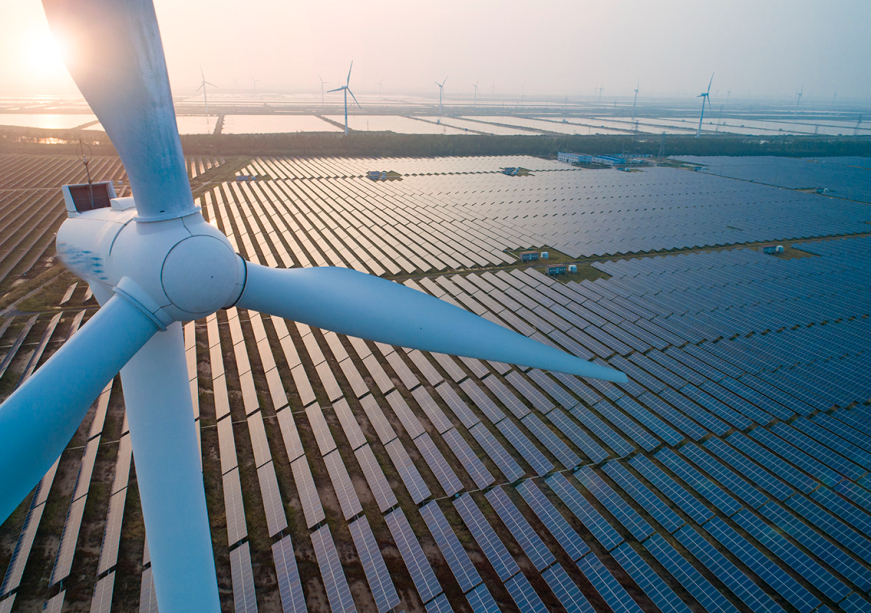
An energy system built on domestic renewable sources – solar, wind, and hydro – reduces exposure to volatile global fuel prices. It improves balance of payments stability, lowers foreign exchange pressure, and creates a more predictable cost structure for industry. In an economy as sensitive to external shocks as Sri Lanka’s, this is not an environmental preference. It is a macroeconomic necessity.
And yet, scale has remained elusive.
Part of the challenge lies in the structure of the sector. Energy supply has historically been dominated by state institutions, with private participation limited, often episodic, and sometimes constrained by shifting policy frameworks. Long-term investment requires consistency. Without it, capital hesitates.
The same question arises in relation to fuel logistics.
Sri Lanka has long possessed strategic assets – most notably the storage infrastructure in Trincomalee. Properly developed, expanded, and integrated into a broader energy strategy, such facilities could have played a significant role in buffering supply disruptions. With greater private sector participation, it is conceivable that these assets might have been modernised and utilised more effectively over time.
This is not to suggest that privatisation, in itself, is a solution. Energy is a sensitive sector, and the role of the state remains critical. But the absence of a clear, long-term framework that integrates both public oversight and private investment has left potential underdeveloped.
The result is a familiar pattern.
When global prices rise or supply chains tighten, the country reacts. When conditions ease, urgency fades. Strategic planning gives way to short-term adjustment.
Energy policy, however, does not reward short- term thinking.
It requires decisions whose benefits may only become visible years later. The cost of delay is not always immediate – but it accumulates.
And in Sri Lanka’s case, that cost has been felt repeatedly.