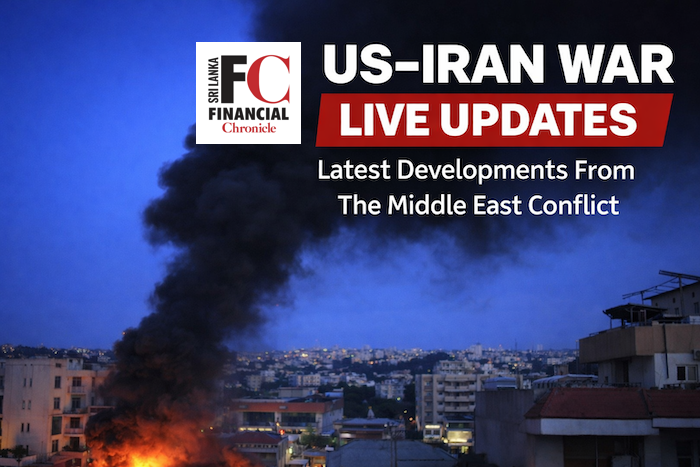
Donald Trump’s threat to consider pulling the United States out of NATO has transformed the Iran war from a regional-security shock into a direct crisis of Western alliance credibility.
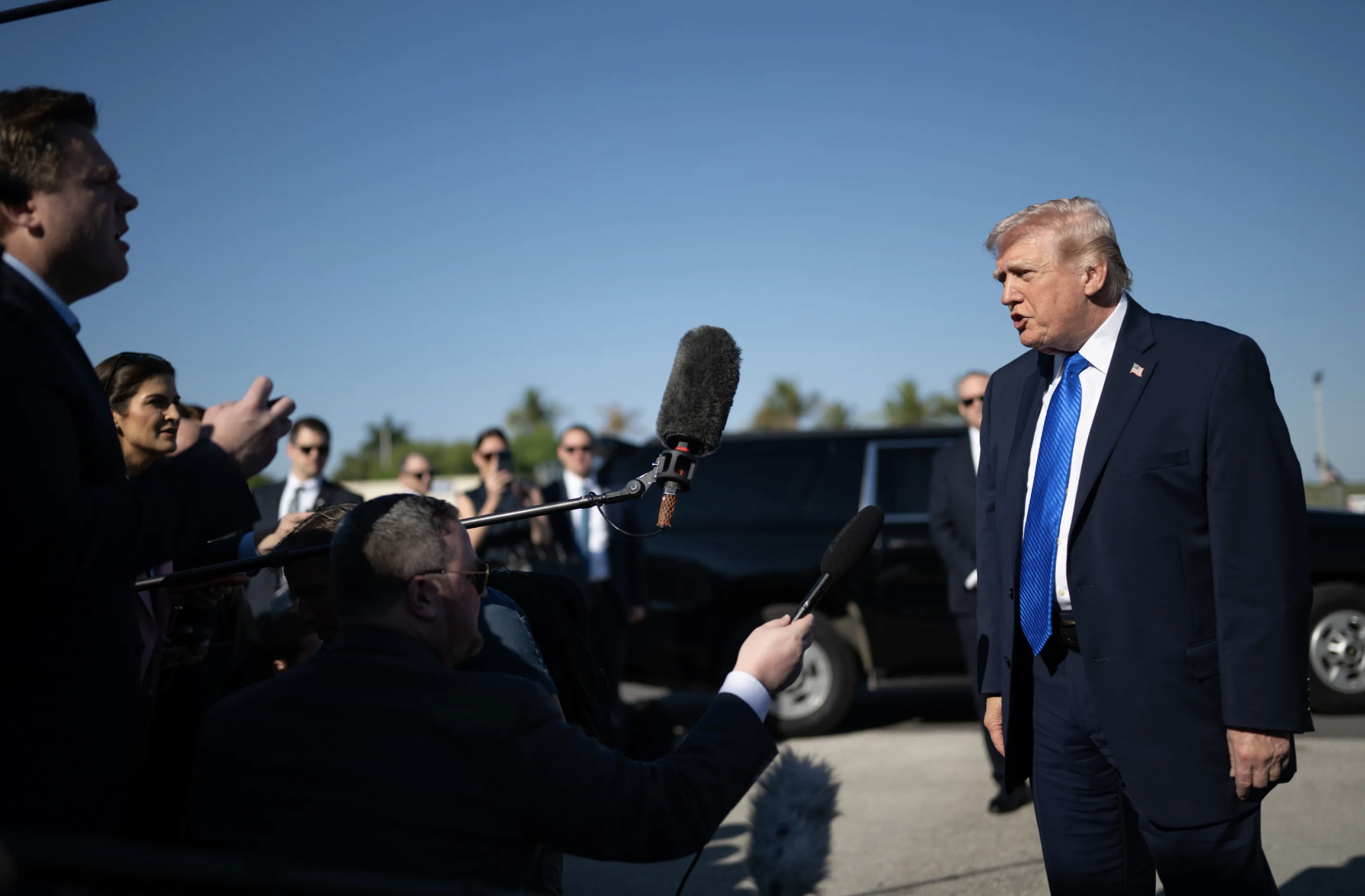
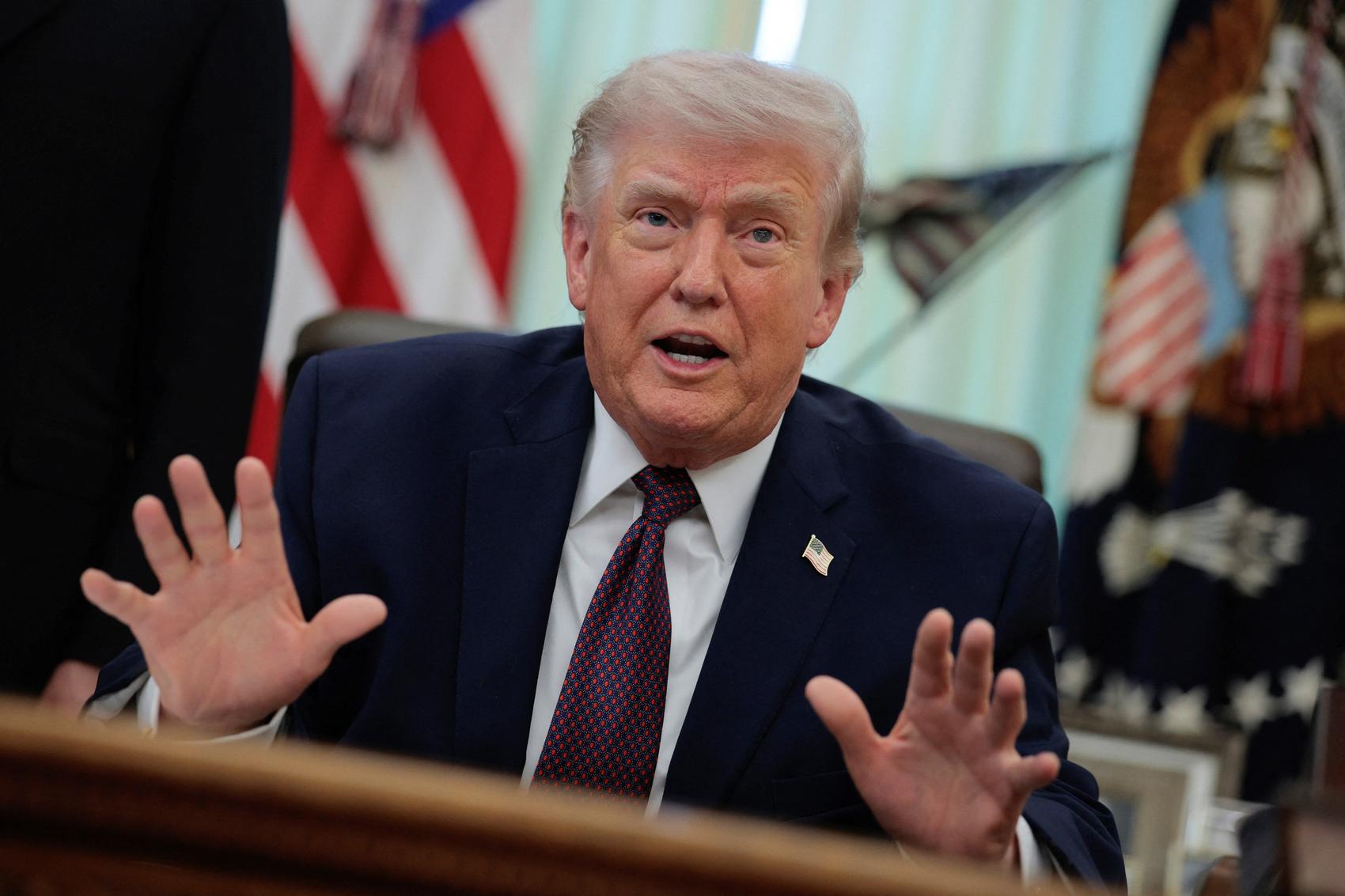
Reuters reported today that Trump has scaled up threats to leave NATO if European states do not do more to help stop Iran threatening the Strait of Hormuz. He said he would express his “disgust” with the alliance for failing to back U.S. objectives in the war, while continuing to insist that America may end its operations in Iran within two to three weeks.
That matters because the threat is not coming in a vacuum. It is arriving in the middle of a major energy disruption, with the International Energy Agency warning that supply losses in April are expected to hit harder than in March, and shortages of jet fuel and diesel already affecting Asia and likely to hit Europe next.
In that setting, Trump’s message to allies is brutally simple: help force open Hormuz or face the possibility that Washington will rethink the alliance itself. This is coercive diplomacy directed not only at Tehran, but at Europe.
European leaders, however, are trying hard not to look rattled. Reuters says European states have taken pains to appear unruffled, even as British and wider European debate has shifted sharply toward what life would look like with a less reliable Washington.
The political response from London and elsewhere has not been to echo Trump, but to start talking more openly about stronger European security coordination. This is the first sign that the war may be doing what years of speeches did not: pushing Europe to think more seriously about strategic autonomy.
That is the real significance of today’s NATO threat. It is not only about whether Trump would actually leave the alliance. It is about what the threat itself does to allied trust. Once the central guarantee of Western security becomes conditional on support for a particular war, the alliance changes in character – even before any formal withdrawal takes place.
STARMER TURNS TO EUROPE AS BRITAIN HOSTS A HORMUZ DIPLOMATIC PUSH
Keir Starmer has responded to the latest Middle East shock not by joining the war, but by trying to build a wider diplomatic and European response around it. As of today, Britain is preparing to host representatives from 35 countries for talks on reopening the Strait of Hormuz, with the U.S. not directly invited to participate. The stated aim is to assess diplomatic and political measures to restore freedom of navigation, guarantee the safety of trapped ships and crews, and restart the movement of oil, gas and fertilisers through the waterway.
That move matters for two reasons. First, it is a recognition that Hormuz can no longer be treated as a side issue to the Iran war. Around 1,000 ships are said to be stranded, and only about 130 ships have transited since the conflict began – roughly what would normally pass through in a single day. Second, it shows Starmer trying to frame Britain as a coordinator rather than a combatant. He has been explicit that this is “not our war,” but he is equally clear that freedom of navigation is in the British national interest. In short, he is trying to separate British non-participation in the war from British engagement with its consequences.
The more politically significant shift, though, is Starmer’s wider turn toward Europe. In remarks reported today, he said Britain needs a more ambitious relationship with the EU on economics and security because of the Middle East conflict and broader global volatility. He linked stronger European cooperation directly to Britain’s national interest, arguing that Brexit did real economic damage and that deeper coordination in defence, energy and the economy is now too important to ignore.
Put simply, Trump’s volatility is accelerating a European reset in London. Starmer is not choosing Brussels over Washington in formal terms. But he is clearly preparing Britain for a world in which America is less predictable, Europe matters more, and Hormuz has become the test case for whether middle powers can organise themselves when the old centre of gravity starts to wobble.