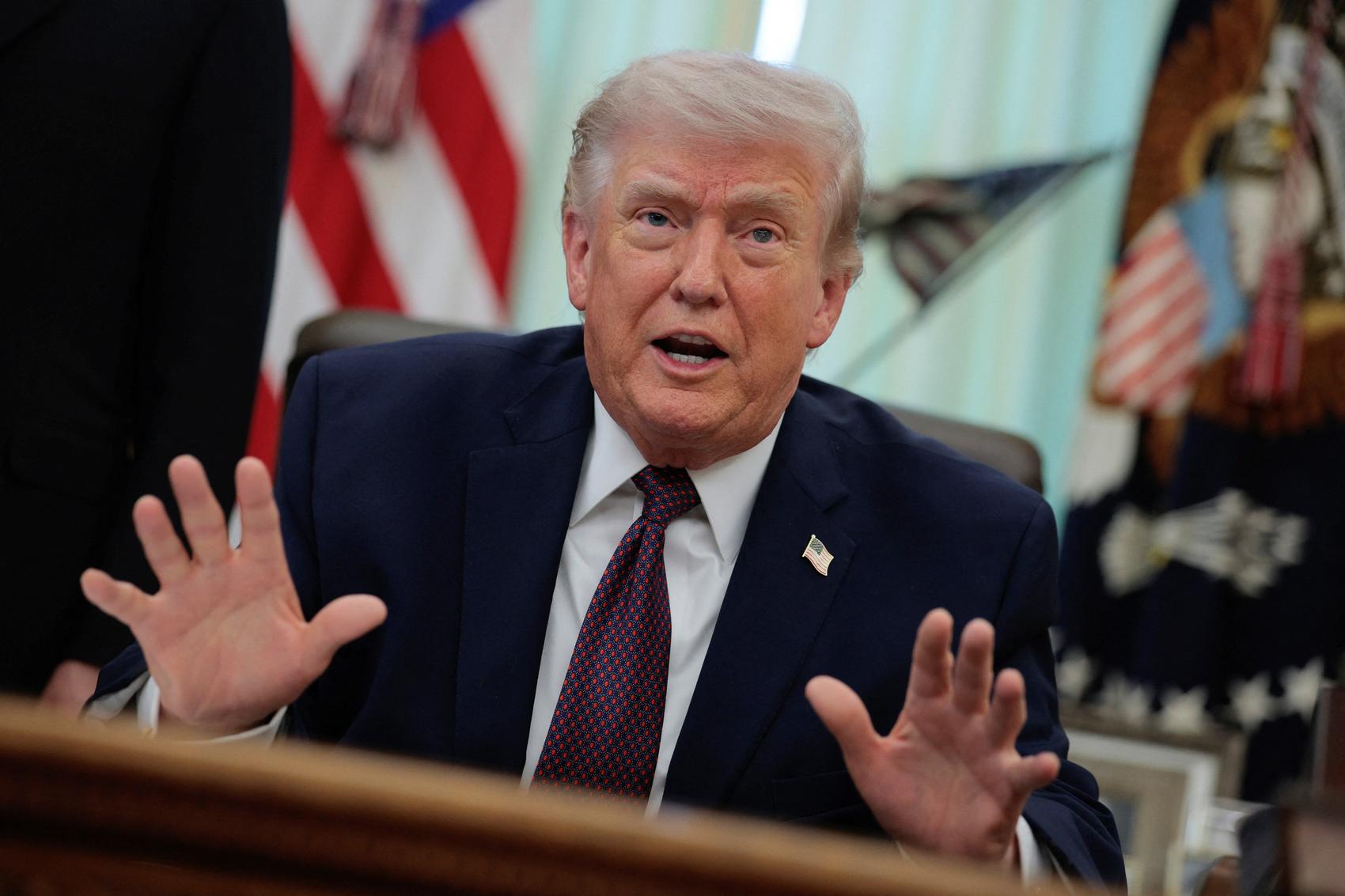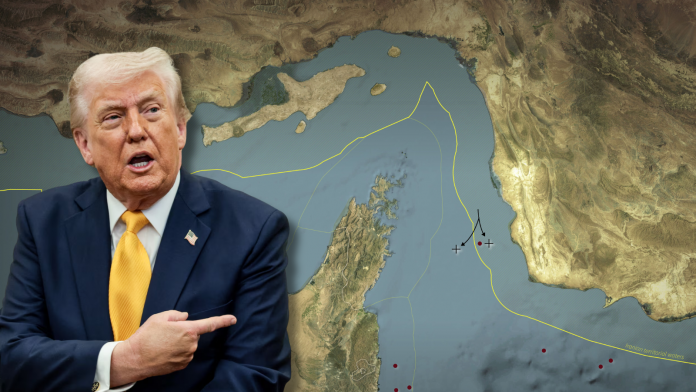
Be that as it may, the latest rupture in the Middle East crisis is no longer only military. It is now openly political – and transatlantic. U.S. President Donald Trump has effectively told European allies that if they need the Strait of Hormuz reopened, they should be prepared to do it themselves.
In comments and posts reported today, he said countries dependent on the waterway should “go to the Strait, and just take it,” while also signalling that safeguarding Hormuz is “not for us” if America steps back from the fight.
That language has landed heavily across Europe, not least because it comes after Washington helped trigger a war whose economic costs are now being exported to allies.
The reaction has been twofold: disbelief at the tone, and resistance to the strategy. France, Italy and Spain have already refused or restricted aspects of U.S. and Israeli military transit support, and European governments have made plain that forcing open Hormuz would be both militarily risky and, in some cases, legally dubious. France’s junior army minister, quoted by Reuters, said NATO operations in the strait would breach international law.
In other words, Europe is not just resisting Trump politically; parts of Europe are resisting him legally and strategically as well.
The deeper issue is that Trump’s position attempts to separate American war aims from American obligations. Washington still wants Iran forced back and Hormuz reopened, but Trump is also suggesting the U.S. may wind down operations within weeks. That leaves allies with a stark proposition: absorb the energy shock, support a military escalation they did not choose, or accept being publicly berated for refusing.
For Europe, this is now about more than oil. It is about whether the United States still sees alliance as burden- sharing – or simply burden-shifting.
And for the rest of the world, the message is equally stark: the war may have begun in the Middle East, but the diplomatic damage is now spreading westward across the Atlantic.