By Panduka Keerthinanda
As the conflict in West Asia intensifies, its ripple effects are exposing the fragility of global supply chains. For Sri Lanka, an island nation still navigating the treacherous waters of economic recovery, the crisis unfolding in the Strait of Hormuz represents a critical threat to food security a threat that is being dangerously compounded by a worsening domestic drought.
The Strait of Hormuz, a narrow waterway through which nearly 38% of the world’s crude oil and roughly a third of global urea trade passes, has become a chokepoint for survival. The disruption is not merely a geopolitical concern; it is translating directly into cancelledshipments, soaring costs, and a looming shortage of agricultural inputs that could cripple the next harvest.
For Sri Lanka’s agriculture, the most immediate danger is the collapse of the urea supply chain. Over 50% of recent urea orders have been canceled as surging costs and supply chain volatility make trade unviable. This is catastrophic for a nation where paddy cultivation and plantation crops rely heavily on this essential nutrient.
Industry export said “We are looking at a scenario where farmers may not have access to key nutrients just as the planting season approaches, If we cannot secure stocks and diversify supply sources immediately, we are staring at a massive reduction in agricultural yields.”
The crisis is compounded by Sri Lanka’s dependency on the region for fuel. With transport costs skyrocketing, the viability of exports particularly tea destined for the exports markets. This double blow to the agricultural sector threatens to undo the fragile progress made since the island’s recent financial collapse.
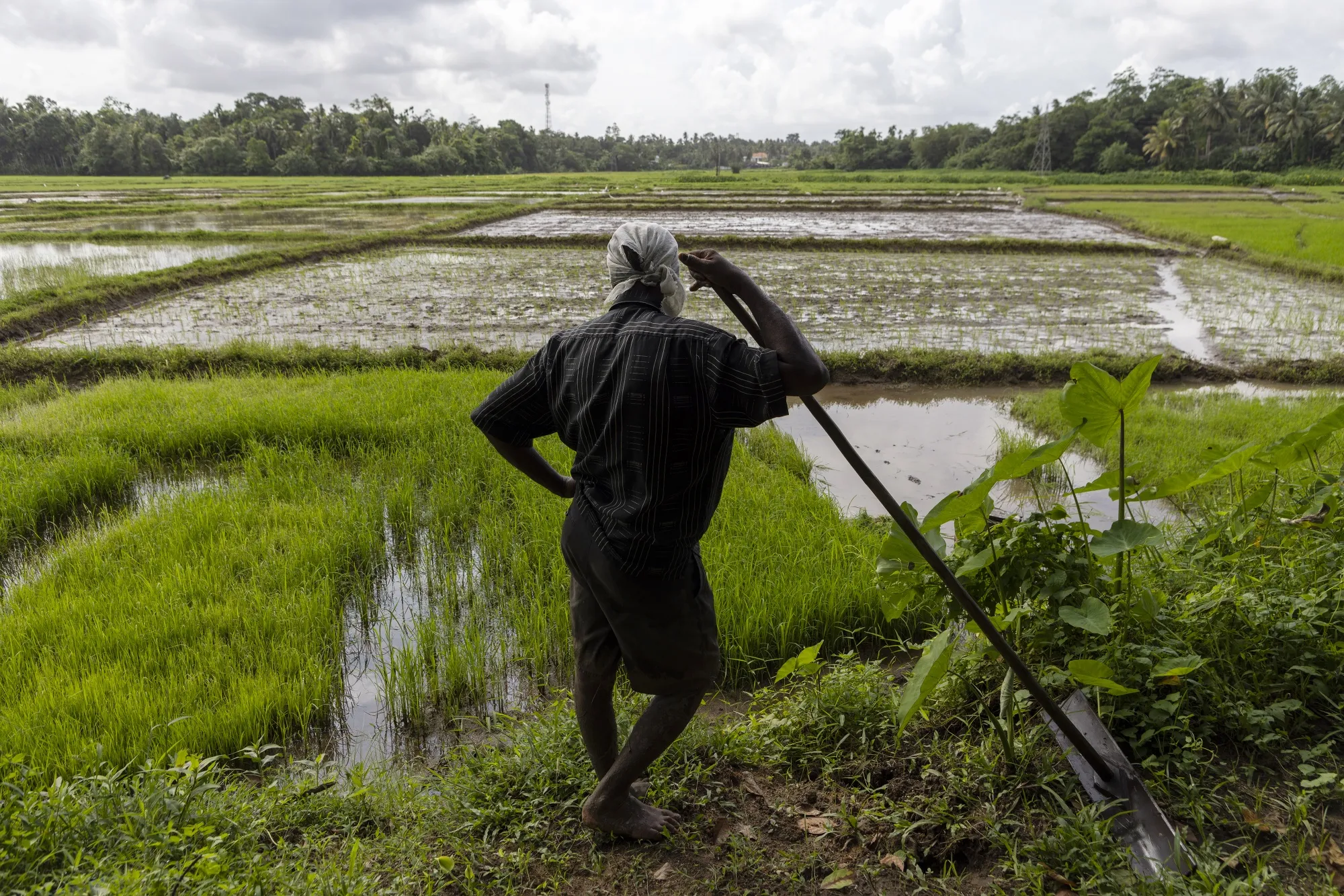
Paddy cultivation, the backbone of the national diet, is suffering from inadequate water storage and high evaporation rates. Plantation crops and dairy farming are also severely impacted due to reduced fodder availability. The crisis is acute, without urgent intervention, rural livelihoods face collapse.
Beyond agriculture, the conflict is destabilizing Sri Lanka’s external finances. The economy, still recovering from a previous financial crisis, is highly vulnerable to price shocks. Increased transport costs are endangering tea exports, a primary source of foreign currency. Simultaneously, the volatile situation threatens to disrupt remittances from Sri Lankan foreign workers in the Middle East a vital lifeline that supports hundreds of thousands of families as well as the nascent recovery in tourism.
Analysts warn that the current situation demands immediate, proactive intervention. The government must strictly enforce adherence to cultivation calendars to prevent over-expansion during water-scarce periods. Efficient management of tank and reservoir systems, alongside the promotion of drought-resistant crops, is essential to mitigate the impact of the dry spell.
However, domestic water management must go hand-in- hand with aggressive foreign policy and economic strategy. To prevent a full-blown food crisis, Sri Lanka must urgently secure strategic fertilizer stocks and diversify its supply sources away from the volatile Gulf region.
As the Middle East conflict continues without signs of abating, and with weather patterns becoming increasingly erratic, Sri Lanka stands at a crossroads. Without decisive, coordinated action to buffer the economy from external shocks and adapt agriculture to internal pressures, the nation risks sliding back into the depths of a food security emergency from which it has only recently begun to emerge.
Former Secretary to the Ministry of Finance mentioned, “We cannot control geopolitics, and we cannot make it rain, But we can control how we manage our water, our planting schedules, and where we source our food. The window to act is closing.”
The conflict in Iran and the dry weather are not isolated events. They are converging forces that threaten to push millions of Sri Lankan households back into food insecurity.
Without a proactive, diversified, and resilient strategy, we are not merely facing high prices; we are facing a preventable national catastrophe.