The International Monetary Fund (IMF) has cautioned that while addressing the immediate repercussions of the conflicts in West Asia, policymakers must remain aware of the larger global economic dynamics influenced by geopolitics and trade. The organization emphasizes the necessity of balancing fiscal sustainability with the need to support the most vulnerable populations affected by these shocks.
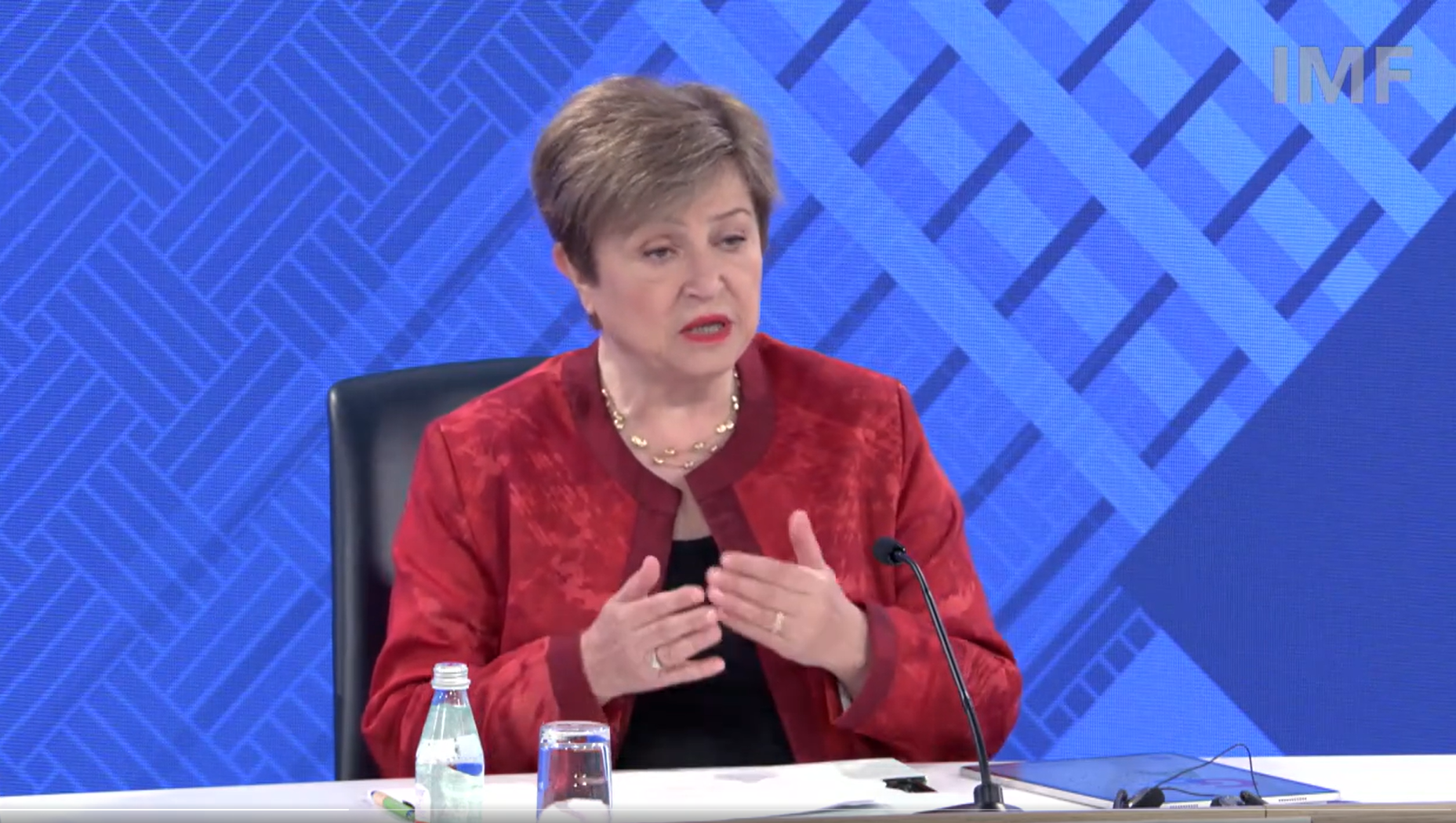
During the IMF Spring Meeting in Washington, Managing Director Kristalina Georgieva stated, “To uphold their fiscal policy credibility, policymakers must navigate the delicate balance between ensuring fiscal sustainability and aiding those most impacted who have limited capacity to respond.” She noted that many nations have refrained from implementing broad tax cuts, energy subsidies, and price controls, although some are beginning to adopt such measures without targeting specific groups.
Georgieva pointed out that while the intentions behind these actions may be positive, they could inadvertently prolong the hardships associated with elevated prices. She urged policymakers to pursue structural reforms aimed at enhancing productivity and economic growth, asserting that a robust economy serves as the best safeguard against economic shocks. The adverse effects of the conflict have not been evenly distributed, with energy-importing nations, particularly those with constrained policy options, facing the brunt of the difficulties. Often, these are low-income or unstable economies.
In her address, Georgieva expressed her concerns regarding the ongoing situation in the Middle East, hoping for a lasting peace following the current ceasefire. She highlighted that the implications for global economies are already significant, even if the conflict is brief. The destruction of infrastructure and disruptions in supply chains are contributing to rising prices and a slowdown in global growth, which is projected to decrease from 3.4 percent last year to 3.1 percent by 2026. Should the conflict endure and oil prices remain high, the world must prepare for even more challenging times ahead.
The IMF’s World Economic Outlook presents various scenarios, indicating that in the worst-case scenario, growth could plummet to two percent, affecting all countries due to increased energy costs. However, the negative consequences are particularly severe for nations reliant on energy imports and with limited fiscal flexibility, often those with lower income levels or fragile economies that require urgent attention.
Georgieva offered guidance to member countries navigating these turbulent times, emphasizing the importance of maintaining macroeconomic and financial stability in the short term. While governments often seek to assist businesses and individuals facing external supply shocks, she advised caution in adjusting monetary policies. For countries with well-calibrated monetary policies prior to the shock, a “wait and see” approach is recommended, while others may need to act swiftly on fiscal matters.
Highlighting the current fiscal landscape, she noted that global public debt is projected to exceed 100 percent of GDP by 2029, a level reminiscent of post-World War II periods. This cumulative impact of various shocks has strained fiscal capacities, necessitating a careful approach to fiscal policy that balances sustainability with immediate support for those most affected.
Georgieva commended the majority of countries for avoiding broad tax cuts and subsidies, yet warned against the implementation of untargeted measures that could exacerbate price inflation. As policymakers respond to the immediate impacts of the crisis, they must remain attentive to long-term economic trends driven by geopolitics, trade, technology, demographics, and climate change. Accelerating growth-oriented reforms is essential for building resilience against future shocks.
As the IMF continues to fulfill its role in providing global policy support, it anticipates a demand for financial assistance ranging from $20 billion to $50 billion, addressing existing programs and new requests from several countries, including those in Sub-Saharan Africa. Close coordination with the World Bank, the International Energy Agency, and regional partners aims to optimize the collective response to these challenges.
In light of the shifting economic landscape, the IMF is reviewing its program designs and policies to enhance the advice offered to member nations, including efforts to support sovereign debt management. As uncertainty looms, the IMF remains committed to helping its members prepare for potential turbulence ahead.