
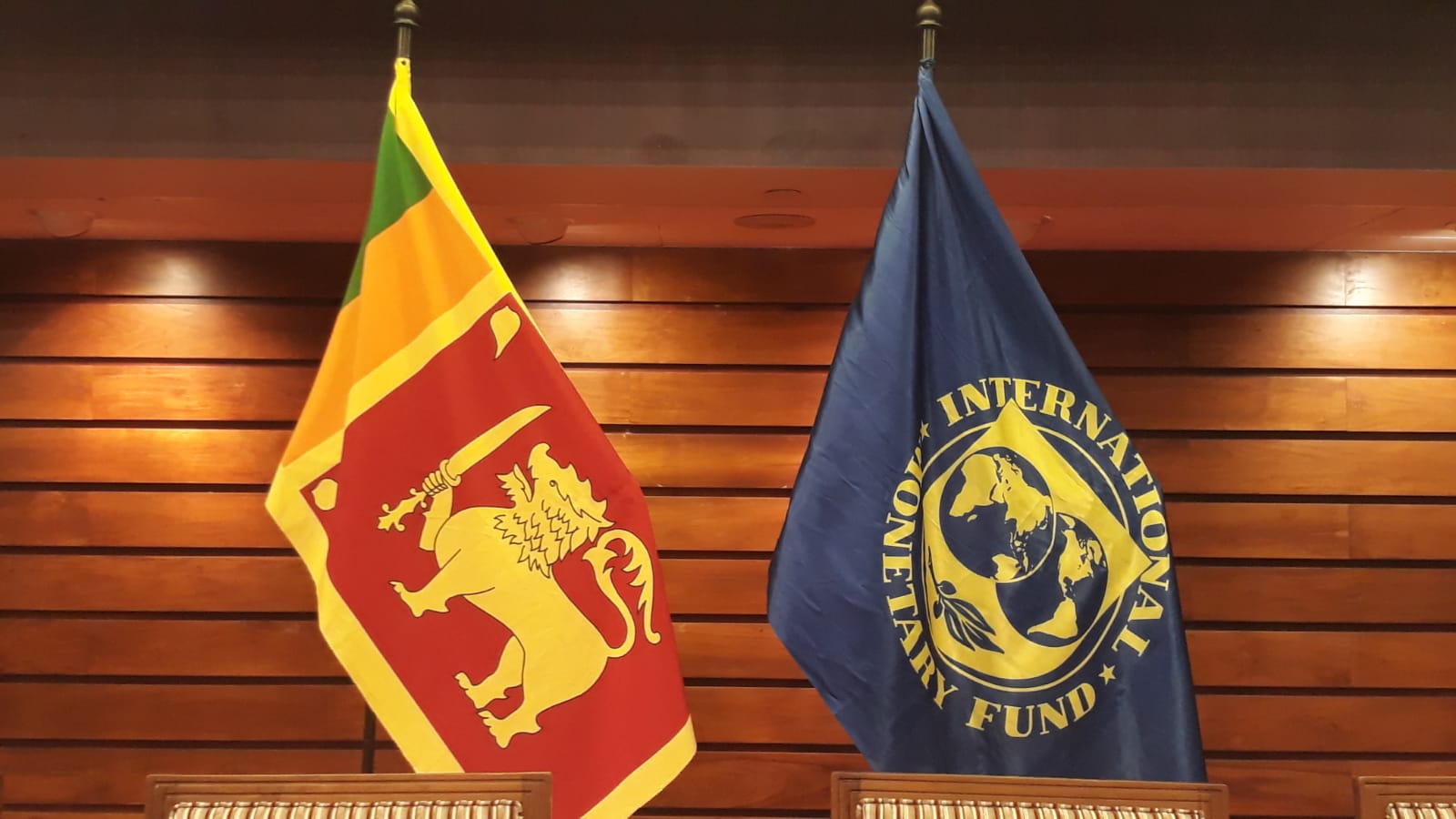
The Executive Board of the International Monetary Fund (IMF) has approved emergency financing for Sri Lanka under the Rapid Financing Instrument (RFI), granting the country immediate access to approximately US$206 million. This funding aims to assist Sri Lanka in addressing urgent fiscal and balance-of-payments needs following the devastating impact of Cyclone Ditwah on November 28.
The RFI will support Sri Lanka’s efforts to manage the aftermath of the cyclone, which has resulted in significant humanitarian and reconstruction challenges. The disaster claimed more than 600 lives, displaced over 100,000 people, and caused widespread destruction to infrastructure and livelihoods. In response, the government has implemented a relief package, underpinned by strong fiscal performance in 2025. The Central Bank of Sri Lanka is prepared to provide liquidity support to the financial system if necessary.
The IMF’s emergency support comes as Sri Lanka continues to pursue its economic reform program under the Extended Fund Facility (EFF). The Fifth Review under the EFF, which was nearing completion at the time of the cyclone, has been deferred to allow time for a comprehensive assessment of the cyclone’s impact and to determine how the IMF-supported program can best assist in recovery and reconstruction. An IMF mission team will visit Sri Lanka in early 2026 to resume discussions.
IMF Deputy Managing Director and Acting Chair, Mr. Kenji Okamura, acknowledged the scale of the disaster and its repercussions, stating, “The disaster has created urgent humanitarian and reconstruction needs, generating significant fiscal pressures and balance-of-payments needs. The emergency financial support provided by the IMF under the RFI will help address these pressures.”
He emphasized the government’s commitment to fiscal prudence and transparency, noting that all emergency spending will comply with the Public Financial Management Act and be subject to enhanced monitoring and regular public reporting. The Central Bank will continue to refrain from monetary financing of the budget.
While Sri Lanka is showing signs of recovery from a deep economic crisis, the economy remains vulnerable, and GDP has yet to return to pre-crisis levels. The IMF highlighted the importance of sustained adherence to reforms, which have contributed to a robust economic recovery, price stability, improved fiscal consolidation, and the rebuilding of foreign exchange reserves.
The IMF and Sri Lankan authorities remain in close contact and will resume formal discussions as soon as possible. The IMF reiterated its support for Sri Lanka during this challenging period and affirmed its commitment to the country’s recovery and reconstruction efforts.

Leave a Reply