
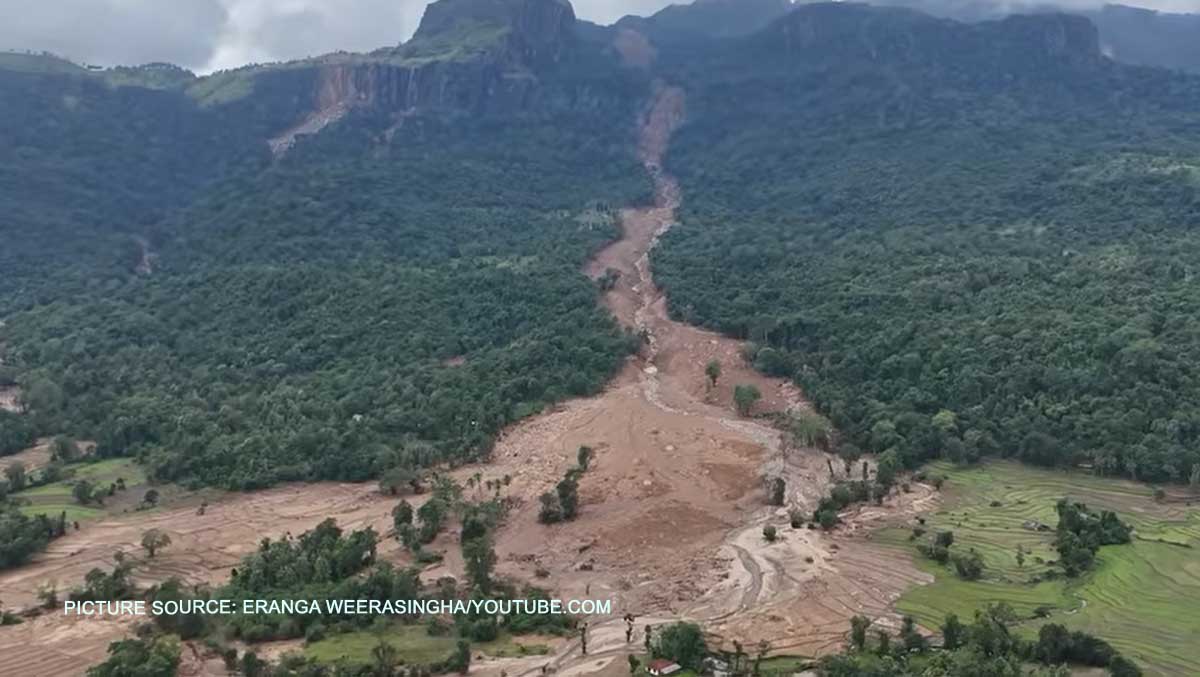
Sri Lanka’s gross domestic product in 2026 is expected to face a significant setback due to Cyclone Ditwah, but officials anticipate that the impact will be at least partially mitigated by reconstruction efforts and the rapid normalization of economic activities.
IMF Mission Chief Evan Papageorgiou noted that the loss of output is likely to be contained within the first quarter, although he emphasized that more time and data are required to fully assess the situation.
“This is something we have to carefully examine, especially as the response unfolds,” Papageorgiou said. “There is a high degree of uncertainty, and I hope you can understand this. Our preliminary estimate—emphasis on preliminary—is that growth will likely take a short-term hit. That could mean one quarter, or potentially even less. However, it’s important not to equate the drop in growth rate directly with economic loss, which is expected to be substantial.”
The IMF will monitor high-frequency indicators such as tourism arrivals and electricity output to track the pace of recovery. Cyclone Ditwah destroyed approximately 108,000 hectares of paddy, mainly in low-lying areas, but most of this land can be replanted. The cyclone brought much of the country to a halt, with widespread flooding leading to a cessation of normal commerce and the destruction of shop inventories in several towns.
Deputy Minister of Economic Development Nishantha Jayaweera stated that it is too early to assess the impact on value-added tax collections, although excise revenues appear to have weakened. Some distilleries were submerged, and around two million people were displaced by the disaster.
Deputy Minister of Finance and Planning Anil Jayantha reported that there are currently no reliable measures of the actual output loss. “The economic loss will depend on how quickly the economy rebounds,” added Minister Fernando. “If activity resumes swiftly, the overall loss will be less.”
The government has announced a series of compensation measures to help restore agriculture, animal husbandry, and small and medium-sized industries. An assessment of the damage by the World Bank is expected soon, which should provide more accurate data. While domestic tourism has stalled and foreign tourism has declined somewhat, industry officials report that hotels on the South Coast remain fully booked. Most major roads have been cleared, and the government plans to spend an additional 500 billion rupees, supplemented by some foreign funding. Authorities have collected extensive data on infrastructure, business, and personal losses.
When calculating GDP, the loss of capital stock is not included, but reconstruction activities contribute positively to GDP. “Reconstruction will add to growth, similar to the concept described in the broken window fallacy,” Minister Jayantha explained, referencing the economic parable by Jean-Baptiste Say. While reconstruction spending boosts GDP, it only replaces some of the lost capital stock rather than expanding it.
Minister Fernando stated that the government aims to rebuild with improved infrastructure. Plans include reinforcing roads and relocating people from landslide-prone areas, with compensation intended to provide better housing for the most vulnerable. “Construction is likely to support growth during the rebuilding phase, and due to the scale of the damage, this will add significantly to GDP,” Papageorgiou said. “However, this does not mean the country has not experienced a severe economic shock.”
One concern with disaster-related spending is that funds used for reconstruction are diverted from other potential investments that could have expanded the country’s capital stock. This point was emphasized by Say in his original parable.
Papageorgiou also warned that Sri Lanka may experience higher prices due to supply shocks. “We expect higher inflation in the short term, driven by shortages in select food items and disruptions in supply chains due to damaged infrastructure and import constraints. The current account deficit is also likely to widen over the next six to twelve months due to increased food and construction imports, decreased agricultural exports, and potentially reduced tourism earnings.”
Sri Lanka has a history of balance of payments challenges dating back to 1952, after the central bank shifted from its initial deflationary policy. In recent years, Sri Lanka’s growth has generally outpaced the IMF’s conservative projections, especially during periods of monetary stability. However, the country has also faced economic volatility linked to stimulus measures and high inflation targets following the end of the civil war.