
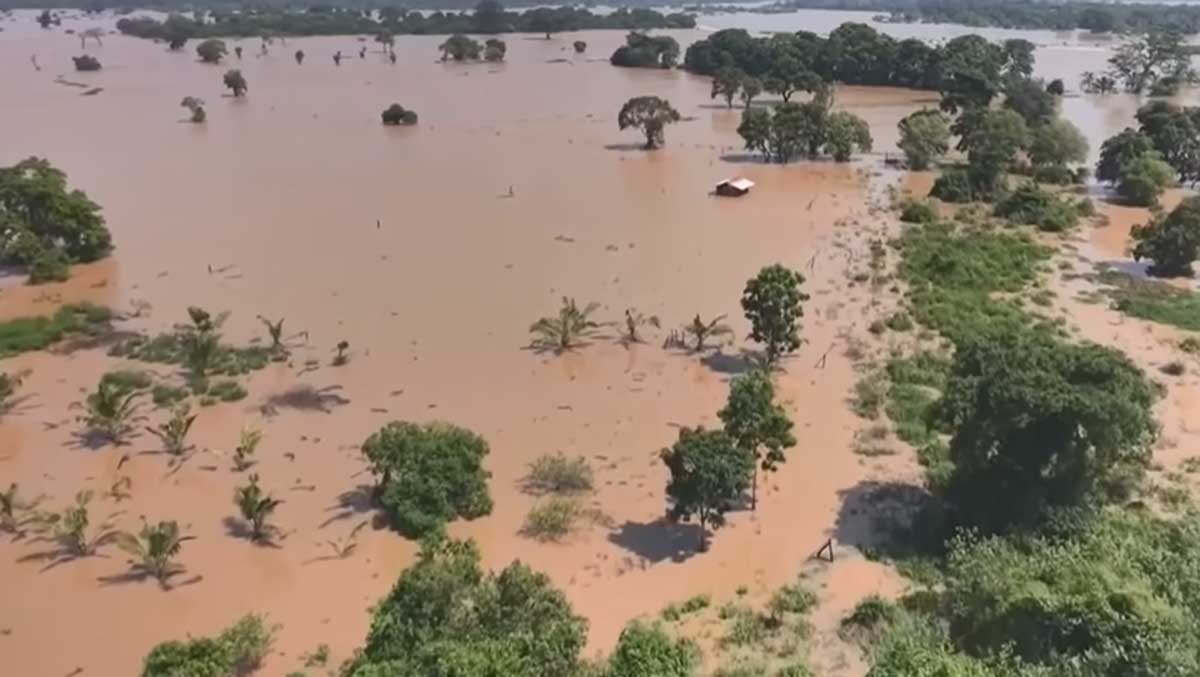
Sri Lanka should consider issuing debt instruments with climate clauses that suspend debt service obligations in the event of natural disasters, according to Colombo-based think tank Centre for a Smart Future. The recommendation comes in the aftermath of Cyclone Ditwah, which highlighted the country’s vulnerability to climate shocks.
While Sri Lanka’s current debt path is largely determined by its ongoing programme with the International Monetary Fund (IMF), the recent cyclone has emphasized the importance of flexibility in future debt arrangements. “As Sri Lanka plans its gradual return to international capital markets post-restructuring, we must recognise the need for future debt instruments to incorporate climate-contingent mechanisms,” wrote Anushka Wijesinha, Co-founder of the Centre for a Smart Future, in a recent opinion piece.
Climate Resilient Debt Clauses (CRDCs) enable the automatic postponement of debt service payments when specified climate disasters occur. These clauses originated as “hurricane clauses” pioneered by Caribbean nations during debt restructurings. For example, Grenada’s 2015 hurricane bond was triggered in late 2024, allowing the suspension of US$12 million in interest payments.
Major multilateral development banks, including the World Bank, Inter-American Development Bank, and Asian Development Bank, now offer CRDCs to eligible countries. Typically, these clauses allow for two-year deferrals of principal and/or interest payments when pre-established parametric triggers—such as the occurrence of a specific natural disaster—are met.
Jamaica provides another example through the use of catastrophe bonds. In April 2024, Jamaica issued a US$150 million catastrophe bond via the World Bank. The bond covered four hurricane seasons through December 2027 and was structured with parametric triggers based on storm intensity and location. When Hurricane Melissa struck Jamaica as a Category 5 storm in late October 2025, the bond’s conditions were met, resulting in a full US$150 million payout to the Jamaican government.
“This capital arrived within days—not months or years—providing immediate resources for emergency response and early recovery without requiring new borrowing, lengthy negotiations with creditors, or budget raids on development programmes,” Wijesinha explained. He further clarified that a catastrophe bond is not a loan but rather pre-funded insurance. “When the parametric trigger is met, investors forfeit their principal, which flows to Jamaica. If no qualifying storm occurs during the coverage period, investors receive their principal back at maturity. This structure means Jamaica never ‘repays’ the payout—it’s genuine fiscal relief precisely when needed most.”
Sri Lanka’s National Insurance Trust Fund previously offered disaster relief financed by government premiums. However, the programme was discontinued after premium payments were halted due to underwriting concerns.
Historically, cyclones making landfall in Sri Lanka are relatively rare, with only 16 such events recorded over approximately 125 years. Most cyclones originating in the Bay of Bengal typically strike India and Bangladesh each year, with only storms on unusual trajectories reaching Sri Lanka. Cyclone Ditwah was particularly rare, following a slow South-North path after forming close to the island.
(Colombo/Dec22/2025)