
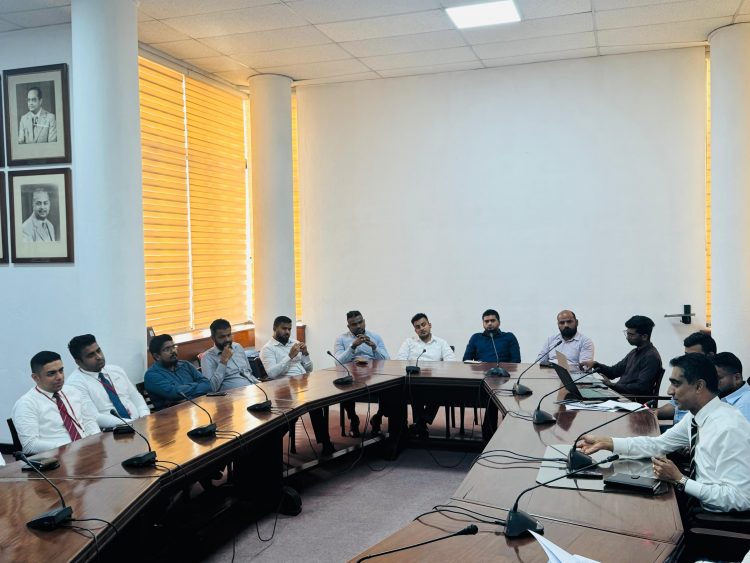
Sri Lanka’s laptop and computer equipment market is undergoing significant changes due to a surge in illegal imports, counterfeit products, and used devices entering the country without proper oversight, according to warnings from industry leaders at a recent discussion organized by the Federation of Information Technology Industry Sri Lanka (FITIS).
During the discussion, participants disclosed that in some categories, as much as half of the laptops, desktops, monitors, and accessories available in the market are either smuggled through unauthorized channels or imported as used equipment. These products frequently arrive with undervalued declarations or without the appropriate taxes paid, making them substantially cheaper than genuine goods sold by authorized sellers.
Although these lower prices may seem appealing to consumers, industry representatives emphasized the significant risks involved. Many of these laptops are sold without genuine operating systems, and pirated software is often installed locally before sale. This practice exposes users to legal liabilities, cybersecurity threats, and potential software malfunctions, while also depriving them of critical updates, data protection, and long-term system reliability. Furthermore, most of these devices lack valid manufacturer warranties, leaving buyers with little or no protection in the event of product failure. In some instances, customers unknowingly purchase counterfeit or refurbished items presented as new, with limited means to verify their authenticity.
This growing issue is also inflicting severe harm on legitimate businesses that comply with regulations, pay full taxes, and provide proper after-sales support. With illegal importers able to undercut prices by 25–30 percent, authorized dealers are struggling to compete. This has led to declining investments, job losses, and a reduction in service quality across the formal sector.
Beyond the commercial implications, the situation is escalating environmental concerns. A significant influx of older laptops, desktops, and monitors is entering Sri Lanka without a national electronic waste management system in place. Many of these devices quickly reach the end of their usable life and are discarded without proper recycling, contributing to the country’s growing e-waste problem.
Industry leaders also highlighted weaknesses in the monitoring of imports. The lack of clear information on authorized importers for specific brands makes it difficult for authorities to track what is entering the country. Additionally, large quantities of devices are reportedly brought in via passenger luggage, further evading regulatory oversight.
In response to these challenges, FITIS has been collaborating with technology brands, distributors, retailers, and other industry stakeholders to assess the full extent of the problem and coordinate an industry-wide response. The organization is working to serve as a central platform, bringing together all affected parties to ensure that concerns from across the IT hardware value chain—from global brands to local retailers—are accurately represented and addressed at a national level.