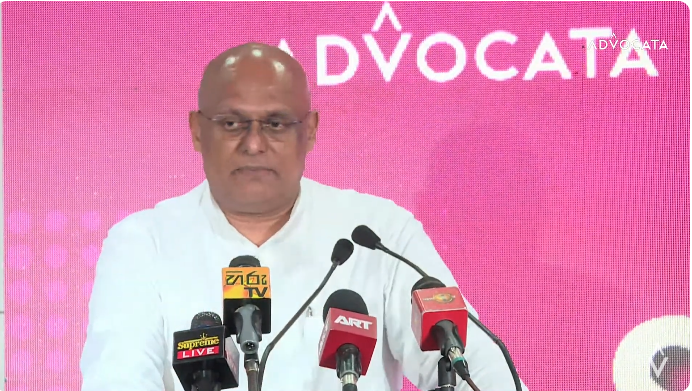


The vehicle market in Sri Lanka has been significantly affected by Cyclone Ditwah, resulting in a 50% drop in sales as many customers are unable to proceed with their car purchases, according to Prasad Manage, President of the Ceylon Automobile Importers Association.
Manage explained that customers in Kandy and various other regions are unable to complete previously initiated purchases. Importers are also facing a monthly penalty of 3% on vehicles that remain unsold for over three months. “When your house is flooded, buying cars is no longer a priority,” Manage stated. “Sales have decreased by approximately 50%.”
He further noted that customers are approaching importers to request the return of their advances due to financial difficulties, leading importers to comply and return these advances. Although Manage did not provide industry-wide statistics, he acknowledged that most importers are encountering this issue.
“We are also victims of the cyclone,” Manage remarked, adding that they have requested relief from the 3% penalty and are seeking a six-month extension. “We do not have the margins to pay the penalty. Additionally, we are bearing the burden of interest on import loans, which is around 10%.”
Sri Lanka enforces various economic controls on the populace, including exchange and import controls, as macro-economists attempt to manage external instability. In the country, macro-economists have propagated a Mercantilist perspective, suggesting that currency and balance of payments issues stem from imports (current account deficits) rather than open market operations and inherent flaws in the central bank’s operating framework.
Critics have noted that Sri Lanka’s exchange and import controls highlight a lack of accountability from the central bank for external issues created by rate cuts, direct liquidity injections through monetization of government or bank assets, or denied convertibility following excessive purchases. Despite current account surpluses, Sri Lanka’s rupee depreciated in 2025, particularly after a rate cut in May.
Although car imports contributed to increased tax revenues in 2025, the market had already begun slowing, and prices were declining even before Cyclone Ditwah. The initiation of new letters of credit and car import volumes have decreased, while the rupee continues to depreciate amid selective convertibility denial to private citizens.
(Colombo/Dec28/2025)