
Three-wheeler drivers across Sri Lanka have voiced strong opposition to app-based ride-hailing platforms, particularly PickMe, accusing the service of severely undermining their livelihoods and destabilising the country’s traditional transport sector. What began as isolated complaints in tourist hubs has now evolved into a nationwide grievance shared by thousands of self-employed drivers.
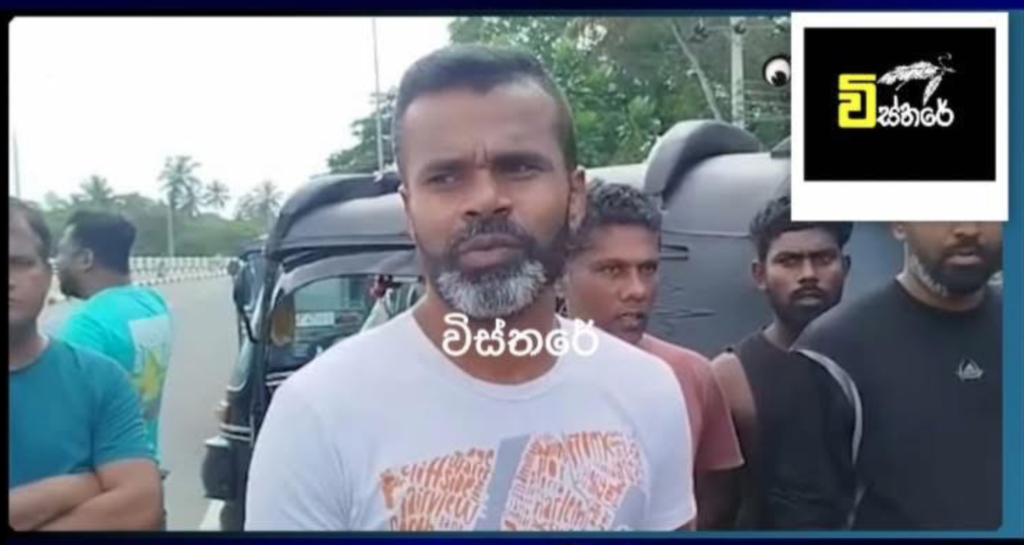
From the collective perspective of three-wheeler drivers, PickMe has created an uneven and unfair operating environment by allowing app-based drivers—often from outside local areas—to function freely in established taxi stands and high-demand zones. Drivers allege that these operators aggressively pick up passengers, especially foreign tourists, directly from areas traditionally reserved for local drivers, leaving them without work even after waiting for long hours.
Why Govt should take-over PickMe?
Sri Lanka must retain control over key strategic assets and essential services. App-based transport platforms like PickMe and Uber operate no differently from private bus operators of the past and history shows that when public interest is at stake, state intervention becomes necessary.
Uber contributes to foreign exchange outflows, while local platforms like PickMe have increasingly drawn criticism over unfair treatment of drivers through high commissions and lack of social protection. Nearly 3–4 million people are directly and indirectly dependent on the transport ecosystem, making this sector far too important to be left entirely to profit-driven models.
A government-owned or government-controlled national ride-hailing platform, similar in spirit to the CTB, could protect livelihoods, retain revenue locally, and align transport services with national economic priorities. Transport is a strategic public service — not just a tech business.
Loss of Dollar Inflows
Drivers further complain that PickMe’s low-fare pricing model has drastically reduced earnings across the sector. They argue that the platform promotes unsustainably cheap transport services, pushing traditional drivers into economic distress. According to them, this pricing structure also negatively impacts the national economy, as tourists are able to save foreign currency and take it back to their home countries instead of spending it locally, resulting in a loss of valuable dollar inflows.
Serious concerns have also been raised regarding the conduct of some app-based drivers. Three-wheeler drivers claim that when disputes arise, multiple vehicles arrive rapidly to intimidate local drivers and assert dominance. They allege that app-based drivers often behave arbitrarily while claiming government registration, creating fear and tension within local transport communities, particularly in tourism-driven regions.
From the standpoint of three-wheeler drivers islandwide, PickMe is not viewed as a neutral technological advancement but as a corporate platform that benefits a limited group while marginalising long-standing local service providers. They strongly condemn PickMe for operating without adequate regulation, failing to protect traditional livelihoods, and contributing to growing social and economic unrest within the transport sector.
Government Intervention
As a solution, drivers are calling for immediate government intervention. Proposals include placing platforms such as PickMe under strict regulatory control, integrating them into a state-managed national taxi service, or allowing traditional three-wheeler drivers to be absorbed into a government-run system with standardised fares and equal access to passengers.
Drivers warn that if the government fails to act swiftly, the situation could escalate. Three-wheeler associations across Sri Lanka have indicated their readiness to launch coordinated, large-scale protests in the coming period, insisting that protecting local livelihoods, ensuring fair competition, and safeguarding national economic interests must take priority over unregulated digital transport platforms.