
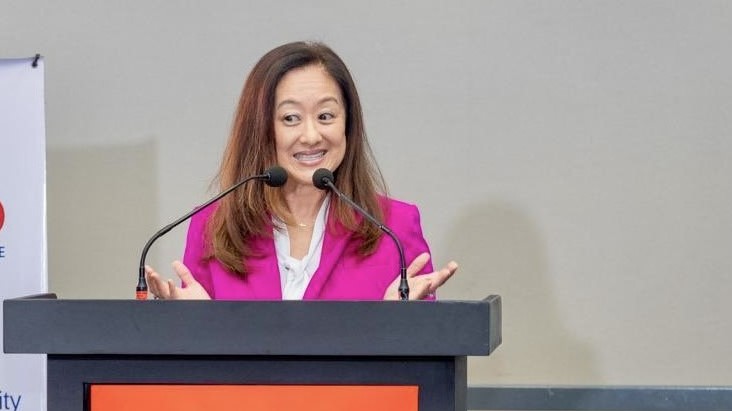
Julie Chung, the U.S. Ambassador to Sri Lanka, is set to depart next week after a notable tenure of nearly four years, leaving behind a legacy of active and influential diplomacy. Arriving in February 2022 during Sri Lanka’s most severe economic crisis since its independence, Chung navigated a challenging landscape marked by protests, political upheaval, and recovery efforts. Her approach, which combined high-level engagements, public diplomacy, and grassroots outreach, often sparked debates regarding the extent of U.S. influence on Sri Lankan policies. While some critics accused her of overreaching, her supporters lauded her efforts to foster stability and counter foreign influences.
Chung’s tenure was marked by active engagements, characterized by her unrestricted access to and frequent meetings with Sri Lanka’s political elite, civil society, and business leaders. From the outset, she engaged with a wide range of figures, including then-President Gotabaya Rajapaksa, Prime Minister Ranil Wickremesinghe, and opposition leaders like Anura Kumara Dissanayake (AKD) of the Janatha Vimukthi Peramuna (JVP). In May 2022, amid the economic crisis, she discussed reforms with economists and policy experts, emphasizing sustainable growth. Post-2024 elections, she met with figures such as President Dissanayake to advocate for maritime cooperation and economic priorities, thereby directly influencing policy dialogues.
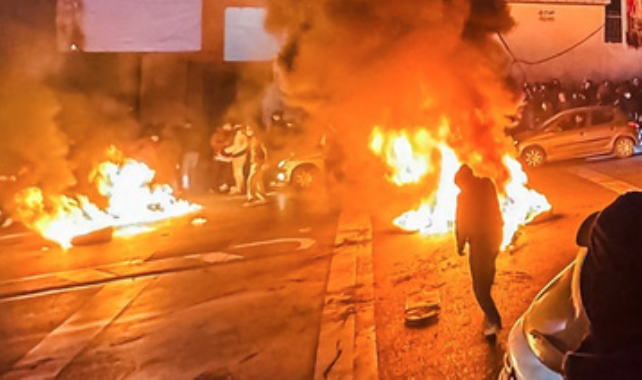
Chung’s involvement during the 2022 Aragalaya protests, which were triggered by economic hardships, was significant. She publicly supported peaceful demonstrations, tweeting in April 2022 that “Sri Lankans have a right to protest peacefully.” Sources suggest her influence on Gotabaya Rajapaksa helped prevent harsher suppression, contributing to the movement’s success in ousting the Rajapaksa government. In her meetings with AKD and other leaders, she aligned with U.S. calls for democratic expression and condemned the Prevention of Terrorism Act (PTA) arrests of protesters, urging adherence to human rights standards. This positioned the U.S. as a defender of freedoms and influenced the government’s response, fostering ties with emerging leaders like the JVP/NPP.
Upon her arrival, Chung faced significant anti-American sentiment, a residue from perceived U.S. interference during the Maithripala Sirisena era. She countered this through aid and public engagement, with the U.S. providing $20 million in humanitarian assistance in 2022, along with $150 million for private initiatives and $80 million for renewable energy projects. Chung emphasized partnership over dominance, helping to soften sentiments by 2026 through initiatives like the return of the Peace Corps and educational programs. Her response to Cyclone Ditwah in December 2025, which included $2 million in aid and airlifts, further enhanced the U.S. image.
Chung’s influence was also evident in the cancellation of a proposed Russia-India joint venture for managing Mattala Rajapaksa International Airport. The deal faced legal challenges and U.S. concerns over Russian involvement amid sanctions. Critics allege Chung influenced the NPP’s decision to cancel the venture, aligning with U.S. preferences for non-Russian partnerships in strategic infrastructure.
Throughout her tenure, Chung faced criticism, notably from then-President Wickremesinghe, over her condemnation of the July 2022 raid on Galle Face protesters. Chung drew parallels to U.S. events like the Capitol riot, prompting Wickremesinghe to retort by urging her to “read your own history.” This exchange underscored tensions, with Wickremesinghe defending his tactics while Chung emphasized the rights of peaceful protest.
Chung’s grassroots engagement was extensive, as she visited numerous locations across Sri Lanka, engaging with communities and listening to diverse viewpoints. She participated in forums like the Young South Asian Leadership Initiative and English programs, empowering local leaders through events such as the Women Organized for Inclusion conference in 2024. Her hands-on approach, including unloading aid with the Air Force post-cyclone, built trust at the local level.
Chung frequently expressed affection for Sri Lanka, climbing Adam’s Peak and praising the nation’s spirit. In her farewell, she declared, “I have loved every moment of my time in Sri Lanka.” Her decision to tattoo Sri Lanka’s map on her leg in 2025 sparked debate but underscored her attachment to the country. She honored cultural icons and celebrated key milestones, such as the 75th anniversary of U.S.-Sri Lanka ties.
Throughout her tenure, Chung adeptly utilized social media to humanize U.S. diplomacy, amassing nearly 100,000 followers on X (formerly Twitter). She announced aid initiatives, promoted renewable energy, and supported democratic movements, while also addressing misinformation and promoting truthful narratives. Her efforts shifted perceptions from “interference” to “support,” emphasizing collaboration in various sectors, including technology and humanitarian aid.
As Julie Chung departs, her transformative contributions to the U.S.-Sri Lanka partnership leave a lasting impact. Her interventions helped stabilize Sri Lanka amid crises, while raising questions about sovereignty. The U.S.-Sri Lanka relationship, strengthened by her efforts, now faces new challenges in a multipolar Indo-Pacific context.