
The International Monetary Fund (IMF) will dispatch a team to Sri Lanka from January 22 to 28 to evaluate the impact of Cyclone Ditwah, which will inform the development of the next phase of the program following an incomplete last review.
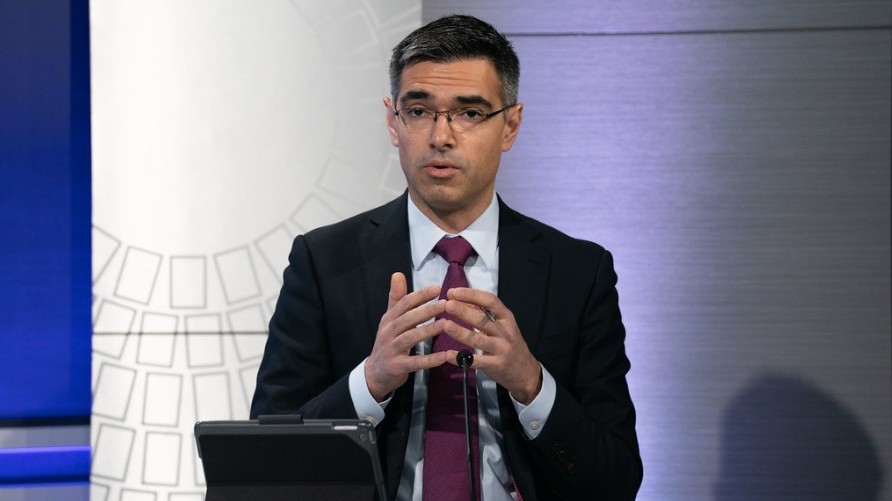
Evan Papageorgiou, IMF Mission Chief for Sri Lanka, stated, “The findings of the mission will feed into subsequent discussions on the IMF-supported program.” He emphasized that “this mission underscores the IMF’s commitment to supporting Sri Lanka as it deals with the economic and humanitarian challenges caused by the recent cyclone.”
During the visit, the IMF team will engage with government officials and relevant stakeholders to assess the cyclone’s full impact on infrastructure, livelihoods, and economic stability. The team will also explore ways to assist Sri Lanka in its recovery efforts, including resuming the Extended Fund Facility-supported program and providing policy advice and technical assistance to promote resilience and sustainable growth.
Sri Lanka was unable to complete the fifth review of the IMF program despite exceeding most targets after the budget, on which the next review of the program was based, was expanded by 500 billion rupees, affecting fiscal targets. The IMF initially estimated that the cyclone would result in a 0.2 percent decrease in gross domestic product.
Since the end of the civil war, Sri Lanka’s growth has often been disrupted by stabilization crises and currency collapses, typically following rate cuts implemented through inflationary open market operations. These operations are used despite having a central bank that collects reserves, narrowly targeting the policy rate in defiance of classical economic theory, such as Hume’s price-specie flow mechanism, and further explained by Ricardo and the currency school in the context of modern banking systems.
Critics argue that the justification for printing money and operating an unsound monetary system, which relies on inflation as stimulus, is based on empirical data that heavily utilize historical data while dismissing theoretical frameworks. Currently, Sri Lanka is believed to be growing at rates exceeding its ‘potential output’ as it attempts to recover lost GDP from previous aggressive macroeconomic policies, with the central bank missing its inflation target.
(Colombo/June 16/2026)