Sri Lanka does not need to choose sides in a U.S.–Iran confrontation to feel its consequences. All it needs is a tanker. As tensions rise in the waters stretching from the Red Sea to the Gulf of Oman, the uncomfortable truth is this:
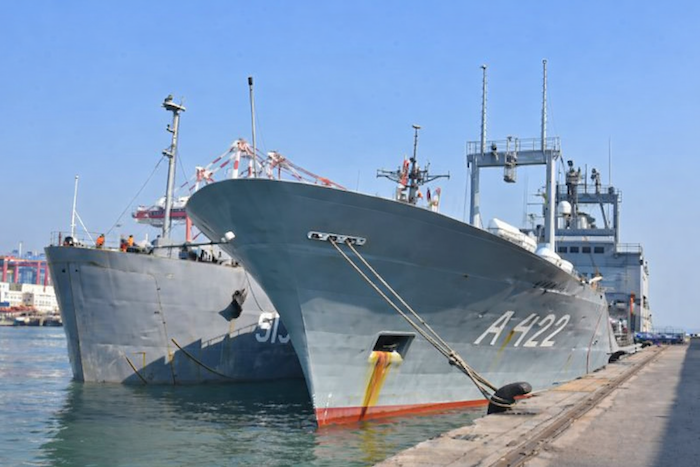
Sri Lanka is one of the first countries to feel the economic tremors of distant naval manoeuvres, even when no shots are fired. The deployment of U.S. naval assets closer to Iran is being read globally as deterrence. In Colombo, it should be read as risk exposure.
Oil: The First Domino
Sri Lanka imports nearly all its fuel. That single fact turns every Middle Eastern flashpoint into a domestic vulnerability.
The U.S.–Iran standoff does not need to escalate into war to push oil prices upward. The mere perception of instability in the Strait of Hormuz — through which roughly a fifth of the world’s oil flows — is enough to trigger speculative pressure, higher insurance premiums, and cautious shipping behaviour.
For Sri Lanka, that translates into:
higher import bills,
renewed pressure on the balance of payments,
and inflationary risks that no monetary policy statement can fully neutralise.
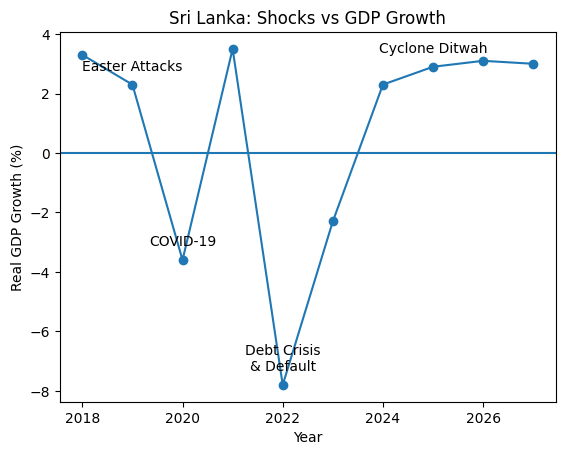
This is particularly dangerous at a moment when foreign exchange buffers remain thin and confidence is still being rebuilt, not banked.
Shipping Lanes: Quietly More Expensive
Sri Lanka’s location is often described as strategic. In moments like this, it is simply exposed.
Any instability affecting the Persian Gulf, Gulf of Oman, or Red Sea feeds directly into shipping insurance costs, freight rates, and delivery schedules. These costs rarely make headlines, but they creep into everything — from fertiliser to pharmaceuticals.
The Red Sea disruptions of recent months already offered a preview: longer routes, higher costs, delayed consignments. An Iran-linked escalation widens that risk envelope.
For an island economy dependent on uninterrupted sea lanes, “regional instability” is not a geopolitical abstraction. It is a line item.
Tourism: The Fragile Recovery
Tourism is often portrayed as resilient. It is not. It is sensitive.
Sri Lanka’s tourism recovery remains narrative-driven, heavily reliant on perceptions of regional calm. A Middle East crisis — even one that never turns kinetic — injects uncertainty into source markets, particularly Europe.
Higher oil prices raise airfares. Insurance advisories tighten. Travel sentiment softens. The effect may not be immediate, but it is cumulative.
At a time when Sri Lanka is already grappling with the mismatch between arrival numbers and actual foreign exchange retention, any external shock further exposes how thin the margin for error really is.
Remittances and the Gulf Connection
Hundreds of thousands of Sri Lankans work in the Gulf. Their remittances are not just a social lifeline; they are a macroeconomic pillar.
A sustained U.S.–Iran confrontation — or even heightened security conditions — affects construction, logistics, and energy-linked employment in the region. Slower project cycles and corporate caution eventually filter down to migrant labour.
No crisis needs to erupt for remittance flows to wobble. Anxiety alone can do the job.
The Currency Nerve
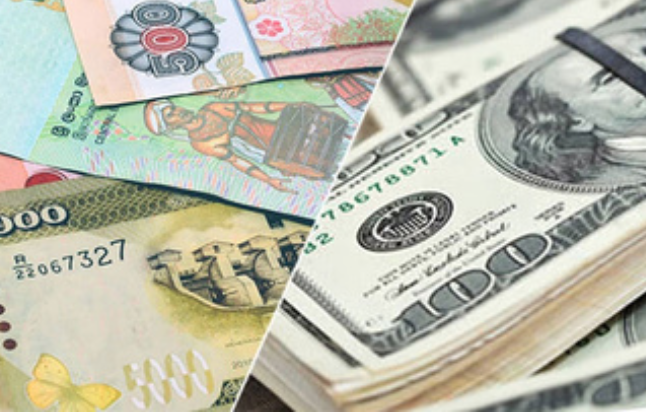
Sri Lanka’s currency does not react to ideology. It reacts to import bills, reserves, and sentiment.
A spike in oil prices or shipping costs widens the current account gap. Markets notice. Pressure follows.
This is where external shocks meet internal fragility. The danger is not collapse — it is erosion. Slow, grinding, confidence-sapping erosion.
What Sri Lanka Can — and Cannot — Control
Sri Lanka cannot influence U.S.–Iran relations. It can, however, control how exposed it remains.
This moment underscores three uncomfortable realities: Energy dependency is a strategic weakness, not just an economic one. Every delay in diversifying energy sources prolongs vulnerability.
oreign exchange resilience is still shallow. One external shock can undo months of careful stabilisation. Geopolitics now moves faster than policy responses. Waiting to react is no longer a strategy.
What Should Be Done — Quietly and Quickly
There will be no dramatic announcements. Nor should there be.
But behind closed doors, the government should be: stress-testing fuel import scenarios,
building contingency buffers,
engaging shipping insurers and logistics operators, and communicating calmly with markets.
Overreaction is as damaging as denial.
The Deeper Lesson
The U.S.–Iran standoff is a reminder of an old truth Sri Lanka prefers to forget: small economies do not get foreign policy holidays.
Neutrality does not equal insulation. Distance does not equal safety. And silence does not equal immunity.
When warships move, oil prices twitch.
When oil prices twitch, Sri Lanka’s margins shrink.
That is the chain.
Sri Lanka’s challenge is not to panic — but to recognise that global power plays are never truly global. They are local, eventually.
Sometimes, painfully so.