Sri Lanka’s efforts to reduce sugar consumption have led to an increased use of non-sugar sweeteners (NSS) by manufacturers, according to the Institute of Policy Studies (IPS). This shift has exposed policy gaps that result in misleading labels and tax loopholes, prompting calls for policy updates, expanded taxes to include NSS, school bans on NSS products, and heightened public awareness.
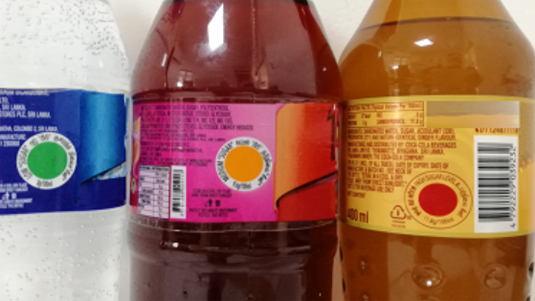
The country introduced a Traffic Light Labelling (TLL) system to indicate high (red), medium (amber), and low (green) sugar levels, alongside a sugar-based excise tax on sugar-sweetened beverages (SSBs). However, as manufacturers adjust their formulations to meet sugar thresholds, the popularity of NSS in “low sugar” products has surged.
Several countries, including Chile, France, India, the Philippines, and Portugal, have expanded their SSB taxes to encompass drinks containing artificial sweeteners in addition to added sugar. This approach discourages excessive consumption of both sugary and artificially sweetened beverages. For instance, the Philippines applies a volume-based excise tax on SSBs containing both sugar and NSS.
The IPS study revealed that approximately 70% of green-labelled SSBs and 50% of amber-labelled ones contain NSS. While these reformulations help products meet sugar thresholds, NSS may pose long-term health risks. The World Health Organization (WHO) has warned that long-term NSS consumption is associated with higher risks of diabetes, cardiovascular diseases, and mortality among adults. Additionally, increased NSS intake is linked to higher body weight, greater obesity risk, and elevated risks of diabetes, heart disease, and mortality. WHO advises against using NSS for weight control or non-communicable disease (NCD) prevention, except for individuals with diabetes who need sugar alternatives.
Currently, Sri Lanka’s SSB policies—TLL and SSB taxation—do not regulate the use of NSS, enabling manufacturers to reduce sugar levels while continuing to market products with artificial sweeteners. This loophole means products with NSS often receive misleading green or amber labels. Furthermore, NSS are excluded from the SSB tax, incentivizing manufacturers to switch from sugar to NSS. These gaps necessitate updated policies to comprehensively address all sweeteners.
Globally, countries like Mexico have introduced strong front-of-pack labelling (FOPL) systems to flag unhealthy foods. Mexico’s mandatory FOPL system includes warnings for products high in energy, sugar, saturated fat, trans fat, sodium, non-nutritive sweeteners, and caffeine, using a clear design to help consumers recognize potential health risks.
To effectively reduce sugar intake and promote healthier diets, national nutrition policies must adopt a comprehensive approach. Recommendations include:
- Implement fiscal policies and regulations for foods and beverages containing NSS.
- Adopt FOPL warning labels for NSS products and ensure NSS are included in the SSB tax structure, encouraging manufacturers to improve product formulations.
- Increase public awareness and promote behavior change through campaigns that emphasize the benefits of unsweetened foods and practical ways to adopt healthier alternatives.
- Restrict the promotion and sale of NSS-containing foods and beverages in schools through comprehensive policies.
In conclusion, strengthening Sri Lanka’s SSB fiscal policies and regulatory framework is vital to protect public health as NSS usage rises in response to sugar-focused policies. International evidence suggests that comprehensive measures addressing both sugar and artificial sweeteners are more effective than sugar-only measures. Updating national policies to include NSS products will help close existing gaps, reduce consumer misperceptions, and encourage healthier reformulations, advancing Sri Lanka’s nutrition agenda and addressing the growing burden of diet-related NCDs.