It has been 13 years since Sri Lanka’s much-debated satellite launch — the project that entered national folklore as “Chichi’s Rocket” — yet the real story remains more tangled than the conspiracy theories it has generated.
What happened was not a state-funded space programme. It was a private commercial venture dressed in political pageantry — and the politics has never let go.
For years, critics used the phrase “Sri Lanka wasted billions on a satellite” as shorthand for political excess. Supporters retorted that it was a symbol of ambition. The reality sits somewhere in the gray zone between PR theatre and business enterprise — and it’s time we sorted signal from static.
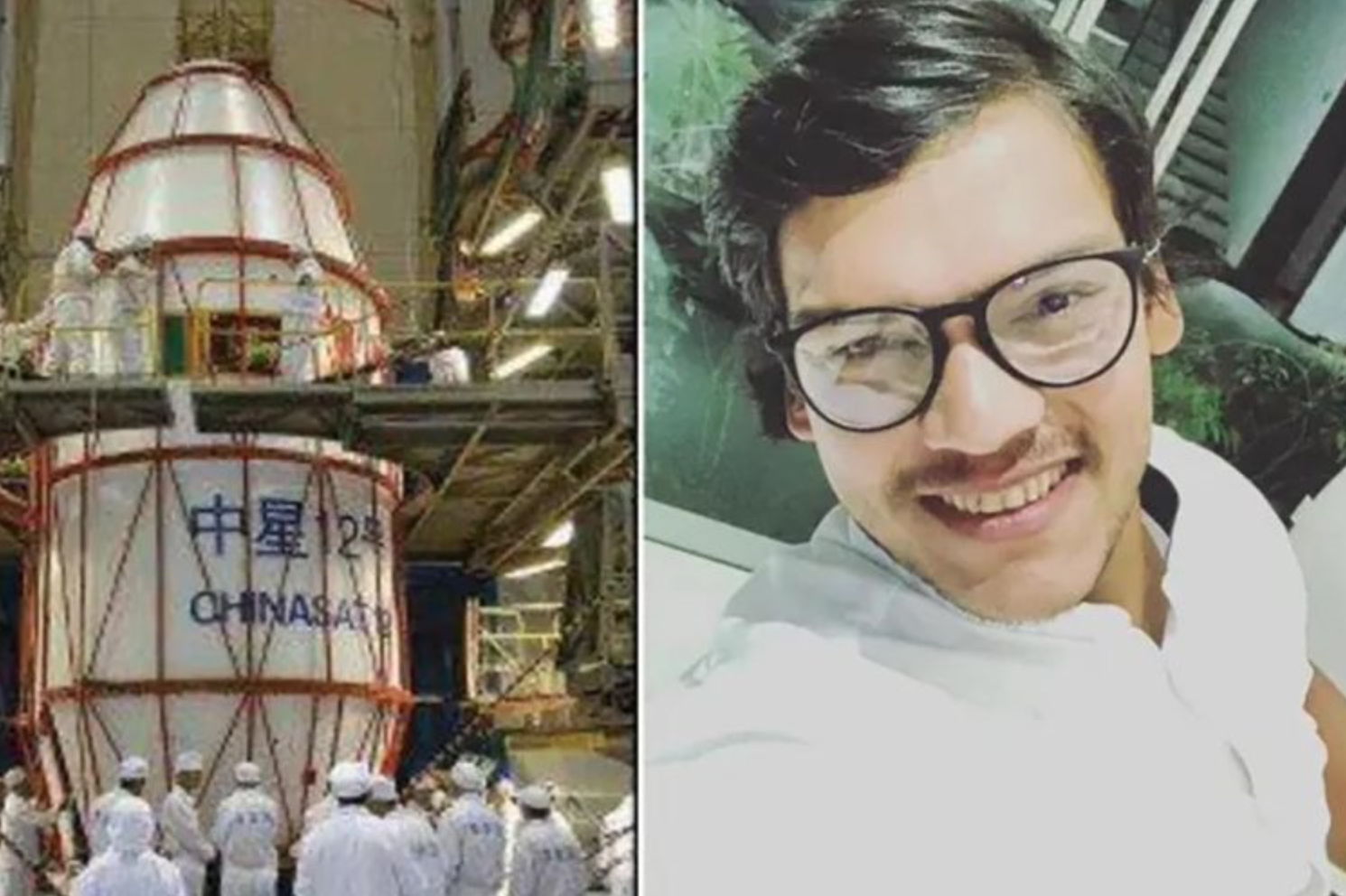
The Satellite Was Real — But Not the Government’s Bill Let’s be clear about the core fact: the Sri Lankan government did not spend public funds on the satellite project. SupremeSAT-1 — widely referred to as Sri Lanka’s “first satellite” — was launched in November 2012 aboard a Chinese Long March rocket.
But ownership and funding are nuanced:
It was owned and operated by SupremeSAT (Pvt) Ltd, a private company under Supreme Global Holdings, not a government agency.
The satellite itself was ChinaSat-12, a Chinese communications satellite whose payload capacity was marketed by SupremeSAT as “SupremeSAT-1.” It was not built by Sri Lanka nor entirely financed by it.
SupremeSAT has repeatedly stated — and officially reiterated — that no government money was used in the project.
The Prime Minister Dr Harini Amerasuriya, confirmed this in Parliament, drawing on Board of Investment (BOI) records. Public data shows that the government’s role was limited to approval and facilitation under investment laws — not financing.
Yet ask ten people what “Chichi’s Rocket” cost the government, and you’ll get ten variations — because perception filled a vacuum that facts never occupied.
Politics Wrote the Headline — But Business Wrote the Check
The project’s public identity was politically charged from the start, largely because of its association with Rohitha Rajapaksa, son of the then-President. The satellite was routinely invoked in political speeches and campaign literature as evidence of grand vision — or grand waste, depending on the narrator.
Here’s what the corporate record actually shows:
The investment — reported in public documents when the BOI deal was signed in May 2012— was private capital amounting to hundreds of millions of dollars, from private investors including foreign participants.
R. M. Manivannan, chairman of Supreme Global Holdings, led the venture — not as a government appointee, but as a private sector entrepreneur.
Rohitha Rajapaksa worked as Chief Technical Director early on based on his aerospace background, not as the principal investor.
As Manivannan consistently explained, this was a private business initiative: capital raised from markets, technology sourced internationally, operations commercially oriented, and the satellite marketed regionally.
It was not a subsidy financed from the Treasury. It was not paid for by taxpayers.
So Why Does the Myth Persist?
Because politics loves a story everyone can repeat.
Opposition figures billed it as “billions wasted.” Supporters framed it as “national pride.” Years of political rhetoric blurred the lines between company achievement and state expenditure. When something carries the flag and the family name, the story rarely stays technical.
In Parliament, even the Prime Minister’s correction fueled controversy because it contradicted long- standing public belief and political campaigning.
One minister claimed BOI figures were wrong; another said satellite assets disappeared from company books.
That confusion speaks to something deeper: Sri Lanka’s public discourse treats facts as optional when politics is at stake.
What Was Manivannan’s Role?
R. M. Manivannan was not a figurehead. He was the corporate architect.
He raised private capital, signed agreements with the Chinese government’s satellite manufacturer, and steered operations. SupremeSAT, under his leadership, remains a private operator with a teleport and ground control facility and continues to market capacity in communications markets.
Manivannan’s public statements emphasise technical legitimacy, corporate compliance, and the absence of government funding. What he cannot control is the narrative pollution that politics has injected.
The Real Lesson — And It’s Not About Space
The real lesson of the Sri Lanka Satellite saga is how political narratives can overwhelm corporate and factual reality.
A private venture was mistakenly transformed in public memory into a state policy. A commercial satellite was mythologised as a national flagship. Allegations of misuse of taxpayer money persisted despite official clarification from both the company and the highest levels of government.
For a democracy to function — especially one with a fragile economy and deep trust deficits — clarity matters more than clever slogans.
Had Sri Lanka’s media treated this as a private sector story from the start, there would be no “satellite scandal” now — only a business case and a corporate history.
But we didn’t. We reported a political myth and perhaps Manivanan wasn’t quite asked the relevant questions. Some felt it expedient to lay it at the Rajapaksa feet.
The Rajapaksas enjoyed the moment but had to clarify to the authorities the real story once they were back home in the sleepy fishing outpost of Tangalla. Which is why even now, we are still living with it.