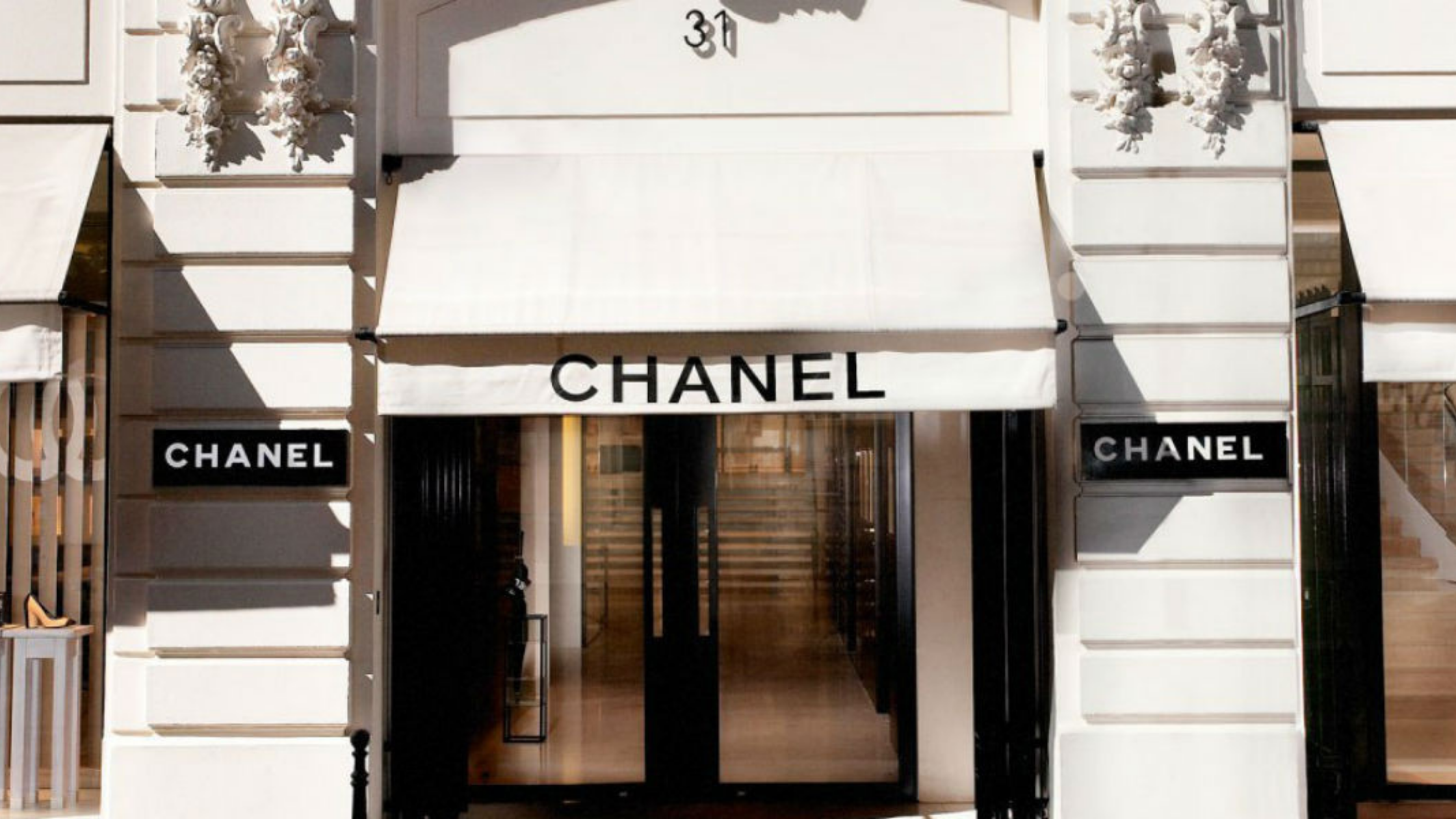
CHANEL is one of the most powerful businesses in luxury — precisely because it refuses to behave like one.
No IPO.
No quarterly earnings circus.
No activist investors.
No logo panic.
And yet, by scale, margins, and brand power, Chanel comfortably sits alongside — and in some respects above — the giants of listed luxury.
This is not romance. It is discipline.
Ownership: Private, Patient, and Ruthless About Control
Chanel is 100% privately owned by the Wertheimer family, descendants of Pierre Wertheimer, Coco Chanel’s early business partner. While Coco created the myth, the Wertheimers built — and preserved — the machine.
This matters.
Private ownership allows Chanel to:
Ignore short-term fashion cycles
Invest heavily in craftsmanship without ROI theatre
Say “no” to overexpansion (a rare luxury virtue)
Chanel is not run by family sentiment — it is owned by family, run by professionals. That distinction is everything.
Scale: Bigger Than It Looks
Chanel publishes limited financials, but the outline is clear.
Approximate Business Metrics
Annual revenues: ~US$18–20 billion
Operating margins: industry-leading (often 30%+)
Cash-rich, virtually debt-free
Categories:
Fashion & couture
Handbags & leather goods
Watches & fine jewellery
Fragrance & beauty (No.5 still prints money)
This is not a fashion brand.
It is a multi-category luxury profit engine.
The Product Strategy: Scarcity Over Speed
Chanel’s genius is deliberate constraint.
No e-commerce for core handbags (until very selectively)
Annual price increases well above inflation
Limited distribution
No discounting — ever
While rivals chase growth, Chanel chases desire.
And desire, unlike growth targets, compounds.
The Birkin may get the headlines, but Chanel’s handbags — especially the Classic Flap — are among the most price-resilient assets in consumer goods.
Management: After Karl, the System Held
The death of Karl Lagerfeld in 2019 was supposed to be an existential moment.
It wasn’t.
Virginie Viard maintained continuity, not disruption. Why? Because Chanel had already institutionalised creativity. The brand was never hostage to one personality — even one as formidable as Lagerfeld.
This again reflects governance maturity.
Vertical Integration: Owning the Invisible
Chanel has quietly acquired:
Embroidery houses
Textile mills
Button makers
Feather ateliers
Swiss watch manufacturers
Why?
Because true luxury is not the runway — it is the supply chain you don’t see.
This protects quality, controls innovation, and insulates the brand from industrial shocks. It is expensive. It is also unbeatable.
Why Chanel Is a Governance Case Study
Compared to many family businesses (globally — and especially in emerging markets), Chanel got three things right:
Family ownership, not family management
Professional leadership with long tenures
Zero pressure to monetise prestige prematurely
Contrast this with brands that:
Listed too early
Licensed too widely
Confused visibility with value
Chanel avoided every one of those traps.
Valuation (If It Ever Were Sold — Which It Won’t Be)
Conservatively:
US$80–100 billion enterprise value
Strategic / scarcity-driven valuation:
US$120 billion+
But this is academic.
Chanel is not built to be sold.
It is built to outlast cycles, CEOs, and markets.