Sri Lanka’s plastic problem is not a mystery. It’s a business model.
We buy convenience in thin-film form: bags, cups, sachets, wrappers, bottles — and then we act surprised when drains choke, dumpsites smoulder, and beaches wear a permanent necklace of polyethylene.
A deceptively simple question: How much plastic do supermarkets sell each year — and how much do they recycle? The uncomfortable answer is that Sri Lanka does not publish a clean “supermarkets plastics ledger” the way it should.
But we can still see the scale through credible national inventories and consumption proxies — and they are not flattering.
What we can say with evidence
A national material-flow inventory on plastic waste found that only a small fraction is recycled — roughly around 11% is a commonly-cited reading of the 2024 national inventory figures, while the majority is mismanaged or unmanaged. In other words: most plastic does not return into the system — it escapes into land, waterways, smoke, and time.
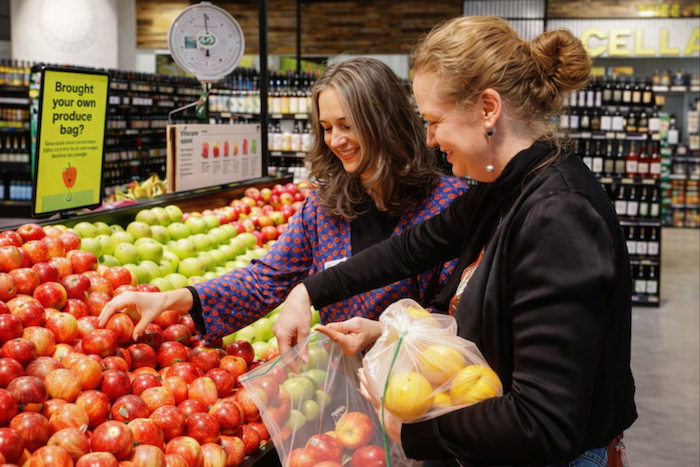
And then there is the supermarket-bag reality. A Sri Lankan policy analysis cites a study estimating the country disposes of about 20 million “supermarket bags” every month. That’s roughly 240 million bags a year — and that’s just one category of retail plastic, not counting shrink wrap, trays, pouches, caps, labels, takeaway containers, and the packaging supply chain behind every “fresh” product.
So the “net difference” between what is pushed into households and what is recovered? The evidence suggests it is massive — and structurally baked in.
Supermarkets: the missing data scandal
Here’s where Sri Lanka’s governance failure becomes obvious: supermarkets are major plastic distributors, yet the public can’t easily answer:
how many tonnes of plastic packaging they place on the market,
how much they collect back,
and what share is genuinely recycled versus simply exported, dumped, or downcycled.
Without mandatory reporting, the national conversation remains emotional instead of forensic. We argue about bans while the numbers remain off-stage.
Hotels: the “zero plastic” movement — salvation or symbolism?
Hotels moving toward zero plastic deserves credit — partly because tourism is visible, and visible sectors feel pressure.
There are credible examples of hospitality actors reducing bottle use via refill strategies; one Sri Lanka tourism sustainability assessment notes partnerships such as Refill Not Landfill and early movers like Thema Collection supporting refill access.
But let’s not pretend hotels can solve a retail-driven national waste stream alone.
Hotels can reduce:
bottled-water consumption (a high-visibility win), amenity plastics,
takeaway and event plastics.
That helps — especially in coastal zones where tourism’s waste footprint is felt immediately. But supermarkets and FMCG distribution shape daily household plastics at national scale.
And the “bottom line” fear about bottled water?