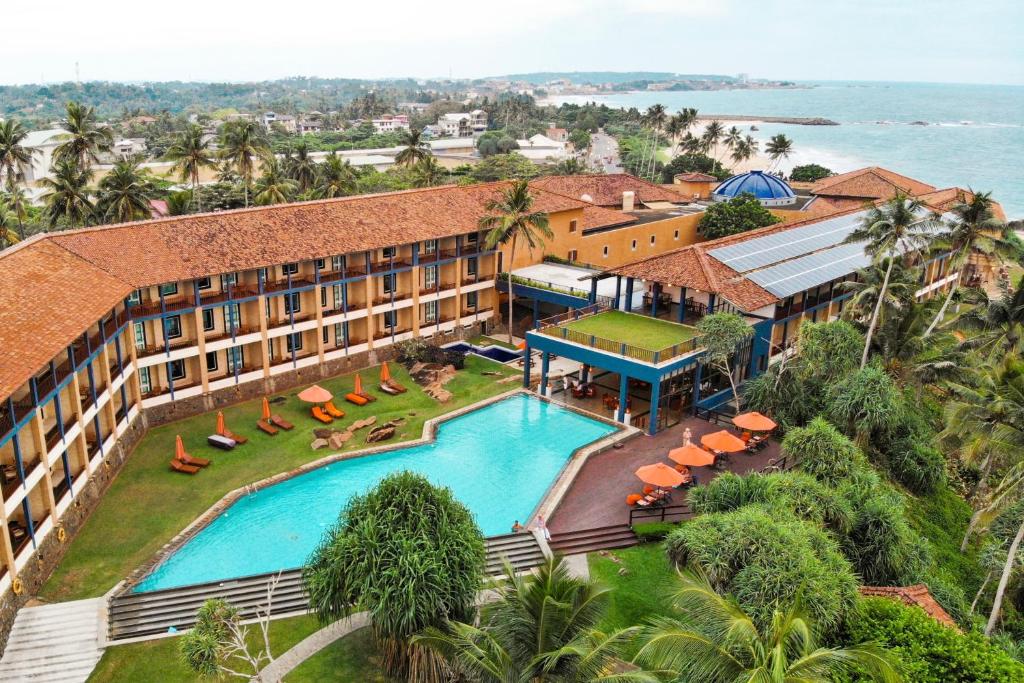
Sri Lanka sells paradise for a living. Sun, sand, heritage, smiles on arrival.
Yet behind the polished lobby desks and five-star marketing videos sits an awkward truth: our best hospitality professionals keep boarding one-way flights.
This is not a story about disloyalty. It is a story about arithmetic.
Let’s start with the most convenient myth: “They leave because foreign hotels pay more.”Yes—often they do. But that’s only half the sentence. They also pay on time, in hard currency, with clear career ladders, predictable rosters, and contracts that mean what they say. Money matters—but certainty matters more.
Do the big hotel chains in Sri Lanka pay less? Some do. Many can’t afford not to. Occupancy rates remain volatile, seasonality is brutal, and pricing power is weak in a market trained to discount itself. When rooms are sold cheap to keep beds full, wages are the first casualty.
You cannot run Michelin-level service on survival-margin economics.
So is this simply a demand-and-supply problem? Not quite.
The elephant in the room wears a policy badge.
Hospitality is labour-intensive. It thrives on long-term planning, skills retention, and confidence. Sri Lanka, instead, offers tax unpredictability, currency risk, import controls, energy costs, and policy U-turns that make five- year workforce planning a guessing game. Investors hedge. Managers compress costs. Talent quietly exits.
Then there’s the status problem. Abroad, Sri Lankan hoteliers are respected specialists. At home, hospitality is still too often treated as “service work” rather than export-grade professional capital. When your maître d’, sommelier, or revenue manager feels undervalued socially as well as financially, the departure lounge starts looking aspirational.
Ironically, this brain drain is most damaging precisely when tourism rebounds. New hotels open. Room keys multiply. But experience doesn’t scale overnight. Service quality slips. Training budgets shrink. Guest expectations rise faster than staff retention. The brand suffers—not loudly, but cumulatively.
Blaming the professionals is easy. Fixing the system is harder.
This isn’t about forcing loyalty or blocking migration. It’s about making staying a rational choice. That means stable economic policy, predictable taxation, realistic room pricing, and an honest admission that you cannot market “world-class hospitality” while underpaying the very people who deliver it.
The pro-people position is simple:
If Sri Lanka wants to export tourism, it must stop exporting talent first.
Otherwise, we will continue selling paradise—
while outsourcing the people who know how to run it.