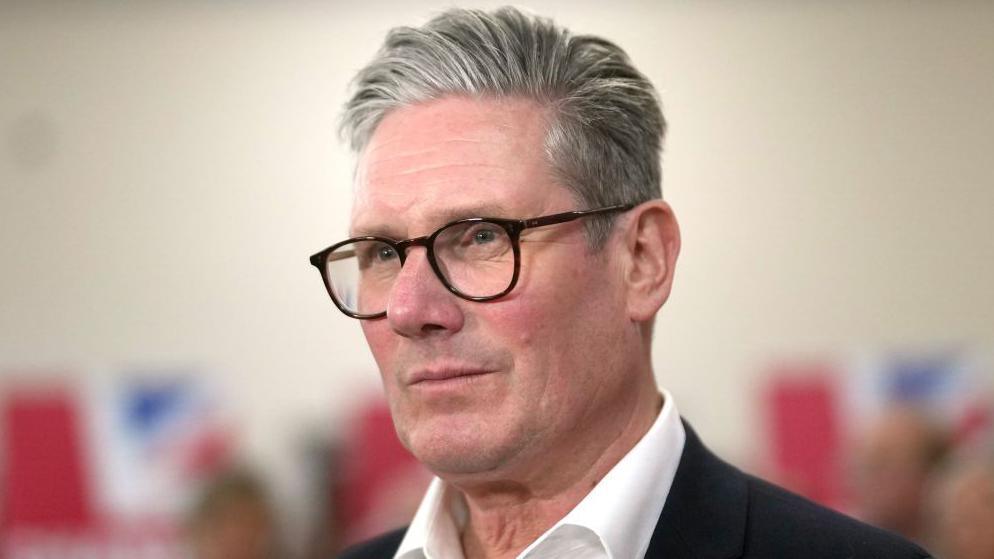
Sir Keir Starmer of Britain is facing one of the most intense political storms of his premiership after two of his closest aides quit within 24 hours, intensifying calls from within his own party for him to step aside.
On Sunday, Morgan McSweeney, Starmer’s chief of staff and a key architect of Labour’s organisational resurgence, resigned, taking responsibility for advising the prime minister to appoint Peter Mandelson as the UK’s ambassador to the United States — a decision now deeply controversial because of Mandelson’s known past ties to Jeffrey Epstein and questions over Downing Street’s handling of the vetting process.
A day later, Tim Allan, the PM’s director of communications, also quit, leaving the No 10 operation in turmoil and prompting critics to ask whether Starmer’s leadership can survive.
Yet even amid what senior figures from across parties are calling a crisis — with some Labour MPs formally urging Starmer to resign — Downing Street insists he will not. A government spokesperson said the prime minister is “upbeat and confident” and “concentrating on the job in hand”.
This tension — potholes in public trust on one hand, and firm public resolve on the other — is where Starmer’s future is being decided:
Some senior Labour figures, including former colleagues, warn that forcing a sitting prime minister out would be destabilising — especially given that Labour has a strong electoral mandate and no clear successor with the same public standing.
Party unity matters in Britain’s parliamentary system: the prime minister stays only so long as he retains the confidence of his MPs. At present, there is not yet clear evidence that enough Labour MPs are prepared to trigger a formal leadership challenge.
What this means for May’s local elections
Starmer’s fate is now intertwined with the local elections set for May 2026. Historically, local polls act as a barometer of public sentiment mid-term. If Labour performs poorly, the narrative of a leader in decline could harden, tempting MPs to escalate pressure. A strong set of local results, by contrast, would undercut the case for removal.
Right now, a few indicators are worth watching:
Local election dynamics are often distinct from national leadership debates, but public disquiet over scandal and political judgment can depress a party’s ground game. Resignations and internal dissent can energise opponents and demoralise supporters. The Conservatives and smaller parties will seek to capitalise on the sense of chaos in Labour ranks as campaign fodder between now and May.
Is a leadership challenge likely?
A full leadership contest within the Labour Party requires: A sufficient number of MPs submitting letters of no confidence; and
The parliamentary Labour Party (PLP) voting to trigger a contest.
At the moment, anecdotal reporting suggests calls for Starmer to resign are growing but not yet decisive. Some MPs want him to step down out of principle; others prefer stability, judging that internal coups rarely look good to voters mid-term. Those calculators matter because a leadership contest that fails can weaken a party further — and Labour’s current advantages still hinge on its overall policy agenda and parliamentary majority.
Starmer’s next 72 hours
What happens next will shape the narrative more than any statement:
Will Starmer secure visible public and parliamentary backing?
Will Labour’s frontbench rally visibly behind him?
Will voters begin to see indecision as the story, rather than policy delivery?
These are not trivial questions. A prime minister’s authority is not just about headline statements but whether the party believes he can deliver electoral success and policy change.
For now, Starmer’s premiership has survived these resignations — but not without leaving a lasting scar. In politics as in life, trust is hard to earn and easy to lose. If this episode depresses confidence in leadership ahead of May’s local elections, the consequences for Labour could be deeper and longer lasting than the immediate headlines suggest.