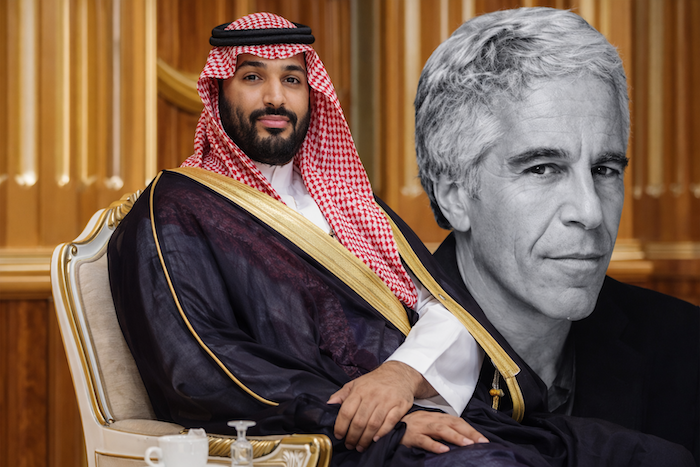
As fresh tranches of material linked to Jeffrey Epstein circulate online, attention has turned once again to the names of powerful figures that appear in the documents. Among them is Mohammed bin Salman, Saudi Arabia’s crown prince and de facto ruler. Social media commentary has raced ahead of the evidence, prompting an important question: what do the files actually show — and what do they not?
What is established fact
First, it is important to be precise about the nature of the material being discussed. The so-called “Epstein files” are not a single, authoritative dossier, but a vast and uneven collection of court exhibits, unsealed documents, contact lists, emails, flight logs, photographs, and third-party references accumulated across multiple legal proceedings and investigations over many years.
Within such material, it is not unusual for the names of senior political figures, business leaders and royalty to appear. Epstein actively cultivated elite networks, often exaggerating or misrepresenting his proximity to power.
The presence of a name or image in a document does not, by itself, establish a relationship — still less wrongdoing.
In the case of Mohammed bin Salman, there is currently no verified public evidenceshowing that he had a personal relationship with Epstein, participated in Epstein’s criminal activities, or had knowledge of them. No court findings, indictments, or sworn testimony have implicated him.
That distinction matters.
What is being claimed — and why caution is essential
Some online commentary has suggested that photographs, references, or secondary mentions amount to proof of association. Analysts and editors at reputable outlets have consistently warned against this leap.
Epstein moved within overlapping diplomatic, financial and social circles. References to countries or leaders often reflect contextual awareness, attempted access, or third- party discussions, not meetings or collaboration. In some instances, Epstein portrayed himself as a conduit to powerful states or individuals as a means of enhancing his own status — claims that were later shown to be inflated or false.
This pattern is well documented. Epstein’s mythology often travelled faster than the reality.
Responsible analysis does not focus on individual insinuations, but on structure and method. The key question for analysts is not whether Epstein knew a particular leader, but how he was able to move across borders, institutions and elite spaces with so little scrutiny.
In that sense, the global dimension of the files tells a broader story: one of weak gatekeeping, uneven accountability and the reluctance of institutions to interrogate power too closely. Epstein’s reach appears vast not because every powerful figure was complicit, but because systems repeatedly failed to ask hard questions.
When commentators discuss Saudi Arabia in this context, it is usually in geopolitical terms — examining how Epstein sought relevance within international investment and diplomatic ecosystems, not alleging misconduct by Saudi leadership.
Why misinformation spreads so easily
The Epstein case sits at the intersection of genuine horror and institutional failure. That combination creates fertile ground for over-interpretation. When trust in institutions is low, suggestion begins to substitute for evidence, and proximity is mistaken for guilt.
This is particularly dangerous when current heads of state or government are involved. The legal and ethical threshold for making allegations against serving leaders is rightly high. British and international media organisations operate under strict defamation standards, which require verifiable facts, corroboration and public-interest justification.
This is why mainstream reporting consistently emphasises restraint.
The real lesson of the files
The enduring significance of the Epstein material lies not in uncovering hidden conspiracies, but in exposing how power shields itself from scrutiny. Epstein was not protected because he was untouchable, but because too many institutions chose discretion over accountability.
That lesson applies globally — to democracies and authoritarian systems alike — without requiring unproven claims about individual leaders.
As more material becomes public, the responsibility of journalists, analysts and readers is the same: to distinguish documentation from conjecture, evidence from implication, and outrage from proof. Anything less risks replacing one injustice with another — and obscuring the very institutional failures that allowed Epstein’s crimes to persist.