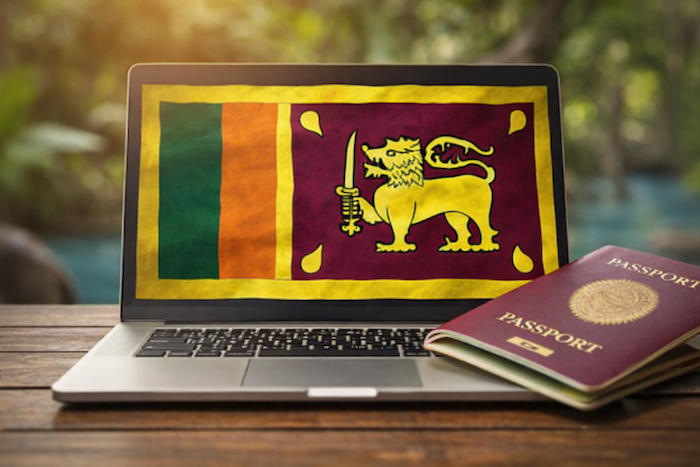
Sri Lanka’s newly announced Digital Nomad Visa has been greeted online with applause, scepticism, and a fair amount of anxiety — often all at once. On paper, the policy looks modern, market- friendly, and desperately needed in a dollar-starved economy. In practice, it raises a deeper question: is Sri Lanka importing foreign exchange — or exporting affordability?
The promise is straightforward. Remote workers earning abroad are invited to live and work in Sri Lanka, spending foreign currency locally without competing for domestic jobs. Supporters argue this is low-hanging fruit: no factories required, no subsidies demanded, just rent paid, meals eaten, and services consumed.
Yet social media commentary has homed in on the fine print — and the absence of it. There is little clarity on geographic concentration, housing pressure, taxation, or long-term residency creep. Colombo, already struggling with rental inflation, is not insulated from global nomad trends. In cities from Lisbon to Bali, similar schemes triggered sharp rises in rents and social resentment before governments reacted.
Sri Lanka’s difference is fragility. The economy is still recovering, wages remain compressed, and urban housing supply is tight. An influx of dollar earners competing for limited accommodation risks distorting prices beyond local reach. What benefits the balance of payments may burden households.
There is also the governance angle. How will income be verified? Will earnings remain offshore or be routed through Sri Lanka? Will nomads be taxed, monitored, or merely welcomed and waved through? Without transparency, incentives morph into loopholes.
The policy is not inherently flawed. But it is incomplete. If Sri Lanka wants digital nomads, it must also protect digital citizens — the locals whose cost of living is already stretched.
Attracting dollars is not policy success by itself. Managing impact is.