Sri Lanka does not have the luxury of moral panic. It has the burden of economic reality.
After sovereign default, IMF programmes, reserve depletion, and the most humiliating fuel queues in living memory, this country needs foreign exchange streams that are legal, scalable, and globally marketable.
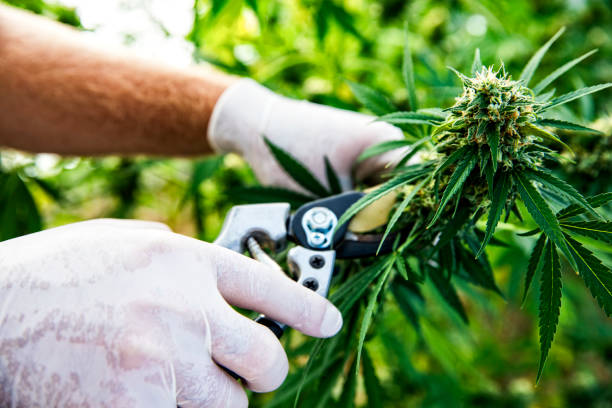
Medicinal cannabis — cultivated strictly for export under regulation — fits that description.
And we would be foolish to dismiss it out of reflex.
This Is Not About Recreational Legalisation
Let us separate myth from policy.
Sri Lanka has not legalised recreational marijuana. The cultivation authorised under government licence is for medicinal and pharmaceutical export markets, under Board of Investment oversight.
This is not Amsterdam. It is not Bangkok circa 2022.
It is a targeted agricultural export strategy.
The global medicinal cannabis market is projected to run into tens of billions of dollars over the next decade. Countries from Canada to Germany to parts of Australia have regulated frameworks. Even conservative jurisdictions are participating — carefully.
Sri Lanka already has:
A strong Ayurvedic tradition Agricultural expertise Climatic suitability
A pharmaceutical export base
Sri Lanka already has:
A strong Ayurvedic tradition Agricultural expertise Climatic suitability
A pharmaceutical export base
Sri Lanka has for decades criminalised small-time cannabis users and cultivators, while now licensing controlled cultivation for export profits.
That contradiction must be addressed openly.
But it does not invalidate the opportunity.
Governments evolve policy when global markets evolve. What matters is consistency in enforcement and clarity in law.
The Real Risk Is Not Participation — It Is Paralysis
Sri Lanka has a habit of starting reforms and then retreating under pressure. We hesitate. We delay. We politicise, We overcomplicate. The world does not wait. If this programme is going to succeed, it must be:
Transparent
Technically supervised
Insulated from political patronage Subject to public reporting
Doitproperly—ordonotdoitatall.
NEWSLINE Verdict
Sri Lanka cannot afford ideological rigidity in a collapsing global economy. If medicinal cannabis is regulated, export-focused, and professionally monitored, it is not moral decline. It is economic pragmatism. The question is not whether cannabis makes us uncomfortable.
The question is whether poverty should make us more comfortable.
Missed opportunities do not return politely. And in this economy, neither does foreign exchange.