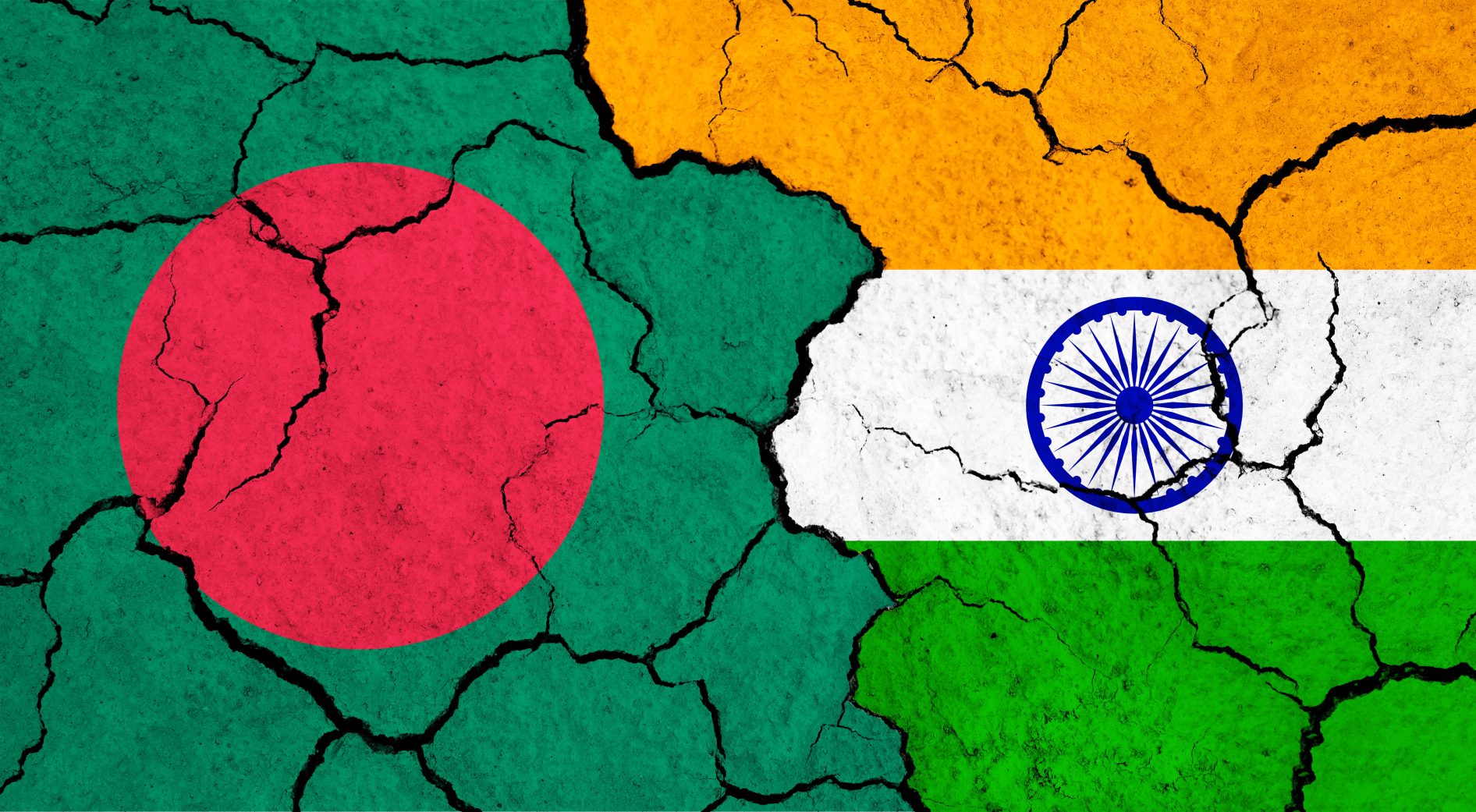
The reported electoral success of the Bangladesh Nationalist Party (BNP) marks more than a domestic political shift in Dhaka. It recalibrates the regional chessboard — and New Delhi will be studying the move closely. For over a decade, India cultivated a stable working relationship with the Awami Leagueunder former Prime Minister Sheikh Hasina. That partnership delivered cooperation on security, connectivity, counter- terrorism, and infrastructure. Cross-border insurgency concerns diminished. Trade corridors expanded. Strategic alignment deepened.
A BNP-led government introduces variables.
Historically, India has viewed the BNP as more sceptical of Indian influence and more inclined toward nationalist rhetoric that emphasises sovereignty over alignment. The BNP has also had political alliances with Islamist parties in the past, a factor New Delhi watches carefully given its own internal security sensitivities in the Northeast.
However, geopolitics rarely rewards nostalgia.
Today’s Bangladesh is not the Bangladesh of 2001. Its economy is larger, its export base more integrated globally, and its strategic importance in the Bay of Bengal significantly heightened. Any BNP leadership will inherit a state deeply embedded in regional trade and security frameworks — including transit arrangements and power-sharing projects involving India.
India’s likely response, therefore, will not be alarm — but recalibration. New Delhi’s foreign policy under Prime Minister Narendra Modi has demonstrated pragmatism in dealing with governments across ideological spectrums. The priority for India remains stability along its eastern flank, uninterrupted trade routes, and assurance that Bangladeshi territory is not used for activities hostile to Indian security interests.
If the BNP signals continuity on counter-terror cooperation and maintains existing economic agreements, India is likely to adapt swiftly. Bilateral trade — now exceeding USD 15 billion annually — is mutually beneficial. Infrastructure connectivity projects linking India’s Northeast through Bangladesh are strategically vital for New Delhi.
The real test lies in tone and policy substance.
Will the BNP emphasise balancing India with deeper ties to China? Beijing has invested heavily in Bangladeshi infrastructure under the Belt and Road Initiative. A recalibrated Dhaka foreign policy that tilts too visibly toward China could raise eyebrows in New Delhi, particularly as India sharpens its own Indo-Pacific strategy.
Yet Bangladesh’s leadership understands the arithmetic. Geography binds it to India. Trade binds it to both India and the West. Development finance binds it to multiple partners simultaneously. Overcorrection toward any single power would be economically risky.
For India, the calculus is straightforward: maintain engagement, avoid overt interference optics, and reinforce mutual economic dependency. Publicly, New Delhi will emphasise democratic choice and continuity of cooperation. Privately, channels of reassurance will likely open quickly.
In South Asia, political shifts are frequent. Strategic geography is not.
The election of the BNP does not automatically signal rupture. It signals a negotiation.
India will not panic. It will probe, recalibrate and secure its interests. The subcontinent’s diplomacy rarely unfolds in dramatic breaks. It moves in incremental adjustments. Dhaka has changed leadership.
New Delhi will now test the temperature. And South Asia will watch whether this transition becomes tension — or merely transition.