
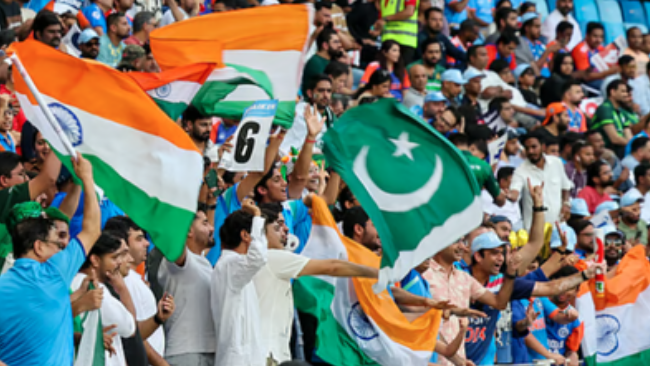
Colombo – The India–Pakistan T20 World Cup fixture in Colombo has proven far more than a sporting spectacle. Beyond the charged atmosphere at the stadium, the match has delivered a measurable economic uplift and placed Sri Lanka at the centre of regional diplomatic attention.
Widely regarded as one of the most commercially valuable fixtures in global cricket, the India–Pakistan rivalry routinely draws viewership figures rivalled only by major global tournaments. For Sri Lanka, hosting the encounter has translated into tangible financial returns at a critical moment in its economic recovery.
Tourism Surge and Foreign Exchange Boost
Hospitality operators report near-capacity hotel occupancy in Colombo in the days surrounding the match, with a significant influx of visitors from India and Pakistan. Airlines added services and premium travel packages surged in price as demand climbed.
Industry analysts estimate that uncertainty over Pakistan’s participation — briefly raised amid scheduling tensions — risked costing Sri Lanka as much as US$25–30 million in lost tourism, ticketing, and ancillary economic activity. The eventual confirmation of the fixture safeguarded thoseprojectedearnings.
For an economy still consolidating after recent fiscal strain, such inflows carry symbolic and practical weight. Short-term spending boosts hospitality, transport, retail and service sectors, while foreign currency earnings help reinforce macroeconomic stability.
Commercial and Broadcast Stakes
The commercial value of the India–Pakistan rivalry extends well beyond stadium gates. Broadcast rights for such encounters command premium global audiences, underpinning revenue streams across the international cricket ecosystem.
Sri Lanka’s status as host ensured it shared in the commercial dividends of one of the tournament’s most watched fixtures. In financial terms, few single sporting events generate comparable concentrated economic impact.
Diplomatic Undertones
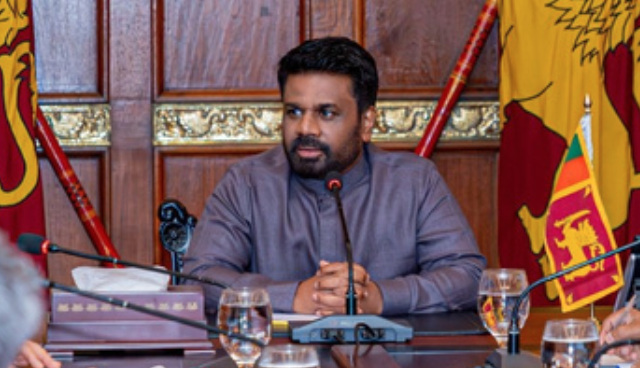
The build-up to the match carried diplomatic overtones. Pakistan’s initial hesitation to participate triggered high-level engagement involving cricket administrators and government representatives. Sri Lanka’s active facilitation of dialogue underscored its role as a neutral venue capable of hosting high-profile regional events despite broader geopolitical tensions.
In South Asia, sport frequently intersects with diplomacy. By successfully staging the match, Colombo reinforced its position as a credible and stabilising regional host.
Beyond the Boundary
The economic boost is temporary, but its signalling effect may endure. Successfully managing a politically sensitive and commercially significant fixture strengthens Sri Lanka’s credentials as a reliable destination for major international events.
At a time when confidence — both domestic and international — remains central to recovery, the India–Pakistan match has delivered more than entertainment. It has provided a reminder that in global sport, as in economics, visibility can translate into value.