
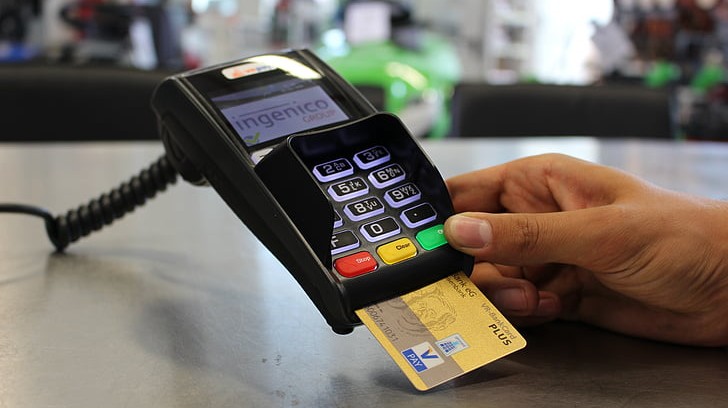
According to data from the Central Bank of Sri Lanka, the number of new active credit cards in the country increased by 21,984 in December of the previous year. This rise is attributed to the nation’s economic recovery and lower interest rates, which have encouraged greater credit card usage.
By the end of December, the total number of active credit cards reached 2,166,186, up from 2,144,202 at the end of November, marking a 1% increase for the month. Over the course of 2025, active credit cards saw a growth of 7.8%, or 157,730 cards.
In 2024, active credit cards in Sri Lanka rose by 4.8%, equivalent to 91,371 cards, supported by the country’s economic recovery and robust promotional efforts by banks to encourage credit card use in a climate of declining interest rates. Analysts have noted that many banks have partnered with supermarkets and other vendors to promote credit cards, capitalizing on the favorable interest rate environment as the economy shows signs of stronger-than-anticipated recovery.
Experts suggest that the economic recovery and stability in Sri Lanka have led to increased credit card usage compared to 2023. Some analysts also point out that higher penalty rates on credit cards during the economic crisis prompted some users to cancel their cards, but these customers are now returning to active use due to the reduced rates.
In 2023, the number of active credit cards fell by 1.8%, or 39,991 cards, following the country’s declaration of bankruptcy in 2022, which was accompanied by significant hikes in the Central Bank’s monetary policy rates. The central bank had sharply increased interest rates in April 2022 to combat hyperinflation. However, inflation slowed to deflation by September 2024 before turning positive in August of the previous year, as the central bank reduced key policy rates eight times since June 2023.
(Colombo/February 17/2026)