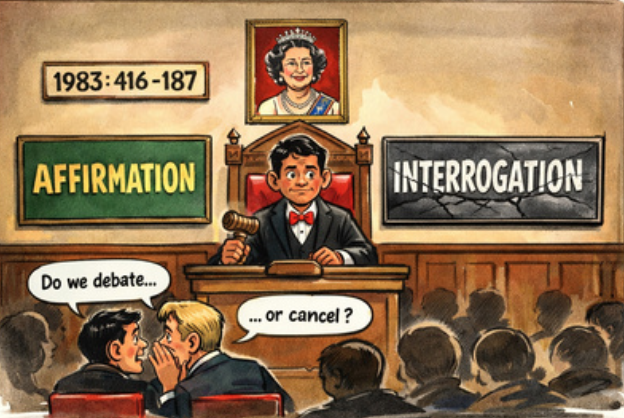


In a sweeping and unexpected parliamentary move, Sri Lankan legislators voted overwhelmingly to abolish their own pensions — a reform that seemed almost theatrical in its forensic simplicity. The bill, passed by 154 votes in the 225-member House, saw only two votes against and a large absence among the remainder. The substance of the reform itself is straightforward: lawmakers who had previously qualified for a pension after a mere five years of service will no longer receive one, and ongoing entitlements to current or future pensions have been terminated.
What headlines often missed, however, was the context. This was not a spontaneous act of generosity. It was a strategic fulfilment of a key campaign promise by President Anura Kumara Dissanayake, whose political ascent has been shaped by the fallout from Sri Lanka’s worst economic crisis. In 2022, the nation teetered on the brink of financial collapse, forcing shortages of food, fuel, medicine and electricity — experiences that left a bitter imprint on public sentiment. The ensuing protests ultimately toppled the previous president.
For many voters, the notion that lawmakers would draw pensions while their constituents suffered was almost intolerable. The pension abolition — and a preceding move to remove perks for former presidents — was both a symbolic and substantive answer to that anger. It told a weary public that politicians too must share burden, not just rhetoric.
But symbolism has limits. Critics argue that scrapping pensions is easy politics. In a nation still reconstructing its economy — with debt levels formerly over $80bn and ongoing IMF assistance — structural reforms matter more than headline politics.
If the state really intends to restructure its political class and public finances, the abolition of pensions must be part of a wider agenda: clearer performance metrics, accountability mechanisms, and reforms in parliamentary privileges that go beyond retirement benefits.
The approval of the reform — and the absence of vigorous debate in parliament — also points to deeper dynamics. Many opposition members were absent. Those present voted in near unanimity. In a functioning democracy, sweeping institutional changes ideally involve robust deliberation and opposition engagement. The optics of a near-unanimous vote raise questions: was this genuine consensus, or an orchestrated parliamentary choreography?
Still, for a significant segment of the public, the measure has real emotional potency. It reflects a government listening — and positioning itself as an answer to popular resentment over perceived privilege and disconnect.
The real test, however, will come in outcomes. Scrapping pensions is one thing. Healing economic trauma and rebuilding trust is another.