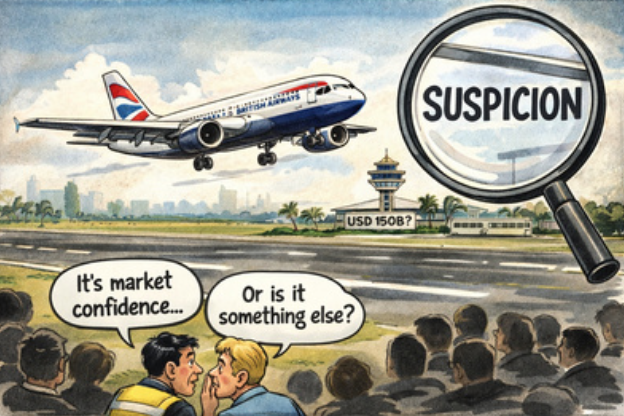

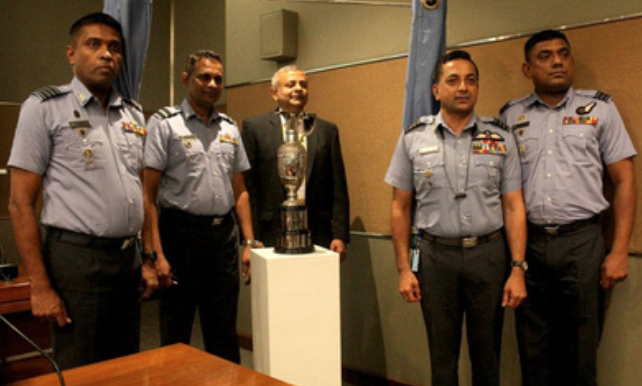
The Sri Lanka Air Force has moved ahead with multi- billion-rupee fleet modernisation plans. On paper, this is routine: ageing aircraft require replacement; defence readiness must be maintained; sovereignty demands credible deterrence.
But in Sri Lanka, defence spending never sits in a vacuum.
The country has emerged from civil war, endured economic collapse, and now stands under fiscal discipline commitments tied to international financial arrangements. Every rupee matters. Every allocation is scrutinised.
Modernisation, therefore, carries dual meaning. Operationally, the SLAF must update platforms. Aircraft lifecycles are not political — they are mechanical. If assets are obsolete, readiness deteriorates. Airspace protection, disaster response, and surveillance capacity depend on functioning equipment.
Strategically, however, the timing matters. As Sri Lanka balances relationships with India, China and Western partners, defence procurement sends signals. What is purchased, from whom, and under what financing terms all carry diplomatic weight.There is also the domestic question. In a country still recovering from fuel queues and austerity, defence investment can be politically sensitive. Citizens want stability — but they also want hospitals stocked and inflation controlled.
The SLAF argues readiness cannot wait for economic perfection. Critics argue fiscal restraint must remain paramount. Both arguments hold merit.
The key lies in transparency. Procurement details, financing structures and long-term cost implications must be publicly understood. Defence necessity is valid. Opacity is not.
Security is essential. But so is trust.