

By Kithmi Gunaratne
Tucked into the rural landscape of the Kurunegala District, Kolobagama Temple stands as both monument and mirror, a relic of Sri Lanka’s layered past and a reflection of its present realities. Believed to date back to the era of the Kurunegala Kingdom in the 13th and 14th centuries, when Kurunegala briefly served as a royal capital, the temple has endured political transition, colonial rule and economic upheaval. Today it functions as a Vishnu kovil, embodying the island’s interwoven religious traditions.
It is here that Venerable Gallehepitiye Pemarathana Thero quietly serves his village. Without publicity or patronage, he has become counsellor, organiser and steady presence to families navigating hardship. During my visit, he gathered 40 preschool children between the ages of two and five within the temple grounds, a small act of coordination that revealed a far larger story.
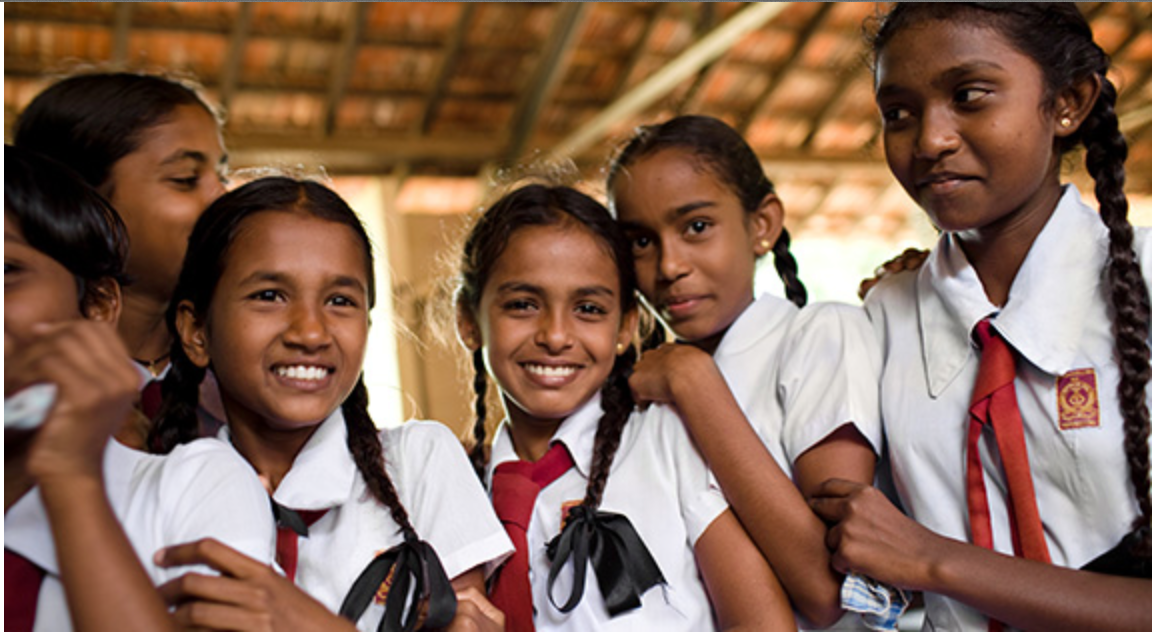
Sri Lanka’s global image is one of golden beaches and mist-covered tea estates. Yet in villages such as Kolobagama, the rhythms of daily life are shaped less by tourism and more by uncertainty. Many of the children who arrived that evening came from homes strained by poverty and instability. Some have fathers battling alcoholism, their earnings drained by addiction rather than directed towards food or schooling. Many mothers, willing but constrained by limited education, scarce childcare and a weak rural job market, struggle to find consistent employment.
The consequences are borne most heavily by the young. Poverty here is not theatrical; it is incremental. It is visible in inadequate nutrition, in children arriving without proper footwear, in preschools operating with minimal materials. It is evident in the quiet anxiety of caregivers calculating how to stretch daily wages across rising food prices. Early childhood, the critical window between two and five , shapes cognitive development, emotional resilience and long-term opportunity. When deprivation defines these formative years, inequality becomes entrenched before formal schooling even begins. Religious institutions such as the Kolobagama Temple often step into this breach, offering informal support networks and modest assistance. The monk’s humble service illustrates how moral leadership at community level can soften the harshest edges of poverty. But charity alone cannot dismantle structural disadvantage.
If these children are to inherit something more stable than struggle, action must be deliberate and sustained.
First, investment in early childhood education is essential. Rural preschools require trained teachers, structured learning programmes and safe facilities. Public and private partnerships can help channel resources into underserved districts.
Second, nutrition and health initiatives must be strengthened. Community-based meal programmes and regular health screenings can prevent the long-term damage of early malnutrition.
Third, support for mothers’ employment is critical. Vocational training, microfinance schemes, and cooperatives focused on agriculture, tailoring or food production can create income streams compatible with caregiving responsibilities. Accessible childcare facilities would allow women to participate in the workforce without compromising their children’s safety.
Fourth, addressing alcoholism and family instability requires targeted intervention.
Community counselling services, rehabilitation programmes and awareness campaigns can help reduce the social and economic toll of addiction. Engaging fathers in parenting education and support groups can gradually rebuild fractured family dynamics.
Finally, robust social protection systems, including cash-transfer programmes and rural employment guarantees, can provide families with a buffer against economic shocks.
Organisations such as UNICEF have long advocated for child- centred policy reform, but implementation must be local, sustained and shielded from political cycles.
Development cannot be measured solely by infrastructure projects or tourist arrivals. It must be measured in whether a four-year-old in Kolobagama has access to nutritious meals, a stimulating classroom and a stable home. It must be measured in whether her mother can earn with dignity and whether her father receives support to overcome destructive habits.
What remains most striking from that morning is the children’s unguarded optimism. Their laughter carried across temple grounds that have stood for centuries. Within those ancient walls, history felt less distant than immediate, a reminder that nations endure not because of monuments, but because of the generations that follow.
To uplift these children is not an act of benevolence. It is an investment in Sri Lanka’s social fabric and economic resilience. Beyond the postcard image of paradise lies a deeper responsibility, to ensure that the country’s youngest citizens inherit not merely heritage, but genuine possibility.