
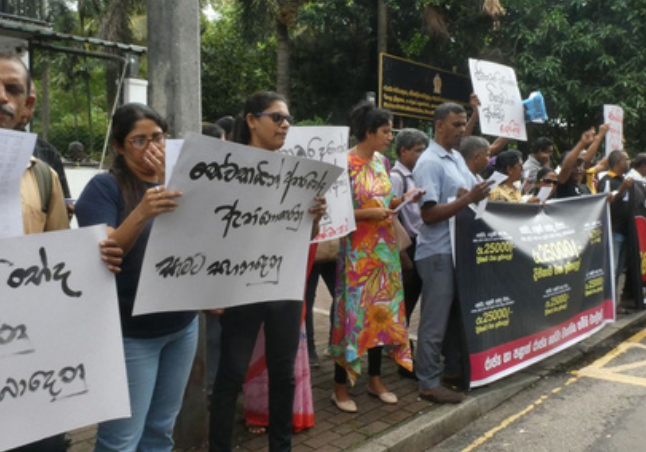
Sri Lanka’s public sector is experiencing renewed pressure as multiple stakeholders voice concerns over policy decisions and workplace conditions.
Customs officers have launched black armband protests over promotion delays, underscoring ongoing frustration among civil servants who feel overlooked in reform timelines. Railway trade unions have strongly opposed cuts to disaster loan benefits for employees — a stance that reflects broader anxieties within state institutions where benefit reforms run headlong into union sensitivities.
Meanwhile, economic and environmental accountability issues continue to surface. Substandard coal shipments have prompted the imposition of penalties exceeding US$2 million, a sharp reminder that energy sector procurement — and its management — remains a public policy focus. The Communist Party has publicly raised concerns over alleged “coal fraud,” intensifying scrutiny and inviting questions over supply chain integrity and oversight.
Taken together, these episodes paint a picture of a state grappling with internal reform fatigue and external pressure. The government’s attempt to modernise public services and tighten fiscal discipline is clashing with entrenched labour expectations and fears of eroding worker protections.
These conflicts are less about headline politics than about how reforms are sequenced, communicated and implemented — and whether stakeholder consultation is given genuine weight rather than being treated as token ritual.