
There’s more than sport and protests in the news cycle. Sri Lanka’s economic and regulatory environment is evolving in ways that may have long-term impact.
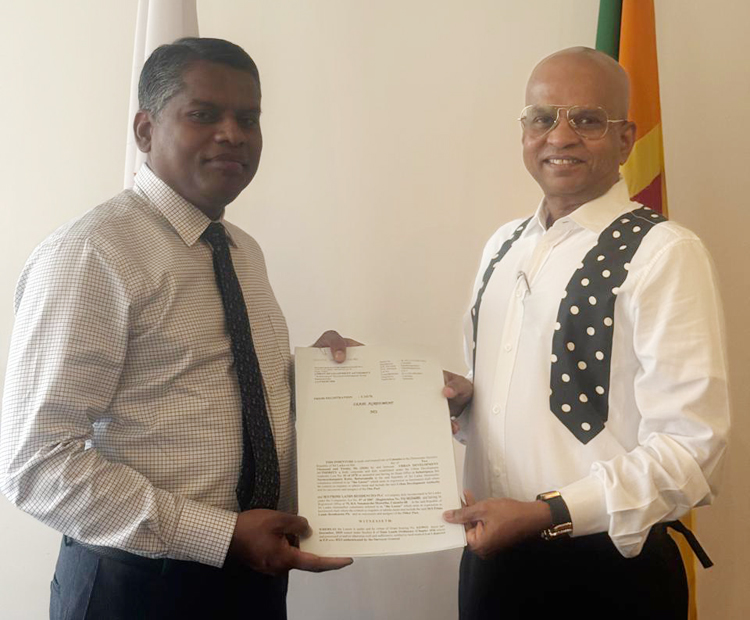
One under-reported but strategically significant development is in energy storage infrastructure. WindForce plc — a domestic renewable energy player — has won a competitive bid to install 120 MW of standalone battery storage facilities.
This project, under the Ceylon Electricity Board’s tender, marks the first international call for grid-scale battery energy storage systems in Sri Lanka.
If executed well, battery storage bolsters grid stability, enhances renewable integration and reduces dependence on imported fuels — a critical shift for energy security and climate commitments.
Alongside energy innovation, the government is also rolling out visa reforms aimed at attracting investors and digital nomads with investor and remote-work visa categories.
These visas are designed to make Sri Lanka a destination for long-term business engagement and global mobile talent — a step into the competitive race for knowledge- economy footfall.
These shifts underscore Sri Lanka’s pivot toward diversification: from tourism and traditional exports to knowledge economy integration and green infrastructure. In sum, a series of structural policy decisions — on housing, security regulation, energy storage and migration policy — reflect a government trying to build foundations for a more resilient economic future.