
When geopolitics shifts, the invoice follows.
Sri Lanka does not currently import crude directly from Iran due to sanctions constraints. But if conflict in the Gulf drives up the price of Brent-linked crude, the effect is identical. We pay the global price — not the passport of the barrel.
Let’s run the numbers.
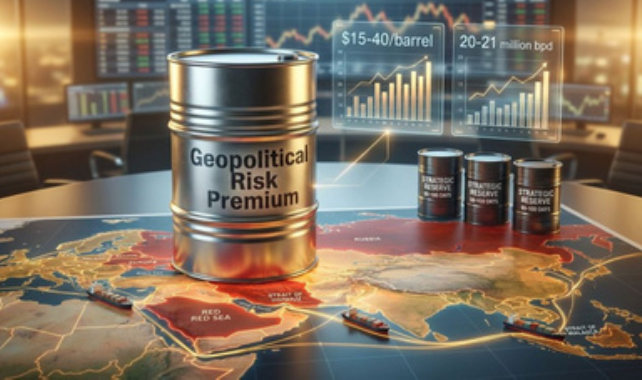
100,000 metric tonnes of crude oil equals roughly 730,000 barrels (depending on grade density). If geopolitical tension adds even $5–$10 per barrel in risk premium — which markets have already begun pricing in — Sri Lanka’s cost rises by:
• $3.6 million (at +$5 per barrel) • $7.3 million (at +$10 per barrel)
That is per cargo.
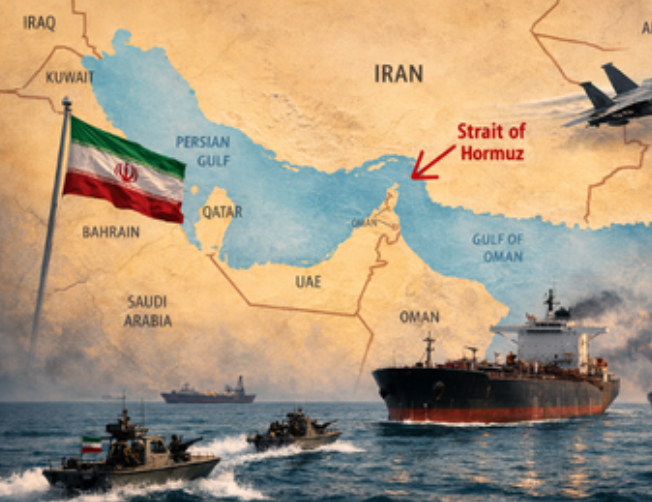
Now add freight increases and war-risk insurance premia for tankers transiting near the Strait of Hormuz.
Those costs can push total additional exposure closer to $8–$10 million per shipment in a high-volatility window.
For a country managing reserves carefully, this is not academic. It is balance-sheet reality.
WHERE WILL THE CRUDE COME FROM?
Sri Lanka typically sources crude via spot tenders and term contracts — historically from Oman, Saudi Arabia, the UAE, and occasionally other Middle Eastern grades, along with alternative blends compatible with Sapugaskanda refinery specifications.
If Gulf routes tighten or insurance spikes further, Colombo may look more aggressively toward:
• Omani and Saudi grades under secure term contracts
• West African crude (Nigeria, Angola) — though freight is higher
• Potentially Russian-origin barrels via intermediaries, depending on compliance and pricing dynamics
WHAT ABOUT LPG?
Sri Lanka’s LPG is largely sourced from regional suppliers including Oman, Qatar and sometimes spot cargoes from Asia. Any Hormuz disruption hits LPG pricing directly.
The Strait is open. But the meter is running.
And every dollar added per barrel is a dollar that must be paid — somewhere in the system.
Daily Life Amid Escalation…
Social media from within the UAE shows people continuing daily tasks, though with visible signs of wariness and preparedness — many sharing safety updates, sheltering in place during alerts, and communicating widely about official guidance.
Precautions & Public Messaging
Local authorities stress robust crisis response capabilities. Government assurances emphasise that security forces are actively monitoring threats and protecting residents.
In official statements and media posts, the focus remains on safety, situational awareness, and following directives from civil defence authorities.
At the same time, foreign government advisories — including from Canada and Australia — note that the situation is volatile and can deteriorate abruptly, recommending sheltering in place and preparation for rapid changes.
Daily life in Abu Dhabi, Dubai, Sharjah, Al Ain and other emirates continues with a blend of routine activity and conflict-related disruption:
• Schools moved online
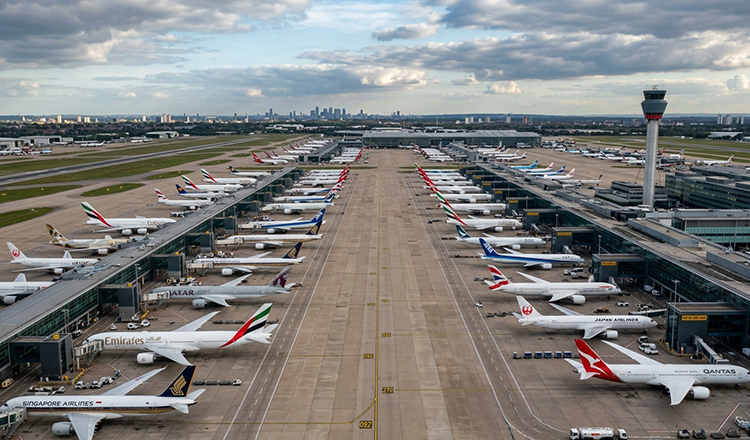
• Flights grounded or cancelled
• Public safety alerts ongoing
• People reported sheltering indoors during threats
• Essential services and commerce operating where safe
This isn’t normal — it’s controlled abnormality: a society adapting in real time to security risks, anchored by strong civil defence systems but visibly impacted by regional escalation.