
Fitch Ratings has indicated that Middle Eastern sovereign ratings generally possess enough resilience to endure a short-term regional conflict, provided it doesn’t escalate further. However, the potential trajectory of the conflict remains uncertain, with lasting damage to crucial energy infrastructure or extended hostilities posing possible risks to regional sovereign ratings.
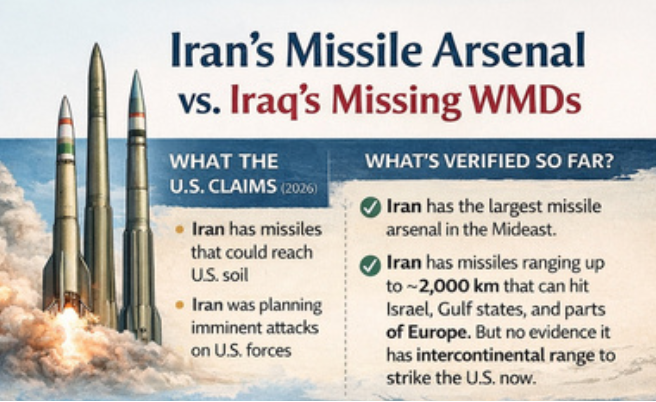
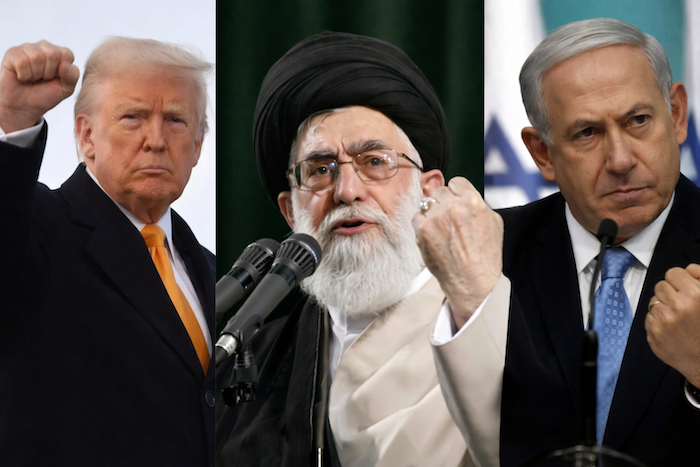
The recent attacks by Israel and the US on Iran on February 28 have already had a more significant impact than those in June 2025. According to Fitch’s baseline scenario, the conflict is expected to last less than a month. Factors influencing the duration include the destruction of Iran’s military capabilities and the US’s reluctance for a prolonged, more involved conflict. Iran and its proxies are likely to continue their attacks across the region, potentially intensifying in the near term.
Significant damage to the energy export infrastructure of the Gulf Cooperation Council (GCC) would be the most probable factor to pressure sovereign ratings. While there has been minor damage, this is not included in Fitch’s baseline scenario. The agency assumes that the Strait of Hormuz will be effectively closed during the conflict due to physical blockages, challenges in securing insurance for vessels, or other threat-related factors. Over 20 million barrels per day of crude and refined products, along with considerable LNG flows, pass through Hormuz.
Saudi Arabia and the UAE have pipelines that can reroute much of their production to bypass the Strait, and all major oil exporters maintain oil reserves outside the region. Nonetheless, there is likely to be a short-term impact on oil and gas activities, especially for Bahrain, Kuwait, Qatar—nations without alternative supply routes—and Iraq, which heavily depends on the route. Elevated energy prices could mitigate the impact of a brief disruption on export earnings, to the extent that shipments continue.
The conflict is expected to have immediate effects on non-oil economic activities. A significant portion of regional air travel has been suspended, consumer activity has likely declined, and risk perceptions might have a lasting effect on tourism. Fitch anticipates that the impact on economic growth will be temporary, though there might be longer-term repercussions for parts of the region aiming to serve as hubs for international businesses and expatriates. An expatriate exodus could exert pressure on certain GCC housing markets.
Most GCC sovereigns possess substantial assets that can serve as a buffer against short-term disruptions in energy revenue. Additionally, since non-energy sectors are minimally taxed, their disruption would only minimally affect public finances. Geopolitical risks are partially reflected in the ratings of most regional sovereigns through the World Bank Governance Indicators. Furthermore, Fitch applies negative qualitative overlay notches to its Sovereign Rating Model (SRM) outputs for Abu Dhabi and the UAE, partly to account for geopolitical risk, thus providing additional rating headroom.
Israel’s governance indicators already consider some exceptional direct security risks. The hostile external environment is a factor contributing to a negative notch applied to Israel’s SRM outcome. Nevertheless, geopolitical or security events that significantly impact the economy or public finances pose a rating sensitivity. An extended regional conflict, particularly one involving major reservist mobilization, could lead to a downgrade, considering Israel’s limited headroom at its ‘A’ rating. This is reflected in the Negative Outlook on the rating.
Fitch’s base case remains subject to considerable uncertainty. A more extended disruption to energy exports than anticipated could have severe negative consequences for sovereign credit profiles in the region. The long-term orientation and stability of Iran’s government, alongside implications for regional security, remain uncertain and could influence ratings either negatively or positively.